
Provocative anti-Hindu slogans raised at Akhilesh rally
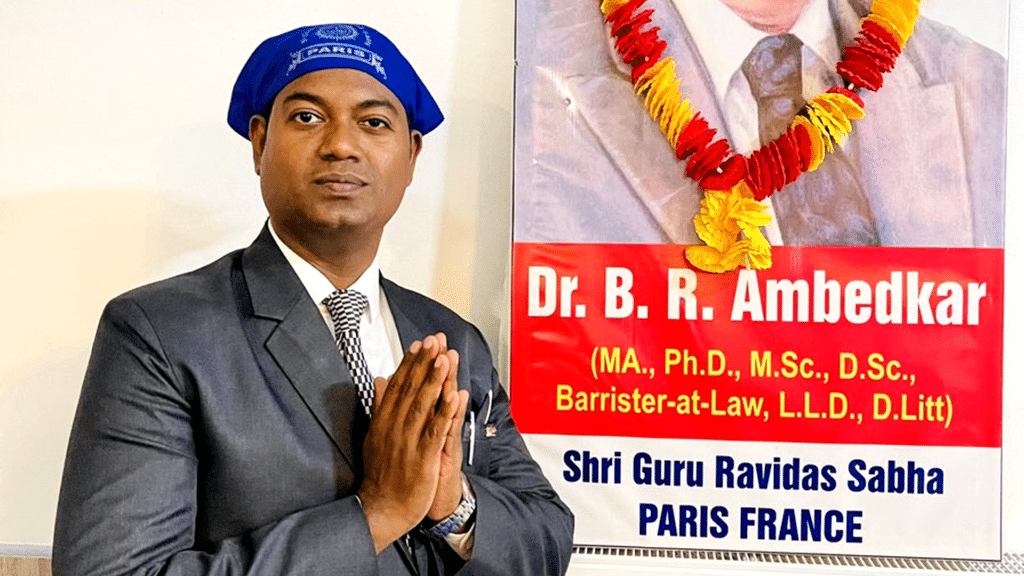
A rally led by Akhilesh Yadav in Uttar Pradesh drew significant attention after sections of the crowd raised a slogan that intensified the ongoing election campaign. The chant “When Ambedkar and Akhilesh come together, the ‘sadhu’s disguise’ will be exposed” appeared aimed at sending a pointed message to political opponents. During the same period, Rajratna Ambedkar, a great-grandnephew of B. R. Ambedkar, publicly expressed his support for Akhilesh Yadav ahead of the state polls. He stated that a coming together of their ideologies would help reveal the “truth” about their rivals, adding a sharper edge to the political discourse. The development comes at a time when alliances and messaging are crucial in Uttar Pradesh’s political landscape. Invoking Ambedkar’s legacy alongside strong rhetoric is seen as an attempt to mobilize specific voter groups while clearly positioning against opponents. Political analysts note that such slogans and statements can energize party workers and shape public perception of the elections. However, they may also contribute to increased polarization, particularly in a politically sensitive state like Uttar Pradesh. As campaigning intensifies, attention is likely to remain on how leaders and their supporters frame their narratives and how these messages resonate with voters across the state.
PSL match disrupted as strong winds in Lahore rip off covers, ground staff struggle

A powerful storm struck Lahore, causing major disruption to the Pakistan Super League (PSL) 2026 and forcing officials to abandon a match due to unsafe conditions. The strong winds made it impossible to continue play, prioritizing the safety of players and staff. At the Gaddafi Stadium, the gusts were so intense that they blew away the protective covers on the field and created hazardous conditions across the ground. A groundsman was also seen struggling to keep his balance as the wind intensified. Match officials had no choice but to stop the game to prevent any risk of injury. Fans who had gathered to watch the match were left disappointed as the storm made play impossible, with poor visibility and unstable ground conditions adding to the disruption. The incident has sparked discussions about the preparedness of cricket venues in Pakistan to handle extreme weather. Given that the PSL is held during a time when weather conditions can be unpredictable, questions are being raised about the existence and effectiveness of contingency plans. Going forward, tournament organizers are expected to reassess safety measures and improve infrastructure to better manage such situations. The abandoned match serves as a reminder of how quickly weather can impact even major sporting events like the PSL.
“If you want to become a homemaker, we will help you achieve”: Rahul Gandhi

At a gathering, Rahul Gandhi said that individuals who choose to be homemakers should receive full support in their decision, emphasizing that people must have the freedom to decide their own life paths. He stressed that personal choices, whether pursuing a career or focusing on managing a household should be respected without interference. Gandhi further noted that everyone should be able to choose their path freely, adding that all forms of work deserve equal respect and recognition. His remarks highlighted the importance of valuing both professional careers and domestic responsibilities, reinforcing the idea that every role contributes meaningfully to society. The comments have sparked discussion, with supporters appreciating the emphasis on personal freedom and equality of choice. Others have engaged in debate over the phrasing and interpretation of his statement. Overall, Gandhi’s message centers on empowering individuals to make their own decisions and ensuring that all life choices are treated with dignity and respect.
Rethinking Guwahati’s Relationship with Rain
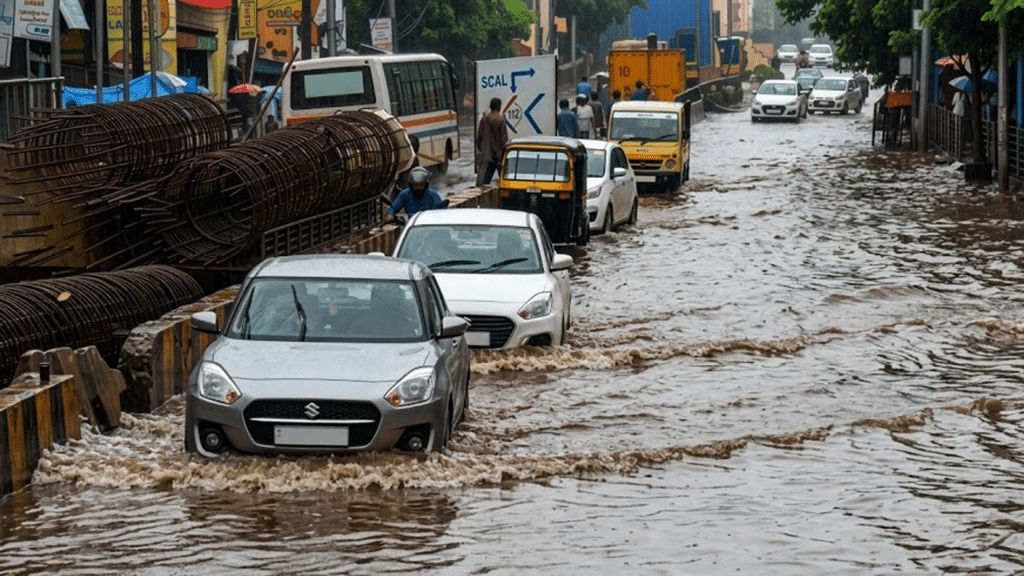
As a native resident of Guwahati since birth, a question that has often plagued me is why have we become so inefficient at managing urban flooding? Urban flooding has emerged as one of the most pressing challenges confronting rapidly growing cities across the globe. With climate change intensifying rainfall patterns and urbanization accelerating at an unprecedented pace, cities are increasingly struggling to cope with excess water. Guwahati is no stranger to this modern-day global problem. In fact, it is at the forefront, seeing one of the worst cases of urban flooding regularly. What was once considered a seasonal inconvenience has now evolved into a recurring crisis, disrupting lives, damaging infrastructure, and exposing deep flaws in urban planning. Against this backdrop, it becomes crucial to examine innovative and sustainable models that cities worldwide are adopting to mitigate flooding and build resilience. Several forward-thinking approaches have gained prominence in recent years, offering valuable lessons for cities like Guwahati. One such concept that has garnered significant attention is that of Sponge Cities. Developed and implemented in China, this model is rooted in a simple yet powerful observation: modern cities, dominated by concrete and asphalt, are largely impermeable. Rainwater that would naturally seep into the ground instead accumulates on the surface, overwhelming drainage systems and leading to flooding. To address this, the sponge city approach seeks to restore the natural absorption capacity of urban landscapes. This is achieved by transforming underutilized or degraded land into functional green spaces planted with vegetation specifically chosen for its water-absorbing properties. These spaces are not merely aesthetic additions; they are designed as active hydrological systems that capture, store, and gradually release rainwater. In doing so, they reduce surface runoff, recharge groundwater, and even help regulate urban temperatures. The relevance of this concept to Guwahati cannot be overstated. While the city has witnessed a welcome increase in the development of parks and recreational spaces, these have largely been designed with aesthetics in mind rather than functionality. The idea of parks as “Rain Gardens” has not yet been fully realized. With better scientific planning, these green spaces could be transformed into crucial components of the city’s flood management strategy, acting as natural sponges that absorb excess water during heavy rainfall. Closely linked to this issue is the broader and deeply entrenched problem of Unplanned development. Urban expansion, driven by population growth and economic pressures, often takes place without adequate regard for environmental considerations. Wetlands are filled, natural drainage channels are obstructed, and open spaces are rapidly converted into built-up areas. While the demand for housing and infrastructure is undeniable, it is equally important to recognize that not every available piece of land should be developed. Cities must strike a balance between growth and sustainability, ensuring that critical ecological spaces are preserved. The consequences of ignoring this balance are evident in the increasing frequency and severity of urban flooding. When natural water pathways are disrupted, rainwater has nowhere to go, leading to waterlogging even after relatively moderate rainfall. Therefore, addressing unplanned development is not merely a matter of policy but a necessity for long-term urban resilience. Another practical and widely advocated solution is Mandatory Rainwater Harvesting. Rainwater harvesting systems, when properly designed and maintained, can significantly reduce the burden on urban drainage systems. By capturing rainwater at the source—rooftops and open spaces—and directing it into storage tanks or recharge pits, cities can prevent large volumes of water from accumulating on streets. The Assam Government has already demonstrated its willingness to adopt progressive policies by mandating solar power in new buildings. Extending this approach to include compulsory rainwater harvesting would be a logical and impactful next step. In particular, the inclusion of “Recharge Pits” in building designs could play a crucial role in replenishing groundwater levels, which are often depleted in urban areas. However, for the numerous suggested measures to be effective, one must go beyond mere compliance. Systems need to be properly engineered, regularly maintained, and integrated into a broader urban water management framework. Without this, there is a risk that rainwater harvesting becomes a token gesture rather than a meaningful solution. In addition to decentralized solutions at the building level, there is also a need to rethink large-scale infrastructure. The Conversion of Non-scientific Canals into Green Spaces represents a transformative approach in this regard. Traditional concrete canals, while effective at channeling water, do little to mitigate flooding. They merely transport water from one location to another, often at high speeds, which can exacerbate downstream flooding. In contrast, naturalized waterways and green corridors offer a more sustainable alternative. By replacing rigid concrete channels with vegetated riverbanks and open floodplains, cities can slow down water flow, increase infiltration, and create multifunctional spaces that serve both ecological and recreational purposes. The experience of cities like Singapore demonstrates that such transformations are not only feasible but also economically viable in the long run, as they reduce maintenance costs and enhance urban livability. Another innovative approach that deserves attention is the development of Urban Rooftop Farms. These systems combine agriculture with water management, turning otherwise unused rooftop spaces into productive and environmentally beneficial areas. When integrated with rainwater harvesting mechanisms, rooftop farms can capture and utilize rainwater effectively, reducing runoff and easing pressure on drainage systems. Moreover, rooftop vegetation helps in lowering ambient temperatures, thereby mitigating the urban heat island effect—a phenomenon where cities become significantly warmer than their surrounding areas due to human activities and built environments. By promoting such initiatives, governments can address multiple challenges simultaneously, including flooding, food security, and climate adaptation. India, particularly states like Rajasthan, has a long history of water conservation practices that can inform modern solutions. This brings us to the concept of Stepwells, which have re-emerged as a subject of interest in contemporary urban design. Traditionally used for water storage and groundwater recharge, stepwells are architectural marvels that combine functionality with cultural significance. Incorporating stepwell-inspired structures into modern urban landscapes could offer a unique solution to flooding. These structures can act as localized water storage systems, capturing excess rainwater and allowing it to percolate
April Fool’s Day: Tracing the Origins of a Global Tradition

Every year on April 1, the world collectively loosens its grip on seriousness. Newsrooms double-check stories twice over, friends eye each other suspiciously and even the most stoic individuals brace for harmless deception. April Fool’s Day, a curious blend of humour, creativity and mischief, has evolved into a global celebration of pranks. But beyond the laughter and lighthearted chaos lies a deeper cultural story, one that reflects how societies use humour to cope, connect and occasionally critique. Origins and Evolution of a Global Tradition The origins of April Fool’s Day remain uncertain, adding to its mystique. Historians often trace its roots to 16th-century Europe, particularly to France, where the shift from the Julian calendar to the Gregorian calendar in 1582 altered the start of the new year from late March to January 1. Those who continued to celebrate the new year around April 1, either out of habit or resistance to change, became targets of ridicule and were dubbed “April fools.” While this explanation is widely cited, other theories point to ancient Roman festivals like Hilaria or the medieval Feast of Fools, both of which involved role reversals, mockery and playful deception. Regardless of its precise origin, the spirit of the day has remained consistent: to embrace humour, often at the expense of momentary confusion. What distinguishes April Fool’s Day from other festive occasions is its reliance on wit. A successful prank is not merely about tricking someone; it is about doing so with creativity and, ideally, without causing harm. From simple tricks like swapping sugar with salt to elaborate hoaxes staged by corporations, the spectrum of pranks is vast. Over time, institutions have joined in the fun, blurring the line between reality and fiction. Media outlets, in particular, have a long history of publishing convincing but fictional stories on April 1. One of the most famous examples remains the 1957 BBC broadcast about spaghetti trees in Switzerland, which left viewers both amused and bewildered. Pranks in the Modern World: Creativity and Responsibility In the digital age, April Fool’s Day has taken on new dimensions. Social media platforms amplify pranks instantly, allowing them to reach millions within minutes. Technology companies often unveil fake products or features, complete with polished promotional campaigns. These modern pranks reflect not only creativity but also an understanding of audience psychology. A good April Fool’s joke today must be believable enough to momentarily deceive, yet absurd enough to be recognized as humour once revealed. However, this rapid dissemination also introduces challenges. What begins as a harmless joke can quickly spiral into misinformation if not clearly identified as satire. The ethics of April Fool’s Day have increasingly come under scrutiny. In an era marked by concerns about fake news and digital manipulation, the line between a joke and deception has grown thinner. A prank that might have been amusing in a close-knit setting can have unintended consequences when shared online. This has led many to advocate for a more responsible approach to April Fool’s humour, one that prioritizes consent, sensitivity and clarity. After all, humour loses its charm when it causes genuine distress or confusion. At its best, April Fool’s Day serves as a reminder of the human capacity for playfulness. In a world often dominated by deadlines, responsibilities and anxieties, the day offers a brief respite. It encourages people to step outside their routines, to laugh at themselves and to appreciate the lighter side of life. Psychologists have long emphasized the importance of humour as a coping mechanism. Laughter, even when prompted by a simple prank, can reduce stress, strengthen social bonds and foster a sense of community. The day also highlights the role of trust in relationships. A well-executed prank relies on a temporary suspension of disbelief, often built on the trust between individuals. Friends and family members become willing participants in a shared moment of amusement. Yet, this very reliance on trust underscores the importance of boundaries. The dignity of the person being fooled is respected in the most memorable pranks, ensuring that the laughter is mutual rather than one-sided. Culture, Commentary and the Enduring Appeal of Laughter Interestingly, April Fool’s Day is not universally celebrated in the same way. Cultural variations influence how the day is observed. In some countries, pranks are confined strictly to the morning, after which the joker risks being labelled the fool. In others, the celebration extends throughout the day, with increasing levels of creativity and participation. These differences reflect broader cultural attitudes toward humour, authority and social norms. Beyond individual pranks, April Fool’s Day has occasionally been used as a tool for commentary. Satirical announcements or exaggerated claims can draw attention to real-world issues, using humour as a vehicle for critique. In this sense, the day aligns with a long tradition of satire, where laughter becomes a means of questioning authority and highlighting absurdities. When done thoughtfully, such pranks can provoke reflection as much as amusement. The commercialisation of April Fool’s Day is another noteworthy development. Brands and companies invest significant resources into crafting elaborate pranks, often as part of marketing strategies. These campaigns aim to engage audiences, generate buzz and enhance brand visibility. While some succeed in capturing public imagination, others face backlash if perceived as misleading or insensitive. This dynamic underscores the delicate balance between creativity and responsibility in modern communication. For individuals, the essence of April Fool’s Day lies in participation rather than perfection. Not every prank needs to be grand or sophisticated. Sometimes, the simplest jokes leave the most lasting impressions. A cleverly worded message, a playful exaggeration, or a harmless surprise can bring genuine joy. The key lies in understanding the audience and ensuring that the humour resonates positively. As the day unfolds each year, it also serves as a subtle reminder about perception and belief. The ease with which people can be momentarily deceived highlights the importance of critical thinking. In a broader sense, April Fool’s Day mirrors the complexities of information in contemporary society, where distinguishing fact from fiction requires
“Roti for s*xual favours”: Pak cleric exposes Kashmir insurgency

The Kashmir conflict has persisted for decades and the suffering of those living in the region remains deeply distressing. Pakistani cleric Mufti Saeed Khan has recently sparked debate by alleging that certain groups are exploiting women who have been displaced from their homes. According to him, these women are being coerced into undesirable acts in exchange for basic necessities such as food and other essential support. Mufti Saeed Khan, a prominent Islamic scholar in Pakistan, made these remarks during a talk titled “Kashmir and our hypocrisy.” He described the situation faced by women and girls as alarming and deeply troubling, suggesting that many are being deprived of dignity simply to survive, sometimes receiving only minimal food in return. His statements have triggered widespread discussion across media platforms. Some observers argue that these claims challenge the image of the groups involved in the conflict, suggesting that vulnerable women and girls may be subjected to exploitation under difficult circumstances. The Indian government has long maintained that such groups are responsible for various abuses in the region. In light of these remarks, some analysts believe it may become more difficult for Pakistan to continue presenting these groups purely as resistance movements. Reports of mistreatment of women in Kashmir have surfaced over the years, highlighting the complexity and gravity of the issue. Civilians, particularly women, continue to bear the heaviest burden in the ongoing conflict. While the claims made by Mufti Saeed Khan are sensitive and difficult to independently verify, they have nonetheless drawn attention to the broader humanitarian concerns in the region. The Kashmir issue remains a deeply significant and emotional matter for both India and Pakistan. The discussion around these remarks is likely to continue, reflecting the long-standing and unresolved nature of the conflict. There remains a pressing need for dialogue and efforts aimed at improving the lives of those affected by the situation in Kashmir.