
Man ties 5-year-old girl to railing for plucking guava

A troubling incident has been reported from Bahdala village in Himachal Pradesh’s Una district, where a retired Army man allegedly tied a 5–year-old girl to a staircase railing after she picked guavas from his tree. The act was recorded on video and widely shared on social media, prompting strong reactions from the public. A Merchant Navy officer who witnessed the situation stepped in and freed the child. Following the incident, police registered a case and have launched an investigation to determine the facts. The accused has since issued an apology after the video went viral. The case has raised serious concerns about the treatment of children and the disproportionate response to minor disputes, with many calling for strict action as the investigation continues.
Malda police nab mob behind assault on judicial officers

Police in Malda, West Bengal, have arrested several individuals in connection with the April 1 attack on seven officers engaged in the voter list revision process. The officers were reportedly surrounded and assaulted while on duty. The incident drew strong condemnation from the Supreme Court, which described it as an attack on the justice system. Following the incident, Malda Police launched a major operation to identify and apprehend those involved. During the crackdown, alleged mastermind advocate Mofakkerul Islam was arrested while attempting to flee. Given the seriousness of the case, the National Investigation Agency (NIA) has also initiated an inquiry. Authorities said efforts are ongoing to identify and detain others linked to the attack. Visuals from the operation show police escorting the accused amid tense scenes, with some family members attempting to intervene during the arrests. Officials said further action will follow as the investigation continues.
Assam woman shares video allegedly cooking ‘cow meat’
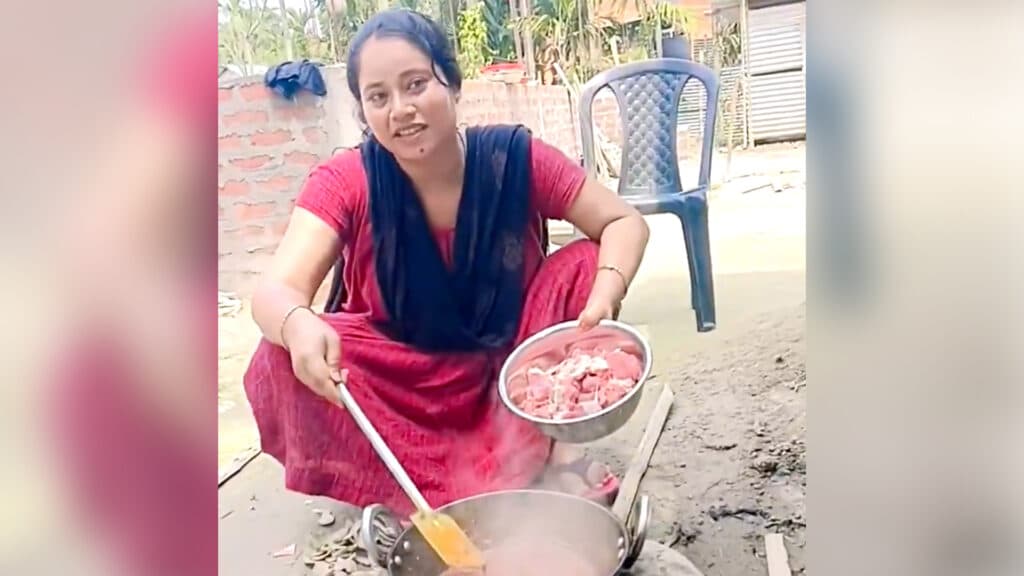
A controversy has emerged in Chhaygaon in Assam’s Kamrup district after a Facebook video posted by Abeda Begum allegedly showed her cooking cow meat. The clip has drawn public concern, with calls for action under the Assam Cattle Preservation Act, 2021, which governs the protection and regulation of cattle in the state. Authorities have taken note of the video and initiated an inquiry to verify its authenticity. The state enforces strict rules on cattle protection, and further action will depend on the outcome of the investigation. Details are still awaited as the matter is being examined.
Vipin Raj accused of indecent remarks on Ram, Sita, Hanuman

In Mau district of Uttar Pradesh, a man identified as Vipin Raj from Dharmpur Bishnupur village in Madhuban tehsil has come under the scanner after videos surfaced on social media allegedly showing him making objectionable remarks about Lord Ram, Mother Sita and Hanuman Ji. The videos have drawn sharp reactions, with several Hindu organizations condemning the alleged statements and demanding action. Some groups have urged the authorities to intervene, warning that such incidents could disturb communal harmony if not addressed promptly. Mau Police have initiated an inquiry into the matter. The Station In-charge of Madhuban Police Station has been directed to conduct a detailed investigation and take appropriate legal steps based on the findings. Officials are closely monitoring the situation as calls for action against Vipin Raj continue to grow.
Pak local claim ₹378 per litre fuel makes them richer than India

A street interview from Pakistan has gone viral. In the video, locals claim that because petrol costs 378 PKR per litre in Pakistan, the country is richer than India, where fuel is priced at around ₹100 per litre. However, experts say this comparison is misleading. Simply looking at fuel prices in two different countries does not indicate which economy is stronger. When currency values are taken into account, Pakistan’s fuel price is only slightly higher than India’s. Economists also stress that higher prices do not equate to greater wealth. A country’s economic strength is better measured through factors such as income levels, cost of living, inflation, and purchasing power. The argument highlights a common misconception—assuming that higher prices reflect a stronger economy. In reality, a broader view of multiple economic indicators is needed to understand which country is more prosperous.
US-Israel strikes hit Tehran’s Mehrabad Airport & Sharif University
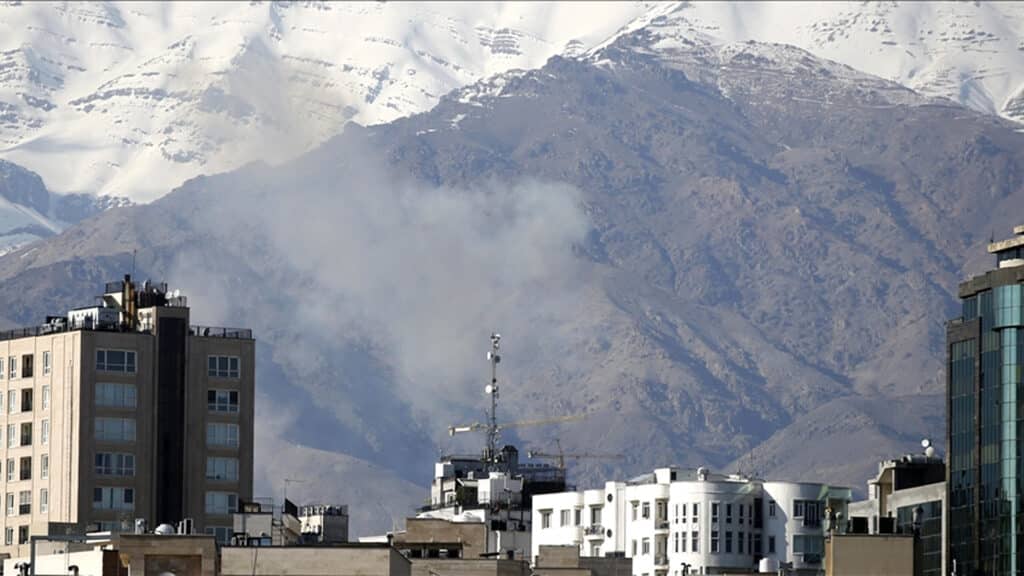
Tehran came under heavy bombardment on Monday night, with reported US-Israeli airstrikes striking areas near Mehrabad International Airport and parts of Sharif University of Technology, according to Iranian media and multiple reports. Large plumes of smoke were seen rising over the city, while explosions were reported across several areas. The strikes are said to have caused damage at Sharif University—one of Iran’s leading academic institutions along with nearby buildings, where gas related disruptions caused panic among residents. Mehrabad Airport had also been targeted earlier, with reports of fires and aircraft damaged in the blasts. The developments mark a further escalation in the conflict, as Iran is also reported to have launched missile attacks toward Israel in response. In recent days, multiple sites across Tehran, including facilities linked to research activities, have reportedly been hit, heightening concerns among civilians. The situation remains fluid, with continued exchanges fueling fears of a wider regional conflict.
How Prime Minister Narendra Modi Rewired India’s Toy Industry
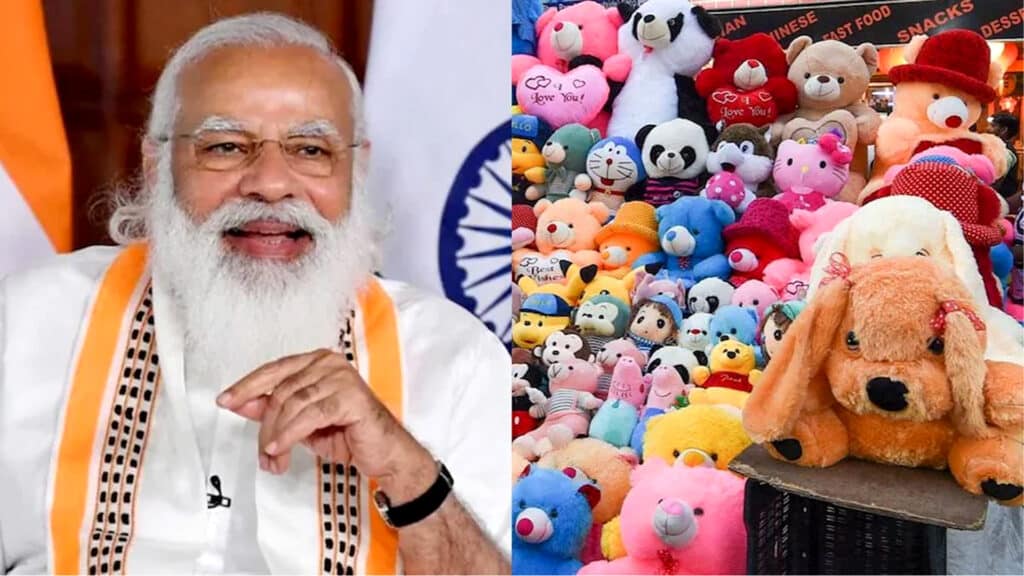
There was a time, not too long ago, when the average Indian toy box reflected a quiet yet unmistakable dependence on imports. Plastic cars stamped “Made in China” and battery-operated dolls with unfamiliar accents dominated markets across urban and rural India. Puzzles and board games imported in bulk formed a large part of childhood experiences across the country. Despite a rich legacy of craftsmanship and storytelling, India had gradually slipped into the role of a passive consumer in a global toy economy dominated by a handful of manufacturing giants. For decades, the imbalance went largely unquestioned. Imported toys were cheaper, widely available and often perceived as superior in quality. Domestic manufacturing struggled to keep pace with mass production capabilities abroad. The result was a market where Indian producers operated at the margins, while foreign products occupied shelves across the country. That story, however, has changed significantly over the past decade. Under Prime Minister Narendra Modi, India’s toy industry has undergone a transformation that policymakers now cite as a model for sectoral revival. What was once an import-heavy market has steadily moved toward domestic manufacturing and, increasingly, exports. The shift has not been incidental or organic. It has been deliberate—driven by policy interventions, regulatory changes and a broader reimagining of how even a seemingly small sector can contribute to national economic priorities. From Import Dependence to Policy Intervention Until the late 2010s, India’s toy market remained overwhelmingly dependent on imports. Industry estimates suggested that nearly 80–90% of toys sold in the country were sourced from abroad, with China accounting for the majority share. These products dominated not only urban retail chains but also small local markets, making them accessible across income groups. In fact, India’s toy imports stood at approximately $371 million in FY2018–19, reflecting the scale of dependence on foreign manufacturers. By contrast, exports during the same period were significantly lower, highlighting the imbalance in trade. Domestic manufacturers, in contrast, faced structural disadvantages. The sector was highly fragmented, with a large number of small and unorganised units operating without scale or standardisation. Many lacked access to modern machinery, quality testing facilities and efficient supply chains. As a result, competing with low-cost imports became increasingly difficult. Traditional toy makers, who had once thrived on regional crafts and local demand, were among the hardest hit. Artisans producing wooden, clay, or cloth-based toys saw declining sales as consumers shifted toward mass-produced plastic alternatives. Over time, several of these crafts risked fading into obscurity. The turning point came when the government began to treat the toy sector as more than just a peripheral industry. A series of policy interventions were introduced with the aim of reducing import dependence and strengthening domestic manufacturing. Import duties on toys were increased, making foreign products less competitive in the Indian market. At the same time, stricter quality control norms were enforced through the Bureau of Indian Standards, ensuring that only certified products could be sold. These measures had a dual effect. They curtailed the influx of low-quality imports while simultaneously encouraging domestic manufacturers to improve standards. By raising the entry barrier for foreign products, the government created space for Indian producers to expand their presence. Manufacturing Growth and Cultural Reclaiming As policy measures began to take effect, domestic manufacturing witnessed a gradual but steady revival. Production units expanded, new players entered the market and existing manufacturers scaled up operations. States such as Karnataka, Tamil Nadu, Uttar Pradesh, and Gujarat emerged as key hubs for toy production. The establishment of dedicated toy parks further accelerated this growth. Facilities in regions like Koppal and Greater Noida provided infrastructure support, including manufacturing units, testing laboratories and logistics networks. These clusters enabled manufacturers to operate more efficiently and competitively. Small and medium enterprises played a crucial role in this transformation. With improved access to credit and clearer regulatory frameworks, many SMEs were able to expand production and explore new markets. The shift also encouraged innovation, as manufacturers began experimenting with designs, materials and production techniques. Global companies, too, started taking note of India’s evolving toy ecosystem. Some shifted parts of their manufacturing operations to India, attracted by policy incentives and a growing domestic market. This contributed to the development of a more integrated supply chain, further strengthening the sector. At the same time, the transformation was not limited to industrial growth. There was a parallel effort to revive traditional toy-making practices rooted in Indian culture. The focus shifted toward promoting toys that reflect Indian history, mythology, science, and everyday life. This approach aimed to differentiate Indian products in both domestic and international markets. Campaigns promoting local products encouraged consumers to support indigenous brands. Traditional crafts such as Channapatna wooden toys from Karnataka, Kondapalli figurines from Andhra Pradesh and Etikoppaka lacquerware received renewed attention. Artisans were provided with training, financial support and access to digital platforms, enabling them to reach wider markets. This cultural dimension added depth to the industry’s transformation. Toys were no longer seen merely as consumer goods but as carriers of heritage and identity. The revival of traditional crafts not only preserved cultural practices but also created new economic opportunities for artisan communities. Rise of Exports and Integration with Education One of the most notable outcomes of this transformation has been the rise in toy exports. As domestic manufacturing improved in quality and scale, Indian toys began finding acceptance in international markets. India’s toy exports rose sharply from around $109 million in FY 2014–15 to over $326 million in FY 2022–23, marking a growth of nearly 200% over less than a decade. At the same time, imports declined drastically from $332.55 million in FY 2014–15 to nearly $110 million in FY2022–23, indicating a substantial reduction in dependence on foreign products. This shift represents a dramatic reversal in trade dynamics, with India moving from being a net importer to increasingly becoming a competitive exporter in certain toy segments. Exports grew steadily, even as imports declined, indicating a structural shift in the industry’s orientation. Indian manufacturers started catering to global demand
BJP’s Behala Paschim candidate Indranil Khan’s office vandalised
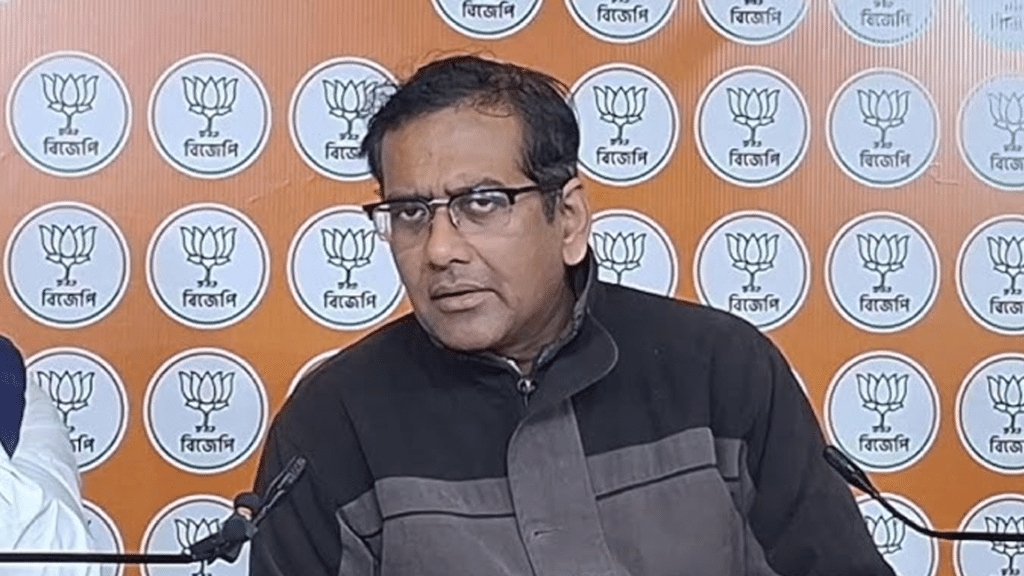
Tensions have escalated in West Bengal following the vandalism of the election office of Indranil Khan, a leader of the Bharatiya Janata Party and the party’s candidate from Behala Paschim. The party has filed a formal complaint, alleging that workers of the All India Trinamool Congress were involved in the incident. According to BJP, the attack resulted in damage to their campaign office. They have described the incident as a threat to democratic values and political freedom in Bengal. Indranil Khan has approached authorities seeking strict action against those responsible. Party representatives also claimed that such incidents are part of a broader pattern aimed at intimidating their workers and disrupting their campaign activities in Bengal. The development has further heightened the political atmosphere in Bengal, with both parties expected to respond in the coming days. While the BJP has strongly condemned the incident, there has been no official response from the Trinamool Congress so far.