
“If your father has courage, make me say Vande Mataram”: Cong councillor
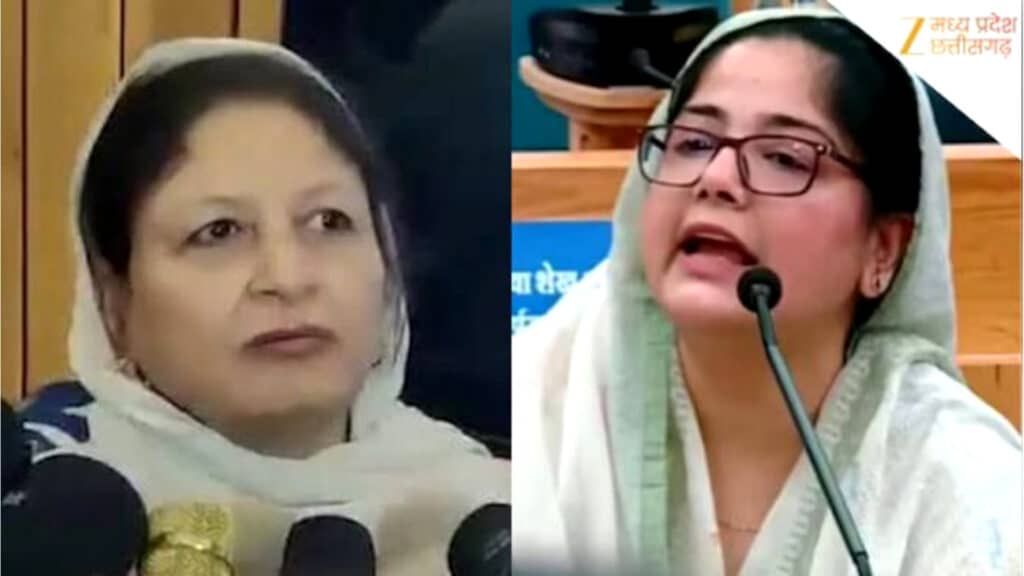
A heated exchange unfolded during a meeting of the Indore Municipal Corporation after a Congress councillor made a provocative statement while refusing to say “Vande Mataram.” The remark, delivered in the middle of a confrontation, quickly escalated tensions inside the House. BJP councillors strongly objected to the refusal, insisting that “Vande Mataram” should be respected in official proceedings. The situation soon turned into a verbal clash between members of the two parties, disrupting the session and forcing interruptions. The incident has since drawn wider attention, with political voices weighing in on the issue. While some defended the councillor’s stance as a matter of personal belief, others criticized the language used and questioned its appropriateness in a civic setting. The episode has added to the ongoing political friction, highlighting the recurring debate over nationalism, individual beliefs, and conduct within public institutions.
“Our ancestors were troubled, we will ‘finish’ them”: Bihar leader Bablu Kumar
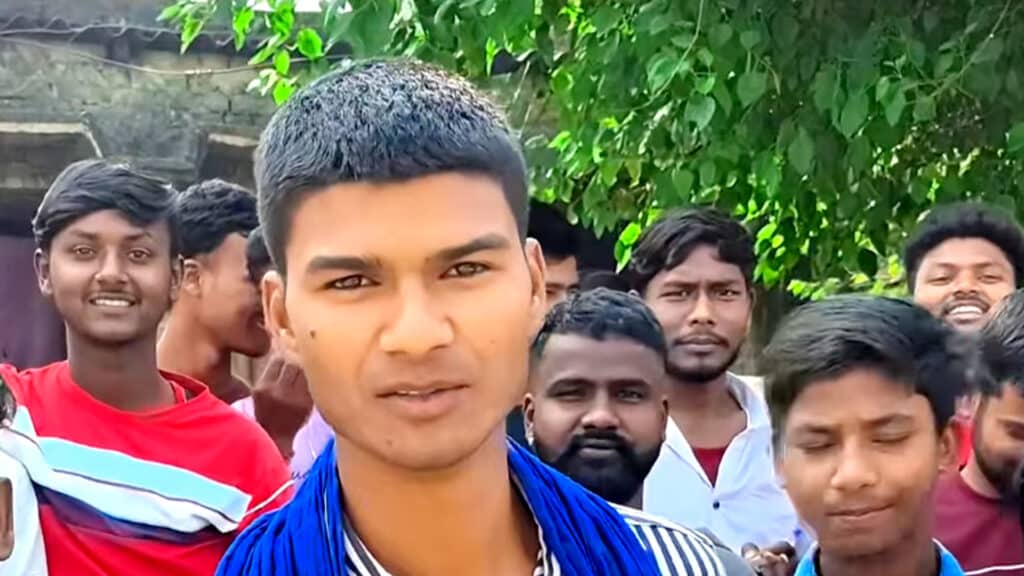
A controversy has emerged after a statement attributed to Bihar-based leader Soshit Vanchit Bablu Kumar began circulating widely, in which he is heard saying, “Our ancestors were troubled by Brahmins, so we are going to ‘finish’ them… Jai Bhim.” The remark, invoking historical grievances, has drawn attention in political and social circles. The statement has triggered strong reactions, with critics condemning the language as inflammatory and questioning its implications. Some have raised concerns over the tone of political discourse and the potential impact such rhetoric may have on social harmony. Supporters and commentators, meanwhile, have pointed to the historical context referenced in the statement, arguing that it reflects longstanding grievances among marginalized communities. The differing responses have led to a wider discussion on how history, identity, and politics intersect in contemporary public discourse. As the clip continues to circulate, the episode has added to ongoing debates around political speech, responsibility, and the boundaries of acceptable rhetoric in a diverse society.
“Quran forbids Vande Mataram”: Congress’s Rubina Iqbal
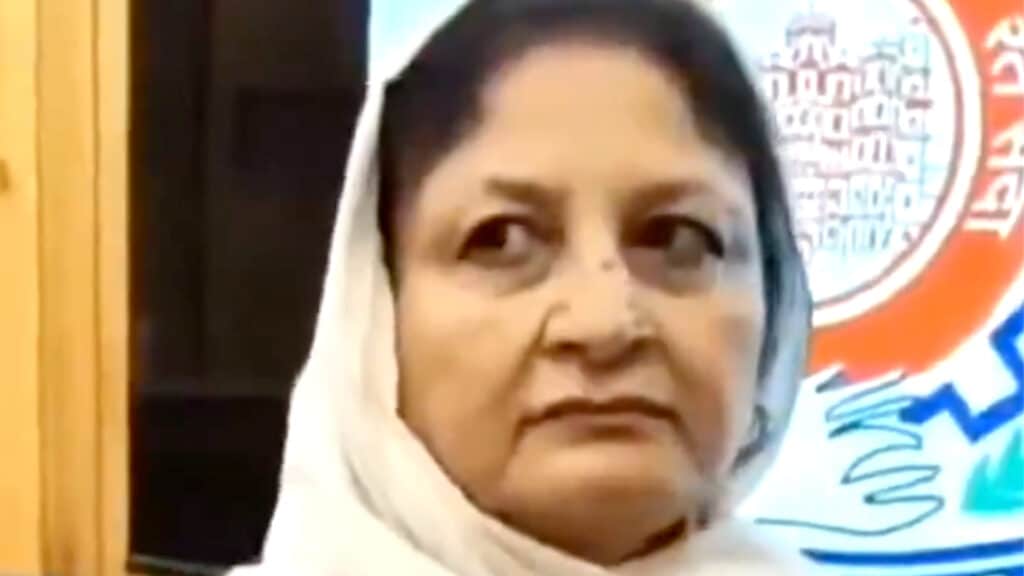
A heated confrontation broke out during a meeting of the Indore Municipal Corporation after Congress councillor Rubina Iqbal declined to sing Vande Mataram, citing her personal beliefs. She stated that, based on her understanding of the Quran, she could not participate in singing the national song, a stance that drew strong reactions from others present. BJP councillors objected firmly, arguing that Vande Mataram should be respected in official meetings. The disagreement quickly escalated into a tense exchange between members of the two parties, forcing a pause in the proceedings. The incident soon gained wider attention beyond the civic body, with political leaders and commentators weighing in. While some defended Rubina Iqbal’s right to follow her religious convictions, others questioned the appropriateness of such a stance in a public office setting, particularly during official functions. The episode has sparked a broader debate on the balance between personal faith and public responsibility, raising questions about how elected representatives should navigate their beliefs while participating in civic and national observances.
Thousands of minorities flood Barpeta ahead of 2026 elections
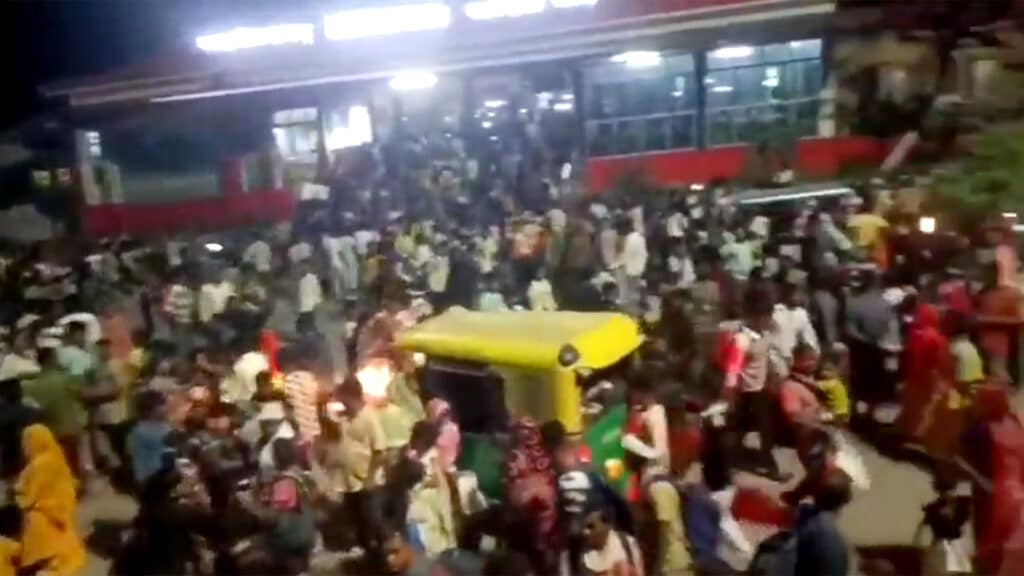
Polling began across Assam on April 9, 2026, with a notable return of minorities to Barpeta to cast their votes. Large numbers of people were seen arriving at the bus and railway stations in Assam’s Barpeta, many with their families and luggage, after traveling overnight. Such movement is commonly observed during elections, as workers employed in other states return to their hometowns to participate in the voting process. The influx has led to discussions among residents about ensuring that only eligible voters cast their ballots, as well as the accuracy of electoral rolls. These concerns come in the backdrop of recent delimitation and ongoing debates around demographic changes in Assam. Election authorities have stated that adequate measures are in place, including identity verification at polling stations, to maintain the integrity of the process.