
PM Modi calls TMC anti–North Bengal, women, tea tribes, youth
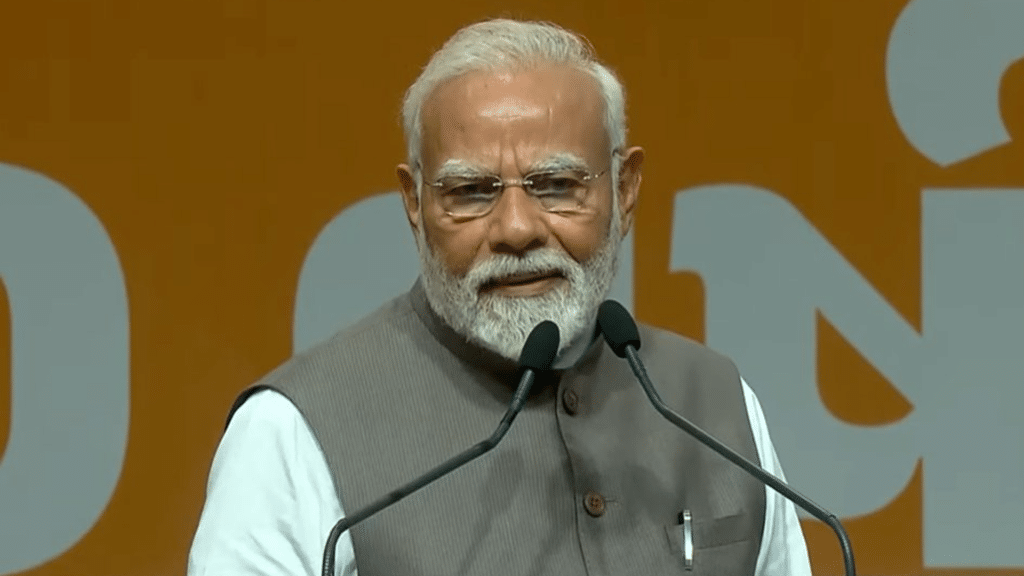
Narendra Modi on Sunday targeted the Trinamool Congress, alleging that it is “anti-North Bengal, anti-women, anti-tea tribe and anti-youth” while addressing a public meeting in Siliguri ahead of the state Assembly elections. Speaking to a large gathering, Modi accused the ruling party of failing to address the needs of North Bengal over the past 15 years, claiming its focus has remained on vote-bank politics rather than inclusive development. He alleged that tea garden workers and tribal communities in the region have been consistently neglected under the state government’s tenure. The Prime Minister also raised concerns about national security, highlighting the strategic importance of the Siliguri Corridor—often referred to as the “Chicken’s Neck” which connects mainland India to the Northeast. He claimed that the state government has not done enough to safeguard this critical region. Modi further criticised the government’s handling of infrastructure, alleging misuse of funds and inadequate development of roads and public facilities. He also took aim at the administration’s response to natural disasters, accusing it of failing to adequately support affected communities. The rally in Siliguri is part of the Bharatiya Janata Party’s broader push to strengthen its presence in West Bengal ahead of the elections.
TVK candidate uses Vijay hologram for election campaigning
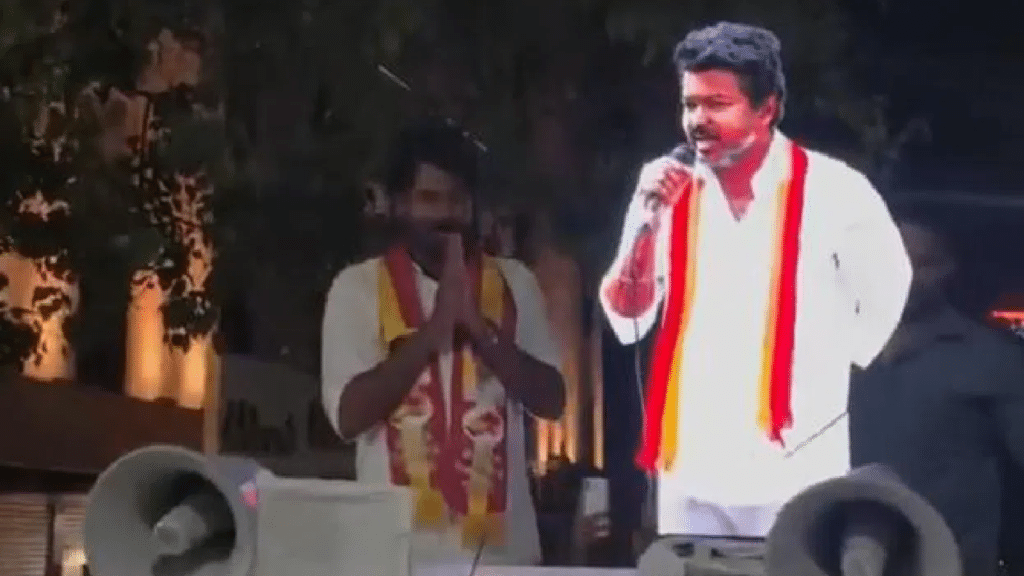
A Tamilaga Vettri Kazhagam (TVK) candidate in Kumbakonam has adopted an attention-grabbing campaign strategy by using a hologram projection of actor Vijay Thalapathy to reach voters. The virtual presence of Vijay Thalapathy who recently launched TVK and enjoys a strong following across Tamil Nadu—has been drawing large crowds at campaign events. Many people are attending specifically to witness the hologram, which has helped the candidate amplify outreach and communicate their message more effectively. The approach reflects a growing shift toward technology-driven political campaigning. By leveraging Vijay’s popularity through holographic projection, the candidate is aiming to connect with a wider audience, particularly younger and first-time voters. Locals have shown considerable curiosity about this innovative method, with increased turnout at events driven by interest in the technology. Political observers believe such strategies could reshape campaigning in smaller towns like Kumbakonam, where personal interaction has traditionally played a key role. As the campaign progresses, the move highlights how regional parties like TVK are experimenting with new tools to expand their reach and leave a lasting impression on voters.
Hindus in Napoklu take oath to boycott trade with Muslims
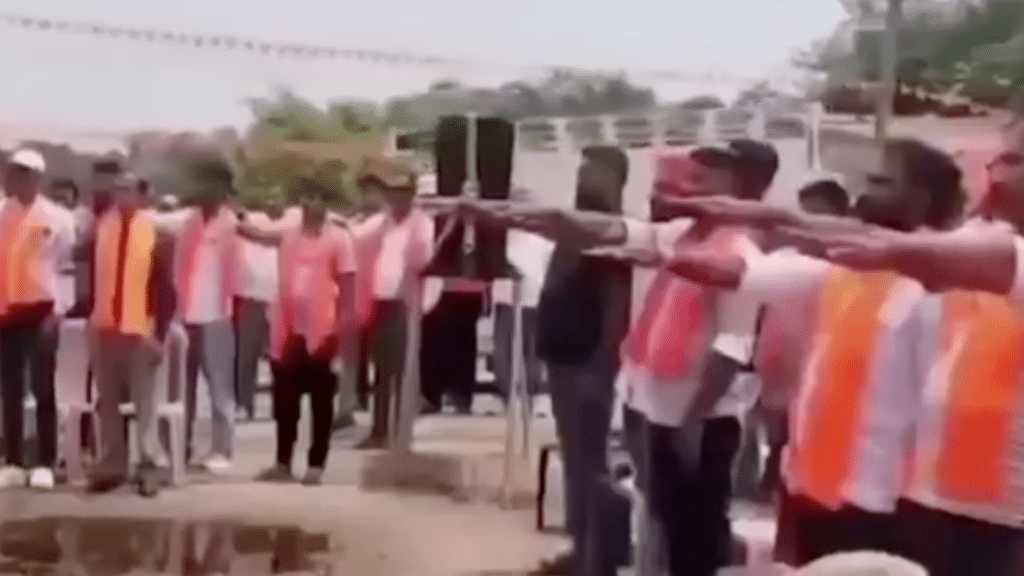
In Napoklu, a town in Karnataka’s Kodagu district, a large number of Hindus gathered and pledged to stop all business dealings with members of the Muslim community, a development that has sparked concern and widespread discussion in the area. The event, attended by a significant crowd, saw participants publicly declare that they would neither buy from nor sell goods and services to Muslims. The gathering was organised by Hindu Raksha Samiti and Hindu Janjagruti Sabha, with attendees collectively taking the oath. According to those present, the pledge covered all forms of commercial interaction, including everyday trade. Images and local reports circulating after the event indicate a large turnout during the oath-taking ceremony. The incident has triggered debate within the region, with many expressing concern over its potential impact on communal relations and the local economy. Napoklu has traditionally been a place where different communities have lived and worked together, making the development particularly sensitive. So far, district authorities have not issued any official statement on the matter, and it remains unclear whether any action will be taken in response to the boycott call. Observers warn that if such actions persist, they could strain inter-community ties and adversely affect small businesses that depend on local trade networks.
Workers’ protest turns violent in Noida; vehicles torched
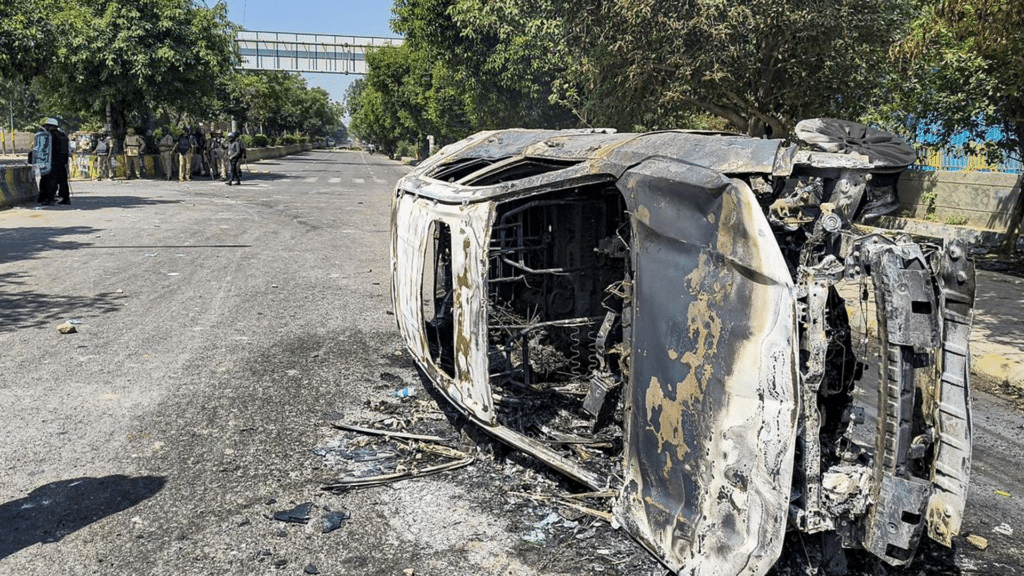
A workers’ protest in Noida’s Phase 2 industrial area turned violent as employees agitating for a salary hike clashed with authorities. The protest quickly spiralled out of control, with angry protesters resorting to arson and stone-pelting. Vehicles were set ablaze, property was vandalised, and movement in the area was severely disrupted. Eyewitnesses said protesters blocked roads and hurled stones, triggering panic among commuters and local residents. Several vehicles were torched, while nearby shops and establishments suffered damage. The unrest led to major traffic disruptions, with parts of the industrial belt coming to a standstill. Police and security personnel were deployed to contain the situation, using crowd-control measures and reinforcing presence in the area to prevent further escalation. Officials said efforts are underway to identify those involved and restore normalcy. The incident highlights rising tensions over wage disparities and working conditions, with labour unrest emerging as a growing concern. Authorities have launched an investigation into the violence.
Thousands protest against proposed mosque in Japan’s Fujisawa
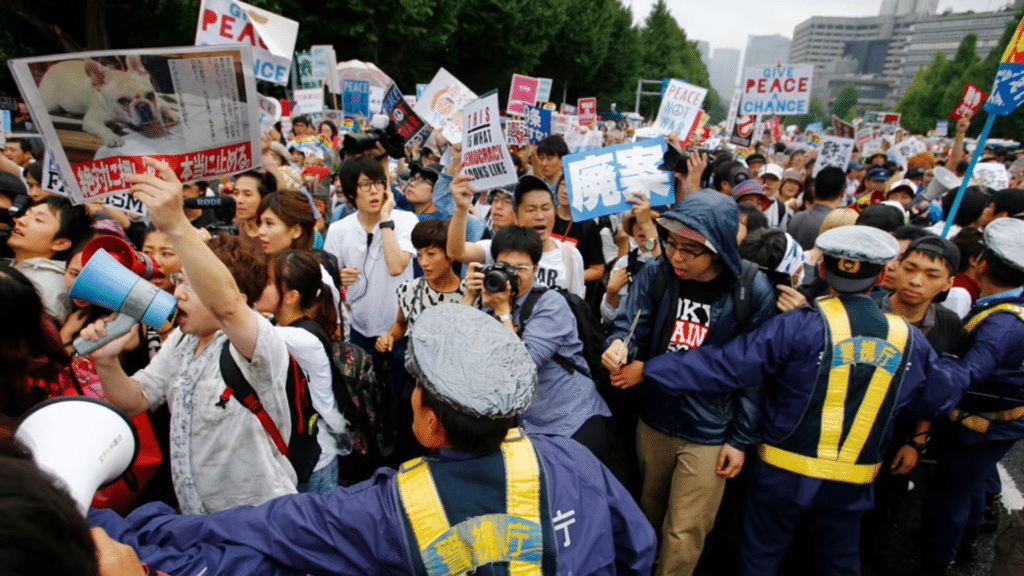
Residents in Japan’s Fujisawa gathered in large numbers to oppose the construction of a proposed mosque, as debate over the project continues to grow. The development has become a major local issue, with many residents expressing concern about how it could affect their neighborhood. Protesters, some carrying Japanese flags, voiced worries over potential noise from calls to prayer, increased traffic, and possible changes to the area’s character. More than 2,500 residents have reportedly submitted complaints to city authorities, highlighting the scale of opposition. If approved, the mosque would be the first major Islamic facility in the area, prompting broader discussions about community planning and the accommodation of diverse religious needs. While some residents oppose the project, others argue it reflects the changing demographics of Japan and the importance of providing spaces for different communities.
“Modi ji lives in the air”, Tejashwi Yadav takes swipe at PM
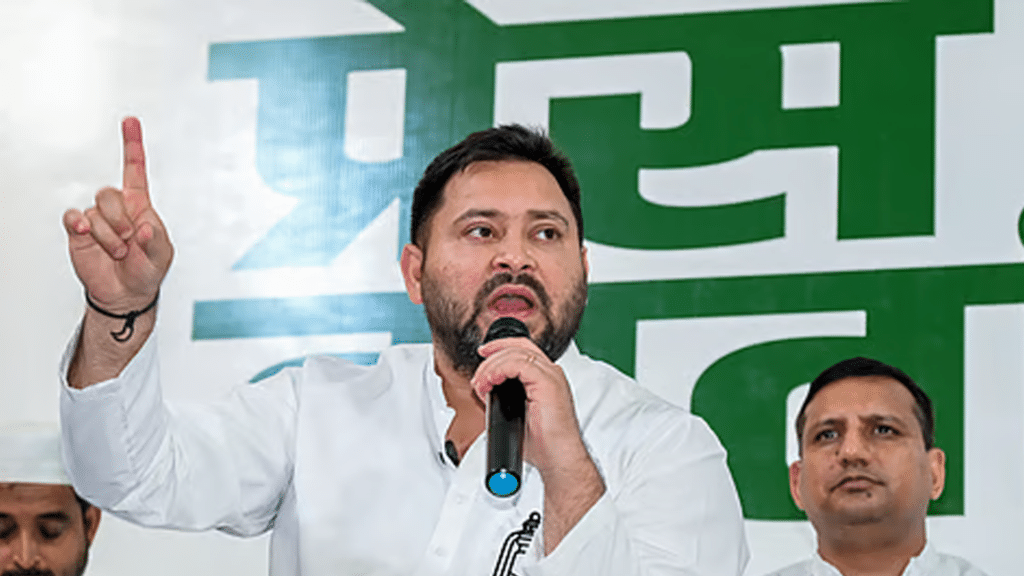
RJD leader Tejashwi Yadav on Monday took a swipe at Prime Minister Narendra Modi, saying “Modi ji lives in the air,” suggesting that the Prime Minister is disconnected from ground realities. Yadav made the remark during a media interaction in Bihar, at a time when political debate in the state is focused on issues of law and order and development. The BJP has not issued an official response so far, but Yadav’s statement is expected to intensify the ongoing political exchange between the two sides as they prepare for upcoming elections. The broader debate in Bihar continues to centre on governance, development, and public safety, with both parties trading accusations and counter-accusations in an effort to strengthen their political positions.
“Vote freely, no one can stop you”: CAPF assures free voting
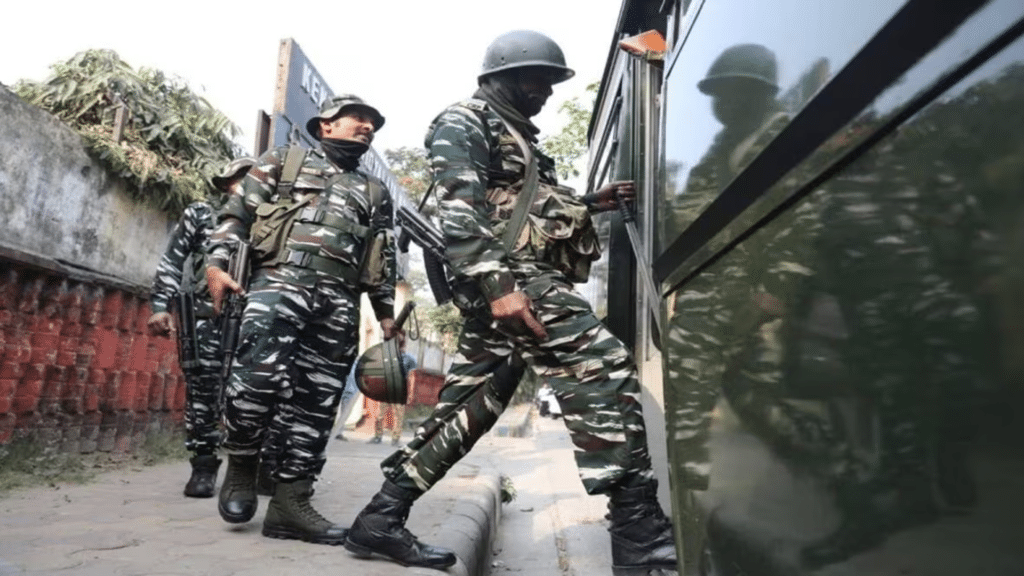
The Central Armed Police Forces (CAPF) have intensified outreach efforts in rural West Bengal ahead of the Assembly elections, assuring residents that they can exercise their right to vote without fear. Personnel are interacting directly with villagers, emphasising their role in ensuring a safe and secure environment for polling. “No one will stop you from voting. You can vote freely,” officials have told locals during these engagements. The initiative comes alongside the deployment of around 2.4 lakh CAPF personnel across the state to maintain law and order during the elections. The large-scale presence is aimed at reassuring voters, particularly in areas where concerns of intimidation have been reported in the past. As part of preparedness measures, security forces are conducting flag marches and area domination exercises in multiple districts, showcasing their readiness to handle any disruptions. CAPF officials say these visible efforts are helping build confidence among rural voters and encouraging participation.
“Daughter abducted in 2021 poll violence”: Woman to WB CEO
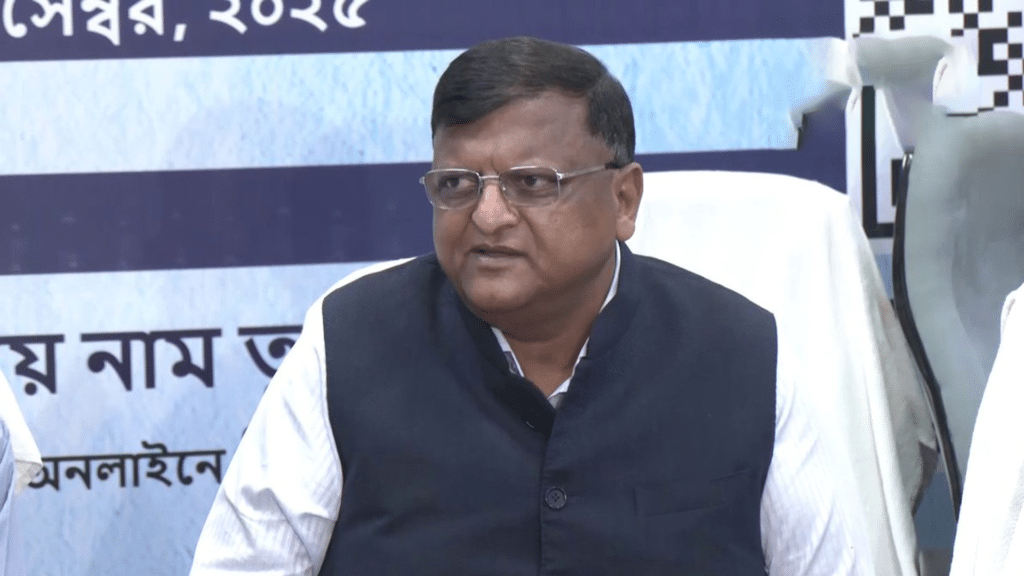
In West Bengal, a woman has approached the Chief Electoral Officer (CEO) with a complaint alleging that her daughter, who was a minor at the time, was abducted during the violence that followed the 2021 Assembly election results. She claims her daughter has remained missing ever since. According to the mother, the incident occurred in the aftermath of the election results, a period marked by reports of unrest and clashes in several parts of the state. She alleged that her daughter was forcibly taken away, and that those responsible warned the family it was a “punishment” for their support for the Bharatiya Janata Party (BJP). The woman has sought intervention from election authorities to help trace her daughter and take action against those involved. Her complaint has once again drawn attention to unresolved cases linked to the 2021 post-poll violence, which had sparked widespread concerns over law and order.