
Bohag Bihu: Assam’s Celebration of Spring, Culture and New Beginnings
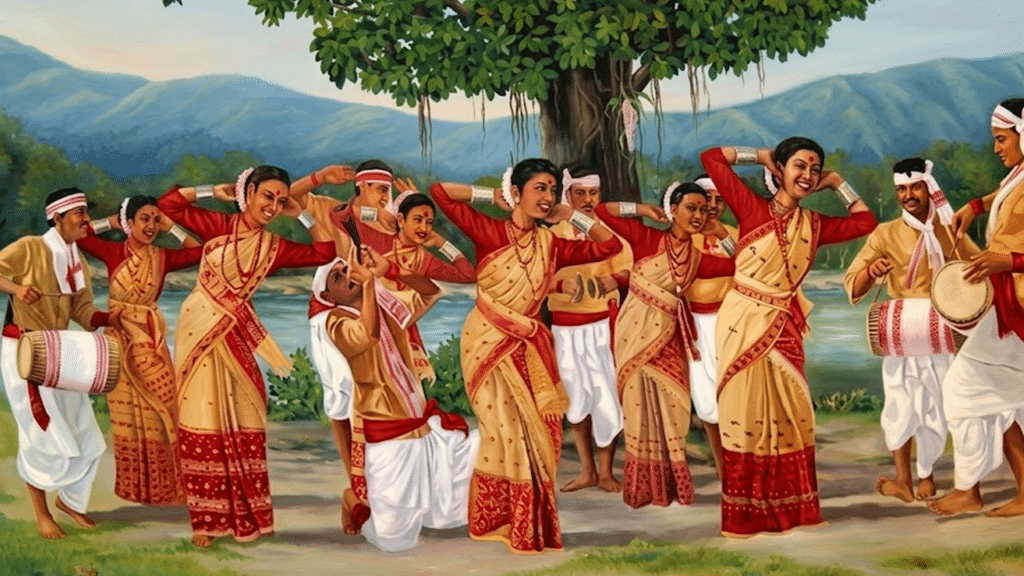
Bohag Bihu, also known as Rongali Bihu, is the most vibrant and widely celebrated festival across Assam. It marks the Assamese New Year and the arrival of spring, bringing renewed energy, joy and optimism everywhere. Celebrated annually in mid-April, Bohag Bihu coincides with the first day of the Assamese calendar month of ‘Bohag’. The festival, deeply rooted in agrarian traditions, symbolises fertility, cultivation and the beginning of a new agricultural cycle. People across Assam celebrate Bohag Bihu with immense enthusiasm, transcending barriers. Historically, Bohag Bihu originated from ancient farming rituals practiced by indigenous communities inhabiting the Brahmaputra valley region. Various ethnic groups like the Ahoms, Kacharis, and Deoris contributed significantly to shaping its rituals and traditions. Over centuries, Bohag Bihu evolved into a unifying cultural festival representing collective Assamese identity and shared heritage values. It continues to reflect the harmonious coexistence of diverse communities that define Assam’s unique social and cultural landscape. The festival’s inclusive nature ensures participation from people belonging to different religions, linguistic backgrounds and social groups. Goru Bihu, Manuh Bihu and the Significance of Bohag Traditionally, Bohag Bihu celebrations extend across several days, beginning with Goru (Cow) Bihu, which is dedicated to cattle and agriculture. On this day, cows are bathed in rivers or ponds, adorned with garlands and fed nutritious food as gestures of gratitude. Farmers gently bathe cattle with symbolic herbs, believing it promotes health and productivity during the farming season. This ritual highlights the deep connection between humans, livestock and nature within traditional Assamese agrarian society. It reflects respect for the animals that play an essential role in sustaining livelihoods across rural Assam. The second day, known as Manuh Bihu, marks the Assamese New Year and celebrates human relationships and personal renewal. People wake early, wear new clothes and seek blessings from elders for prosperity and well-being. Exchanging the traditional gamosa during this day symbolises respect, affection and strong social bonds within communities. Families visit relatives and neighbors, strengthening relationships while celebrating the shared spirit of the new year together. This day reinforces the importance of unity, respect and emotional connections within Assamese society. Ek Bohag, or the first day of Bohag month, holds deep cultural and seasonal significance for the people of Assam. It represents not only the start of a new year but also the renewal of nature and agricultural activities. Fields are prepared for sowing and the environment comes alive with blooming flowers and fresh greenery. The arrival of Bohag symbolizes hope, prosperity and new opportunities for farmers and communities alike. This period is deeply associated with joy, rejuvenation and the promise of a fruitful year ahead. Festivities, Culture, and Community Spirit Music and dance form the heart of Bohag Bihu celebrations, bringing vibrancy and energy to the festival atmosphere. The traditional Bihu dance is performed by young men and women with rhythmic movements and expressive gestures. Dancers often perform in open spaces, accompanied by instruments like the dhol, pepa, gagana, and cymbals. The energetic beats and synchronized movements create a captivating visual and auditory experience for all participants and spectators. Bihu songs, known as Bihu geet, are an integral part of the festival’s musical traditions and cultural expressions. These songs often revolve around themes of love, nature, beauty and the emotions experienced during the spring season. Playful lyrics combined with melodious tunes create an atmosphere filled with romance, joy and youthful enthusiasm everywhere. Singing Bihu geet provides an opportunity for individuals to express feelings that are often unspoken in everyday life. This musical tradition strengthens cultural identity while preserving oral storytelling practices passed down through generations. Traditional attire plays a significant role in Bohag Bihu celebrations, showcasing Assam’s rich handloom and textile heritage. Women wear mekhela chador made from silk varieties like muga, pat, and eri, often featuring intricate designs. Men typically wear dhoti and kurta, complemented by the gamosa, which holds immense cultural and symbolic importance. The gamosa is handwoven and gifted as a token of respect, affection and goodwill during festive celebrations. Food is another essential element of Bohag Bihu, reflecting the culinary richness and agricultural abundance of Assam. The festival begins with a special breakfast called Jolpan, consisting of chira, doi, gur and traditional delicacies. Various types of pitha, made from rice flour, coconut and jaggery, are prepared in households across the region. Laru, sweet balls made from sesame seeds or coconut, are immensely popular and enjoyed by people of all ages. Bohag Bihu plays a vital role in fostering social harmony and strengthening community relationships throughout Assam. People visit friends, neighbors and relatives, exchanging greetings and celebrating the spirit of unity and togetherness collectively. Community events, including Bihu melas, provide platforms for cultural performances, games and social interaction among participants. Modern Relevance and Conclusion In modern times, Bohag Bihu celebrations have expanded beyond Assam, reaching Assamese communities across India and abroad. Cities like Delhi, Mumbai and Bangalore host Bihu events, bringing together people who cherish their cultural heritage deeply. International celebrations further demonstrate the global reach of Assamese traditions and the enduring appeal of Bohag Bihu. Social media platforms play a crucial role in spreading awareness about the festival and showcasing its vibrant celebrations worldwide. Despite modernization, the essence of Bohag Bihu remains rooted in tradition, community values and cultural continuity. Economically, Bohag Bihu contributes significantly to local markets, especially benefiting artisans, weavers and small businesses across Assam. The demand for traditional attire, handicrafts and festive items increases considerably during the celebration period each year. Local markets witness heightened activity as people purchase clothes, gifts and food items for the festival celebrations. This economic boost supports livelihoods and sustains traditional industries that are integral to Assam’s cultural economy. The festival thus plays a dual role in promoting culture while contributing to economic development within the region. However, Bohag Bihu faces challenges due to urbanization, changing lifestyles and increasing influence of global cultural trends. In some cases, commercialization has overshadowed traditional practices, leading to concerns about preserving authenticity and heritage values. Younger generations may sometimes feel
“In Bengal, TMC has given BJP an opportunity”: Rahul Gandhi
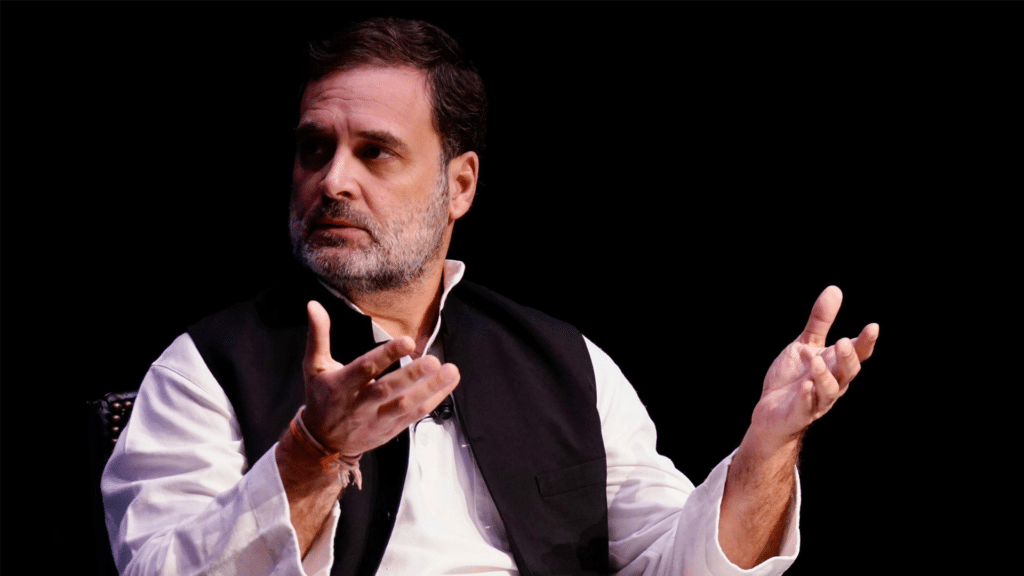
At a rally in Murshidabad, Rahul Gandhi said the Trinamool Congress has made it easier for the Bharatiya Janata Party to gain a foothold in West Bengal, citing poor governance and lack of employment as key reasons. He also criticised the broader political environment in the state. Addressing party workers and supporters on April 14, 2026, Gandhi alleged that the TMC has failed to govern effectively, leading to a loss of public trust. He said this has allowed the BJP to grow stronger in the state. He further argued that the ruling party has not adequately addressed major public concerns, including unemployment and social harmony. The remarks come as Congress steps up efforts ahead of the West Bengal Assembly elections. Gandhi’s comments reflect the party’s attempt to position itself as an alternative to both the TMC and the BJP, while seeking to regain political ground in the state. Congress leaders have said they aim to strengthen the party’s presence in West Bengal by directly challenging both rivals. Gandhi’s speech in Murshidabad is part of that outreach, focusing on governance issues and reconnecting with voters. With elections approaching, political exchanges are expected to intensify, as all three parties the Congress, TMC, and BJP compete to win over undecided voters.
“Most Ambedkar statues vandalised under BJP”: Akhilesh Yadav
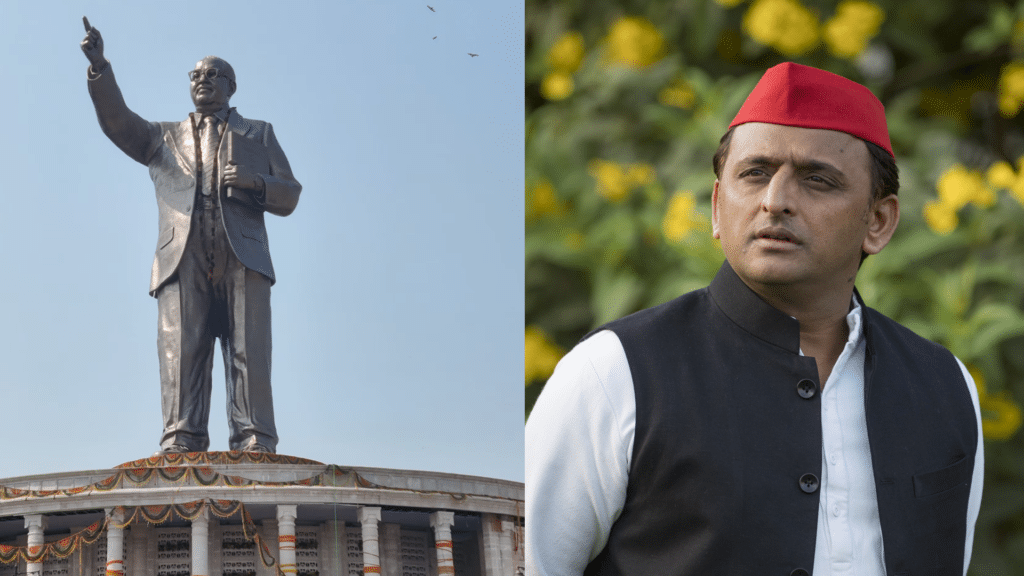
Samajwadi Party president Akhilesh Yadav on Tuesday alleged that a large number of statues of B. R. Ambedkar were vandalised during the Bharatiya Janata Party’s 10-year rule at the Centre, sharpening political tensions. Speaking to the media, Yadav said the recent incidents were not accidental but deliberate attempts to mislead voters ahead of elections. He added that people in Uttar Pradesh are aware of the reality and would not be swayed. He further claimed that the issue reflects a broader pattern of neglect towards Dalit icons and social justice under the current government. His remarks come amid opposition criticism over reported cases of vandalism targeting Ambedkar statues, a key symbol in India’s constitutional and social reform legacy. The BJP has not issued a response to Yadav’s allegations so far.
TMC goons thrash journalist in Siuri for reporting against them
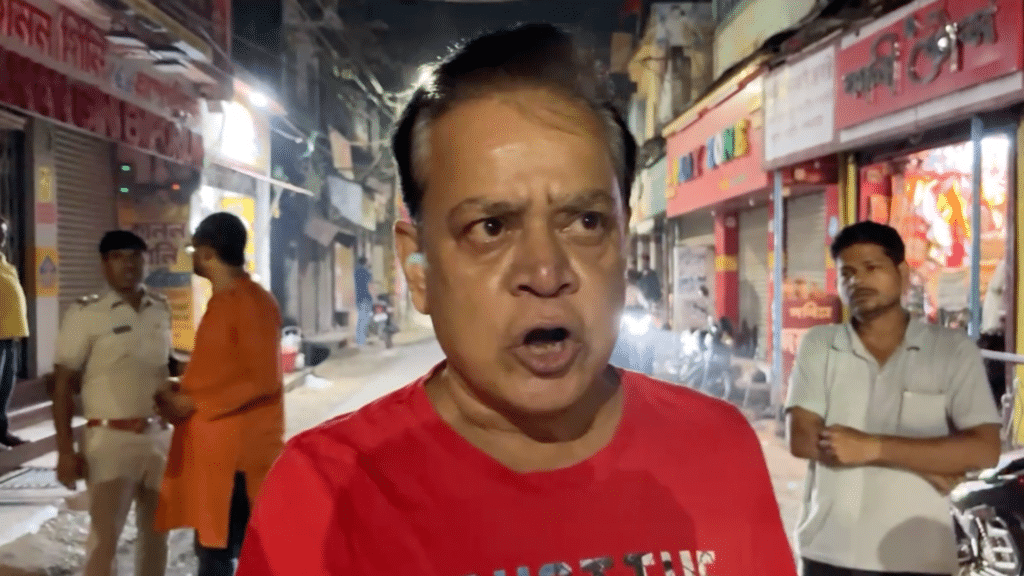
In Siuri, Birbhum district of West Bengal, a local journalist, Raja Hossain, was allegedly dragged to the ground and brutally assaulted on the night of April 13 by individuals suspected to be supporters of the Trinamool Congress. The incident reportedly occurred in the presence of personnel from the West Bengal Police, who were nearby at the time. Hossain is known for his critical reporting on Mamata Banerjee and the ruling party. The attack is widely believed to be linked to his journalistic work. Videos circulating online appear to show him being dragged, kicked, and beaten on a public street, drawing significant public attention. The incident led to protests in the area, with workers from the Bharatiya Janata Party blocking roads and demanding action against those responsible, along with accountability from the police. The assault has renewed concerns over press freedom and the law and order situation in the state.
“Bengal was never & won’t be a manufacturing hub”: Mahua Moitra
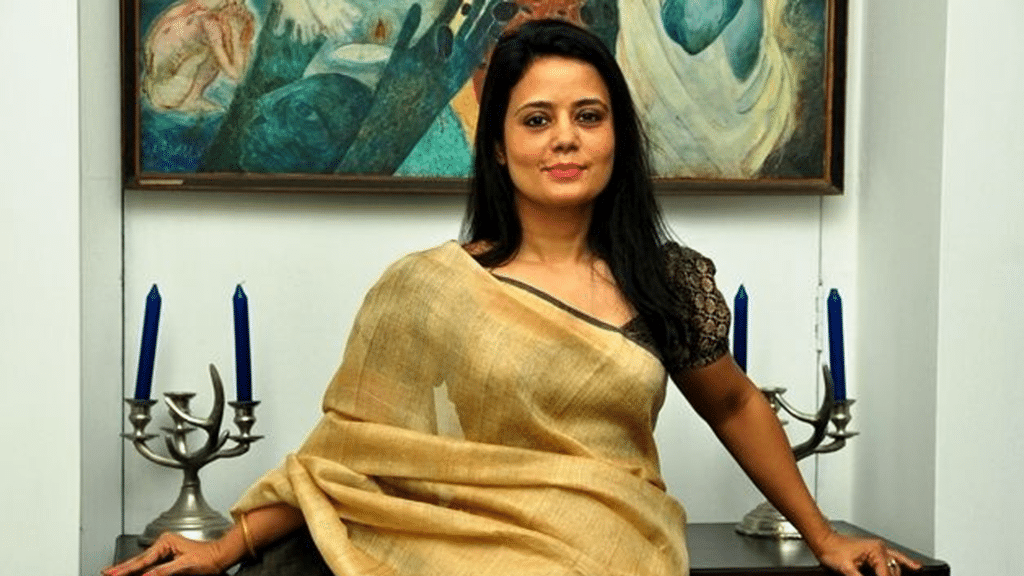
A recent remark by Mahua Moitra has ignited a political debate after she said that West Bengal “has never been a hub for large manufacturing and cannot be,” while defending the state government’s industrial record. Her statement has drawn sharp criticism from opponents, who argue that the state was once one of India’s leading industrial centres. Often dubbed the “Sheffield of the East,” regions like Kolkata and Howrah played a key role in manufacturing in the decades following Independence, contributing significantly to the country’s industrial growth. Critics have also pointed to controversies such as the Tata Nano Singur controversy, arguing that policy decisions, land acquisition challenges, and governance issues discouraged investment and led to industries moving out of the state. The issue has gained traction across media platforms, with many accusing the All India Trinamool Congress of downplaying West Bengal’s industrial past. The government led by Mamata Banerjee has also faced criticism over its efforts to revive the manufacturing sector. However, leaders from the ruling party have defended Moitra’s remarks, saying they reflect current economic realities and structural constraints in attracting large-scale industries. They have also highlighted the government’s focus on services, MSMEs, and infrastructure development. The debate has once again brought attention to West Bengal’s industrial journey its past prominence, present challenges, and the uncertainty surrounding its future trajectory.
Malayalam actor Shiyas Kareem forces Hindu woman to eat beef
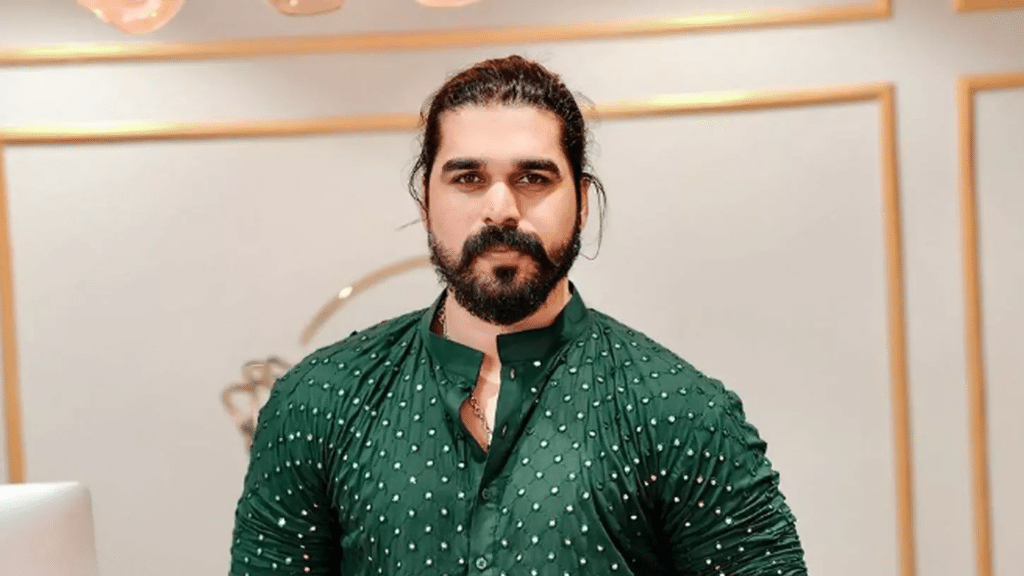
A major controversy has erupted after a video featuring Shiyas Kareem and Anumol went viral, drawing widespread reactions across social media platforms. In the clip, Kareem is seen repeatedly urging Anumol to eat beef during a public event, despite her clearly refusing. She appears visibly uncomfortable, yet he continues to press the matter and makes remarks questioning her choice. The exchange also includes a political jibe, which has further added to the criticism. The incident has sparked intense debate online, with many users calling Kareem’s behaviour inappropriate and disrespectful of personal boundaries. Several have demanded an apology, emphasizing that public figures should act with greater sensitivity and awareness in such situations. So far, neither Kareem nor Anumol has issued an official response. Meanwhile, the video continues to circulate widely, keeping the discussion alive around consent, cultural sensitivity, and appropriate public conduct.