
ATS raids Varanasi pediatrician’s house in ISI-linked terror funding case
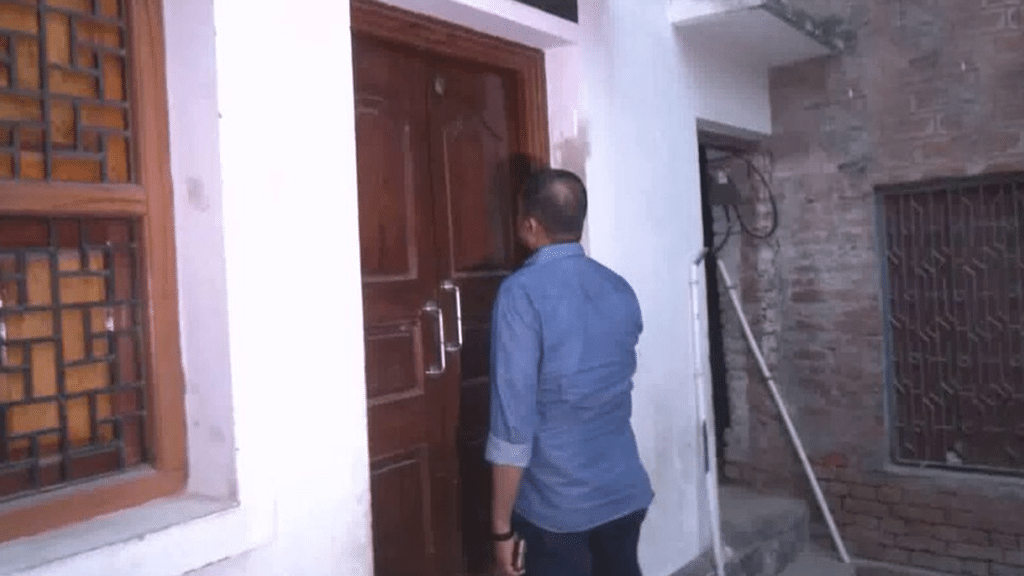
The Anti-Terrorism Squad (ATS) teams from Mumbai and Varanasi raided the residence of Dr. Arif Ansari, a pediatrician in the Pathani Tola area of Varanasi. He and his son, Abu Bakr, were questioned in connection with a terror funding case linked to Pakistan’s ISI. The action follows a recent breakthrough in Lucknow, where four suspects were arrested near Charbagh Railway Station on April 10. Investigations indicated that the suspects may have been in contact with ISI handlers and other terror operatives, prompting coordinated raids at multiple locations. During the search, authorities reportedly found suspicious transactions in Dr. Ansari’s bank accounts. Electronic devices seized from his residence are said to contain Pakistani phone numbers and WhatsApp conversations with individuals believed to be based in Kashmir. Abu Bakr, a 20-year-old NEET aspirant, is also under investigation for allegedly being in contact with a Kashmiri handler and maintaining links with suspicious numbers. Authorities are currently examining the extent of his involvement in the case. Officials suspect that the network may be spread across Uttar Pradesh, with possible links extending to Mumbai. Investigations are ongoing to trace the full extent of the funding channels and identify others connected to the module.
TMC workers assault BJP MLA Deepak Barman during campaign
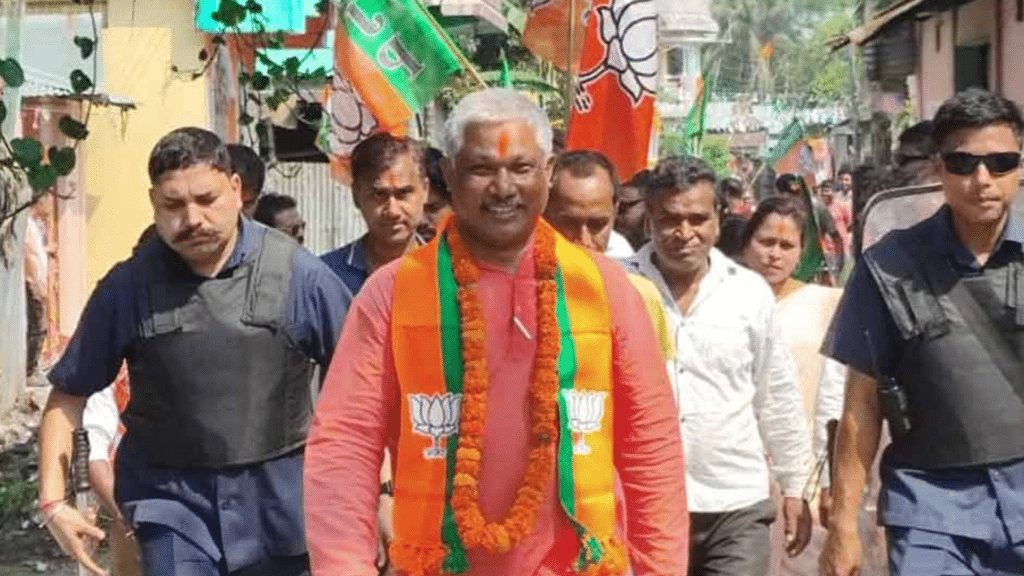
BJP MLA and Falakata candidate Deepak Barman was allegedly attacked by individuals suspected to be Trinamool Congress workers during a campaign event at Kadambini Tea Garden in West Bengal on April 14, 2026. The incident reportedly took place while Barman was interacting with local residents. A video circulating on social media shows him being surrounded and jostled by a group of people, triggering chaos at the spot. In the confusion, several supporters were seen fleeing towards nearby rural paths and bushes. BJP leaders have claimed that TMC workers were responsible for the attack, stating that the incident reflects growing political tension in the region ahead of the upcoming Assembly elections. The party also alleged that Barman’s driver was injured during the incident. The ruling Trinamool Congress has denied the allegations, rejecting any involvement in the episode.
Rajasthan’s Dhandan Dham temple draped in Gamosa and Japi for Bohag Bihu
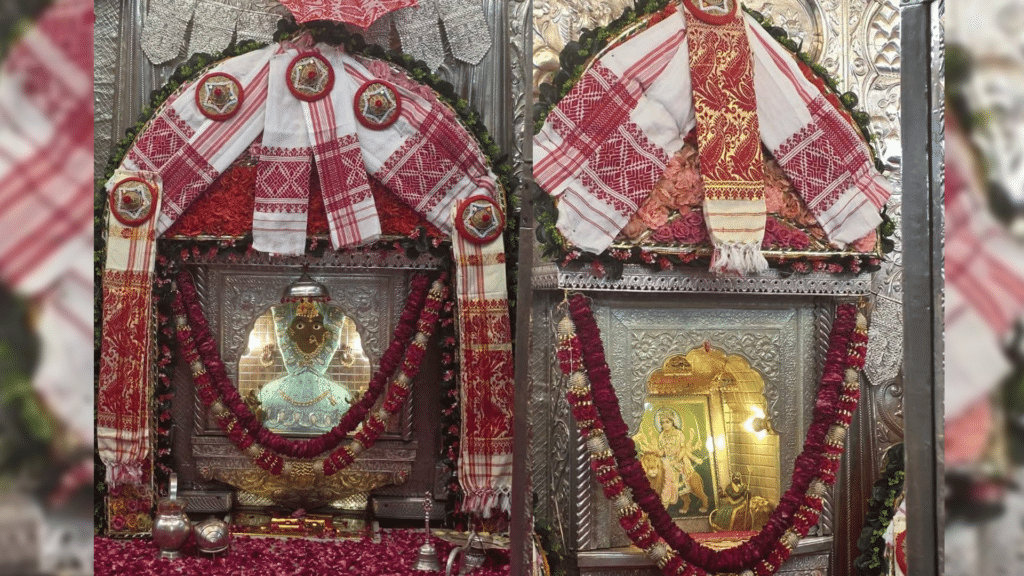
Rajasthan’s Dhandan Dham Temple was beautifully decorated with Assam’s traditional symbols like the Gamosa and Japi on the occasion of Bohag Bihu, reflecting a spirit of unity and shared celebration. The decorations highlighted India’s cultural diversity and how different traditions can coexist peacefully. The use of Assamese cultural elements at the temple also showed respect and appreciation from the people of Rajasthan for Assam’s heritage. The Bohag Bihu celebration demonstrated how festivals can bring communities together across regions. It reinforced the idea that people from different parts of the country can share in each other’s traditions and joyful moments. The event at Dhandan Dham Temple stood as an example of India’s unity in diversity, where cultural exchange fosters mutual respect and togetherness.
Bhaskaravarman and the Origins of Assamese New Year
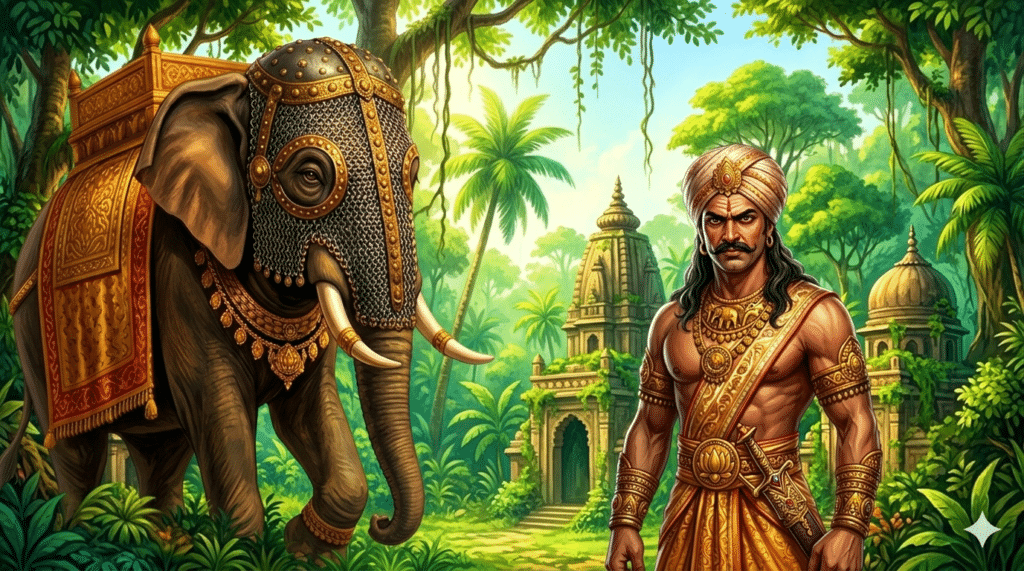
Today is Bohag Bihu, which marks the Assamese New Year, a day not merely a seasonal renewal but a historical remembrance of a king whose life reshaped Assam’s destiny. Today the Assamese calendar turns to year 1433, which marks the 1433rd regnal year or year of accession of Kumar Bhaskaravarman to the throne of Kamarupa. The Assamese calendar itself is known as Bhaskarabda, named in his honour. Who was Bhaskaravarman and why is he so important to Assamese memory? Bhaskara’s father Susthitavarman, known in the Harshacharita as “Mriganka,” was a monarch of immense stature, praised as a ruler who seized glory, not greed. Yet even such a king could not withstand the rising tide of imperial conflict. The Later Gupta ruler Mahasenagupta struck Kamarupa in a campaign that pushed its western frontier back to the Karatoya River. The defeat was not merely territorial, it was psychological. Amid this turbulence stood Supratisthitavarman, the crown prince, groomed as Yuvaraja and ideal heir. The Dubi copper plates celebrate him as brave, generous and princely. But his promise was cut short, likely slain in conflict involving Shashanka. Within a short span, Kamarupa lost both king and heir. The court was left in stunned silence. The throne stood not as a symbol of power, but as a reminder of absence. Into this void stepped the younger prince, or kumara, Bhaskaravarman. His coronation in Pragjyotishpura was not a moment of triumph, but of solemn resolve. Waters of the Brahmaputra were poured over his head as priests chanted Vedic hymns, while conch shells echoed through halls still heavy with grief. The young king stood beneath a crown won not by inheritance, but by survival. Tradition remembers this moment as the beginning of Bhaskarabda, a new reckoning of time itself. His accession was thus not only political but civilisational: a new era born from loss. The Shadow of Gauda Bhaskaravarman’s reign began under the looming threat of Shashanka of Gauda, a ruler whose ambition stretched across Bengal and into the Gangetic plains. For Kamarupa, Gauda was no distant rival, it was an immediate danger pressing against its western frontier. Bhaskara understood that to face Shashanka alone would be ruin. Instead, he chose strategy over impulse. In one of the most decisive acts of his reign, Bhaskaravarman forged an alliance with Harshavardhana of Kannauj. Both rulers had suffered at the hands of Shashanka, Harsha through the murder of his brother and Bhaskara through territorial loss and dynastic tragedy. Their alliance, described as “imperishable,” was sealed not only with diplomacy but with shared purpose. When war came, it came with thunder. From the west marched Harsha’s armies, cavalry and infantry sweeping across the plains. From the east advanced Bhaskaravarman, his forces moving along the Brahmaputra valley into Bengal. War elephants, massive, iron-clad and unstoppable, formed the core of his military might, their sheer force breaking enemy lines and crushing resistance. Caught between two fronts, Shashanka’s power crumbled. Karnasuvarna, his capital, was abandoned. Gauda fell. For Bhaskaravarman, victory was not conquest alone, it was restoration. Marching into Pundravardhana, he reclaimed lands lost in his father’s time and issued the Nidhanpur copper plates. These grants given to Brahmanas reaffirmed earlier donations, declaring that Varman sovereignty had endured despite interruption. The message was clear: Gauda’s rule had been an interlude. Kamarupa had returned. Bhaskaravarman’s rise placed him on the grand stage of Indian politics. Nowhere was this more evident than in the great assemblies of Harsha. At the Kanauj Assembly, kings, monks and scholars gathered in thousands. Harsha presided as Indra, the king of gods. Beside him stood Bhaskaravarman, not as a subordinate, but as Brahma himself. Clad in divine attire, holding the parasol of sovereignty, Bhaskara embodied creation and authority. Only these two rulers were permitted divine crowns, marking their unique status among all present. At the Prayag Assembly, this symbolism continued. As processions of elephants, monks and nobles filled the riverbanks, Harsha presided over one side while Bhaskara held the other, two kings mirroring two rivers, converging in power and purpose. These were not mere ceremonies. They were political theatre, and Bhaskaravarman stood at its centre. The Scholar-Warrior Bhaskaravarman’s ambition extended beyond warfare and diplomacy, it reached into the realm of culture and intellect. Determined to host the Chinese pilgrim Xuanzang, he reportedly issued a bold ultimatum to Nalanda. When the monk finally arrived in Kamarupa, he was greeted with unmatched splendour. For a month, the capital transformed into a festival of knowledge. Scholars debated philosophy, musicians performed in royal courts, and banquets were laid out in gold vessels. Xuanzang recorded his admiration for the king, describing him as eloquent, intelligent, and devoted to learning. When Bhaskara later escorted Xuanzang westward, he did so with astonishing grandeur, thousands of elephants, fleets of boats and a retinue that stretched across the land. It was a moving display of power and prestige. Bhaskaravarman was not merely a patron of culture, he was a participant in it. The refined Sanskrit of inscriptions like the Dubi grant suggests literary brilliance, possibly his own. He engaged with philosophical traditions, even expressing interest in Chinese thought such as the teachings of Lao-tse. At home, he upheld dharma through generous land grants, earning comparisons to legendary kings like Sivi. His governance blended strategy with generosity, ensuring loyalty and stability. Under Bhaskara, Kamarupa became a thriving, organised state. Its fertile lands produced abundant crops, while trade routes connected it to Bengal, Bihar and beyond. Society was diverse, integrating agrarian communities, Brahmanical scholars and indigenous groups. Despite constant engagement in warfare and diplomacy, internal peace prevailed, a testament to his administrative skill. He stylised himself as a king of dharma, claiming in his inscriptions that he will usher in Arya dharma from the darkness of Kali (Kaliyuga). An Enduring Legacy Even after the death of Harsha, Bhaskaravarman remained a decisive force. He contributed to the defeat of the usurper Arjuna of Kannauj, reinforcing his stature in the subcontinent. Soon after, he passed away, bringing to a close a reign