
“THE NEW LLP AMENDMENT REGIME: TRANSFORMING COMPLIANCE, GOVERNANCE, AND GROWTH”
The rules about Limited Liability Partnerships in India have changed over time to fit the needs of businesses. The new Limited Liability Partnership Amendment Act, 2021 shows how things are changing. When the Limited Liability Partnership Act, 2008 was first made, it was seen as a flexible option for professionals and small businesses compared to companies. But as time went on, some parts of the law were found to be too strict, especially when it came to following rules and penalties. So, the 2021 amendment is not just a small change – it’s a practical reform that takes into account how businesses really work. This change is a big deal because it makes the law more realistic and helpful for businesses. The old law was made to help professionals and small businesses, but it had some problems that needed to be fixed. Now, the new amendment is trying to fix those problems and make things better for businesses. It’s a good example of how laws can change to fit the needs of the people and businesses they affect. The concept of a “Small LLP” has been introduced under Section 2(1)(ta), which is a significant change in everyday practice. To be classified as a Small LLP, the contribution does not exceed ₹25 lakh or such higher amount ,not exceeding ₹5crore, and the turnover does not exceed ₹40lakh, with a possible extension up to ₹50crore. This definition is not just a technicality, it has real implications. Small LLPs have a lesser compliance burden and face reduced penalties, making it a more practical option for small-scale operations, such as a small consultancy firm or a legal practice, as they do not have to worry about heavy penalties for minor defaults. This change has made the LLP structure more accessible and beneficial for smaller businesses, allowing them to operate with greater ease and flexibility. One of the key changes is that some offences are no longer considered crimes. In the past, even small mistakes – like filing annual reports late – could lead to serious legal trouble. Certain sections, such as Section 34 and Section 35, which are about filing accounts and annual returns, were especially strict. But now, these offences have been changed to civil matters. What this means is that instead of going to court, businesses just have to pay a fine. This is a big relief for businesses, as they don’t have to worry as much about making small mistakes. They can focus on following the rules, rather than being scared of legal consequences. This change should make it easier for businesses to operate, as they won’t be afraid of being punished for every little thing. Another benefit of this amendment is that it brings in more flexibility when it comes to raising funds. Now, Limited Liability Partnerships (LLPs), can issue non-convertible debentures to specific types of investors. In the past, LLPs mostly relied on money from their partners, which put a limit on how much they could grow. But with this change, LLPs have more options for getting the money they need, and that makes them a more attractive choice for businesses. This is a big deal because it helps LLPs compete with other types of businesses. Nowadays, it’s really important for businesses to be transparent, especially when it comes to who owns them and how they handle their finances. Limited Liability Partnerships, or LLPs, are now required to keep accurate records and follow specific accounting rules. This helps build trust and makes sure they’re meeting the standards that regulators expect. By doing so, LLPs can show they’re responsible and credible, which is essential in today’s business world. The updated law is a good compromise. It makes things fairer and less strict when it’s not necessary, but still keeps the important rules in place. For businesses, especially smaller ones, this change makes it easier to run a Limited Liability Partnership. The new idea of Small LLPs, reducing the number of criminal offenses, and making it simpler to follow the rules are all big positives. To sum it up, the Limited Liability Partnership (Amendment) Act, 2021 is a big step forward in making the law more realistic and practical for businesses. It understands that following rules should not be too difficult, and small errors should not have serious consequences. However, it also makes sure that the system remains responsible and open. For people who study or work with Limited Liability Partnerships, this change is not just about the law – it’s about making things easier and more practical in daily life. The amendment aims to strike a balance between flexibility and accountability, which is a welcome move for businesses and individuals alike. Overall, the Limited Liability Partnership (Amendment) Act, 2021 is a positive change that brings the law closer to the needs of real business.
Hindu activists confront Lenskart staff over hidden temple

A controversy has emerged involving Lenskart after Hindu activists visited one of its stores and alleged that a small temple had been placed inside a lower cupboard. Objecting to this, the activists confronted store staff and demanded that the temple be moved to a more visible and respectful location, calling its placement inappropriate. The incident was recorded on video and quickly spread online, drawing strong reactions and triggering calls for a boycott of the brand. Activists have questioned whether the decision was taken by store employees independently or if it reflects a broader company directive. The episode has sparked a wider conversation about religious sensitivity in commercial spaces, with many calling on Lenskart to clarify its stance. The company has not yet issued an official response, as both customers and activists await further explanation.
“SIR protest should be held in Bangladesh, not in Bengal”: Himanta
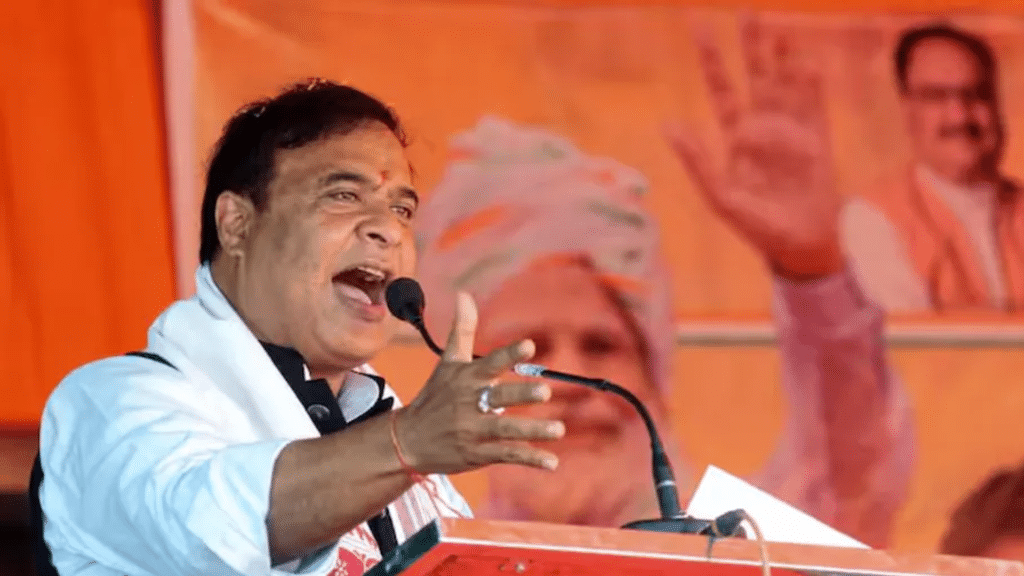
Himanta Biswa Sarma on Monday said that protests against the Special Intensive Revision (SIR) of electoral rolls should be directed at Bangladesh rather than West Bengal, maintaining that the exercise is intended to update voter lists and identify ineligible names. Speaking during his visit to poll-bound West Bengal, Sarma defended the revision process, saying it is necessary to ensure that only legitimate Indian citizens are included in the electoral rolls. He suggested that objections to the exercise stem from concerns over individuals allegedly entering from across the border. The Assam Chief Minister also criticized Mamata Banerjee for opposing the move, alleging that her stance is politically motivated rather than focused on safeguarding electoral integrity. Banerjee, however, has consistently raised concerns about the intent and implementation of the revision. The remarks come in the run-up to the West Bengal Assembly elections 2026, with political parties sharpening their positions on voter verification and illegal immigration as key campaign issues.
Fake Mounjaro injection racket busted in Gurugram; two arrested

Police in Gurugram uncovered a racket involving counterfeit Mounjaro injections, arresting two individuals and seizing fake stock worth around ₹70 lakh. According to investigators, the accused were preparing the injections at a residential premises by mixing unverified substances with water and packaging them with fake labels to pass them off as genuine products. Officials are particularly concerned as the counterfeit drugs were being sold online, making it difficult to estimate how many people may have purchased them. Police suspect a wider network behind the operation and are working to trace the source of the materials as well as others involved in distribution. Health authorities have issued strong warnings about the dangers of such fake medicines, stressing that contaminated or improperly made injections can cause serious harm. In response, enforcement and health agencies have intensified monitoring efforts across the country to prevent the circulation of counterfeit drugs and protect public safety.
Delhi CM accuses TMC of switching off lights during roadshow

Delhi Chief Minister Rekha Gupta on Monday alleged that the Trinamool Congress government in Kolkata deliberately switched off streetlights during her roadshow, calling it a serious security lapse. Speaking to the media after the event, Gupta claimed the move was aimed at disrupting the BJP’s campaign ahead of the upcoming West Bengal Assembly elections. She said the sudden darkness created safety risks for party workers as well as the public present at the rally, and questioned the intent behind the alleged action. Gupta added that such incidents undermine democratic campaigning and put lives at risk during crowded political events. She also urged authorities to ensure the safety of political leaders irrespective of party affiliation. The allegations come amid intensified campaigning by both the BJP and the ruling Trinamool Congress in West Bengal. The TMC has not yet responded to Gupta’s claims.