
Rahul Gandhi demands 90% reservation in private sector
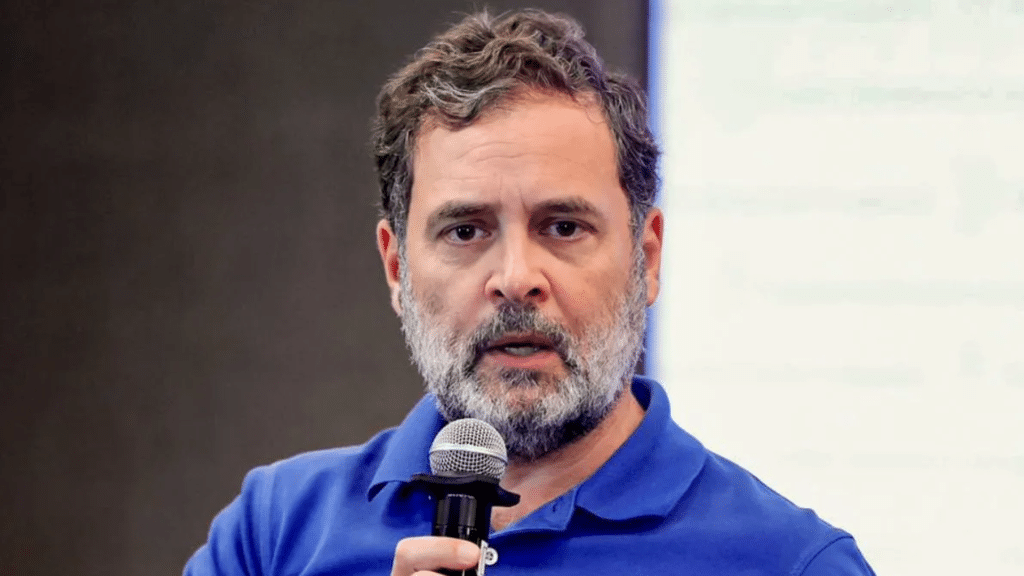
Lok Sabha Leader of Opposition Rahul Gandhi has initiated a major political debate after proposing that around 90% of jobs in private companies should be reserved for specific groups. He described the idea as a step toward greater fairness and equal access to opportunities in India’s economy. The proposal has received strong reactions. Critics argue that such a policy could interfere with merit-based hiring and may reduce efficiency in private sector companies. They express concern that it could affect how businesses operate and make recruitment decisions. Some opponents have also accused the Congress party of inconsistency, saying Rahul Gandhi should first ensure similar reservation policies are applied within his own party. Supporters of the idea, however, argue that it addresses long-standing inequality in society. They believe that historically disadvantaged groups require stronger representation in private sector employment to ensure equal opportunities. According to them, without such measures, disparities in access to jobs may continue.
“Modi’s promises to women are lies”: TMC MP Sagarika Ghose
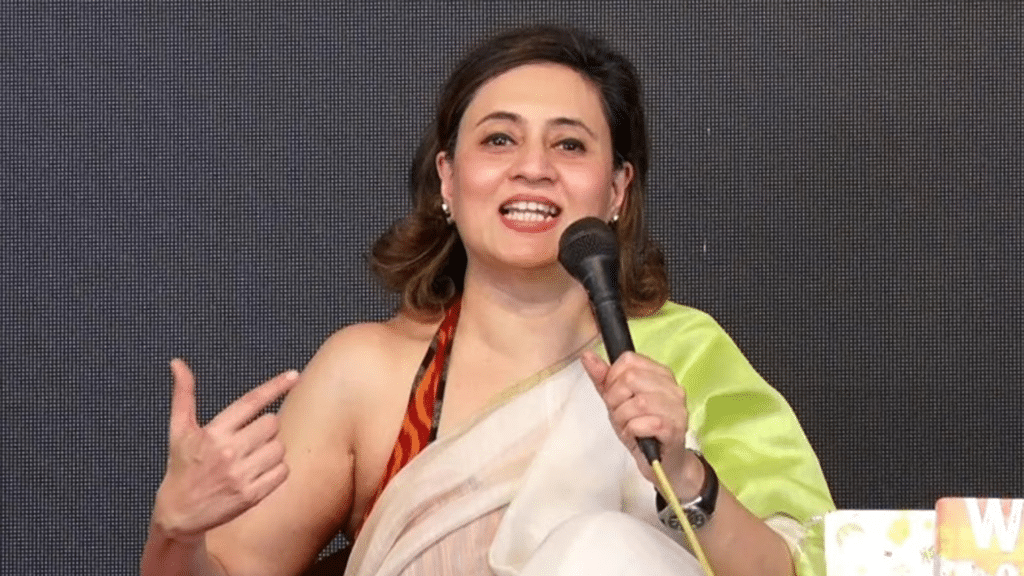
Trinamool Congress (TMC) MP Sagarika Ghose has criticised Prime Minister Narendra Modi, alleging that key promises made to women have not been fulfilled, particularly financial support schemes. Addressing an event, Ghose claimed that the proposed ₹2,500 financial assistance for women in Delhi was never disbursed. She questioned the government’s outreach to women voters, asserting that the promised benefit did not reach its intended recipients. She also took aim at the Prime Minister’s emphasis on “Nari Shakti,” arguing that the narrative remains largely rhetorical and does not translate into meaningful change in women’s everyday lives. Her remarks come at a time when political parties are increasingly highlighting women-centric welfare initiatives ahead of elections. Highlighting her party’s governance model, Ghose pointed to West Bengal as an example of women’s empowerment. She noted that the state has a significant share of women-owned businesses, with around 23.4% of enterprises led by women, indicating strong participation in economic activities. However, official figures present a more nuanced picture. Data from the National Crime Records Bureau (NCRB) shows that West Bengal is among the states reporting a high number of crimes against women, raising concerns about safety despite economic progress. The issue underscores a broader national debate on women’s empowerment—whether economic inclusion alone is sufficient, or if equal emphasis must be placed on ensuring safety and legal protection. The Bharatiya Janata Party (BJP) has not yet responded to Ghose’s remarks. The exchange reflects an ongoing political contest over governance, welfare delivery, and which party can more effectively address issues impacting women.
“Joining Congress is the riskiest thing”: Girls to Rahul Gandhi
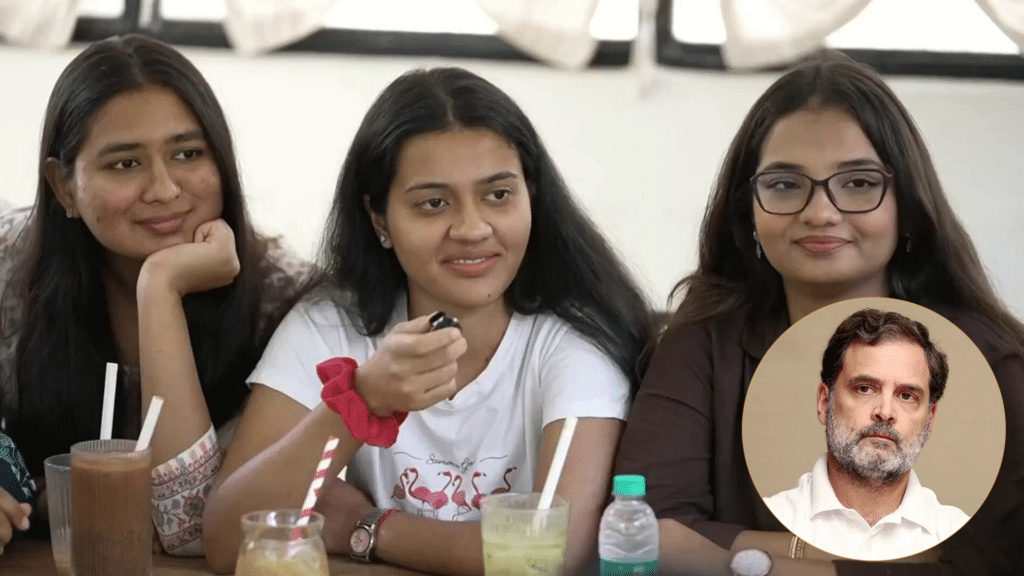
An interaction between Rahul Gandhi and students from Delhi University has drawn significant attention online. During the conversation, Gandhi asked students about the riskiest thing they had ever done. In response, a group of girls quipped, “Joining Congress,” drawing laughter from those present. The moment, captured on video, quickly spread across social media platforms. The clip has prompted varied reactions. Supporters of the Indian National Congress viewed the remark as candid and light-hearted, while critics said it reflects the party’s challenges in connecting with younger audiences.
“Chandrashekar Ravan’s mother was Muslim”: Valmiki leader
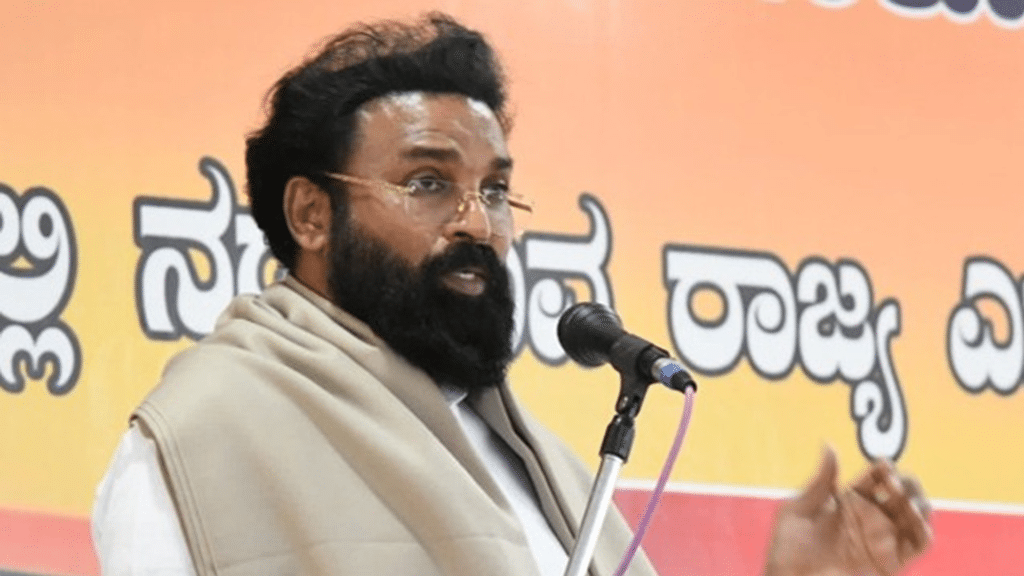
A political and social controversy has emerged after a Valmiki community leader made strong remarks about MP Chandrashekhar Azad, also known as “Ravan.” The leader alleged that Azad is “not what he claims to be” and suggested that he is a Muslim posing as a Hindu. In his statement, the leader also claimed that Azad’s mother was Muslim and accused him of presenting a false identity to create divisions within the Hindu community. He further referred to Azad as a “masquerade” and alleged that his actions are aimed at creating discord for political advantage. The comments have drawn sharp reactions from various sections. Several critics have described the remarks as inflammatory and accused them of attempting to provoke communal tension. Meanwhile, supporters of Chandrashekhar Azad have rejected the allegations, calling them baseless and politically motivated. As of now, Chandrashekhar Azad has not issued any response to the controversy. The episode has further intensified discussions around identity politics and the use of charged rhetoric in public and political discourse.
Maulvis urge ‘vote for AAP’, cite protection of Namaz & Madrasas
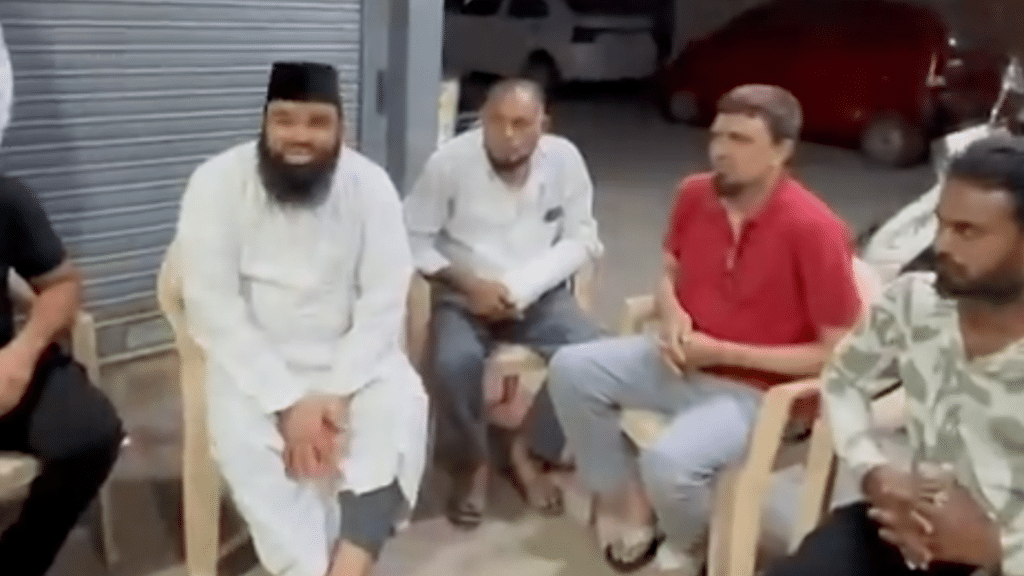
A video circulating on social media from Gujarat has drawn public attention, showing a Muslim cleric addressing his community and appealing for support towards the Aam Aadmi Party (AAP). In the message, he urges people to consider voting for AAP, expressing concern over the protection of their religious institutions and practices. In the video, the cleric claims that practices such as namaz, along with dargahs and madrasas, could face threats, and suggests that an AAP-led government may help safeguard these religious and cultural spaces. The clip has sparked debate online. While some users view it as a community expressing its concerns and political preferences, others have questioned whether invoking fears related to religion is appropriate in electoral campaigning. So far, there has been no official response from any political party regarding the statements made in the video. The authenticity and full context of the video have not been independently verified. Nevertheless, it has contributed to ongoing political discussions in Gujarat, where voting patterns and community outreach are closely being observed. The situation highlights the importance of various political voices and community perspectives in the current electoral climate. While sections of the Muslim community seek assurance about the protection of their religious practices, AAP is being viewed by some as a possible political alternative. As the political atmosphere develops, attention remains on clarifications regarding the video and the broader positions of political parties, with communities awaiting clearer assurances on their concerns.
“Assam completes 100% border fencing”: Himanta Biswa Sarma
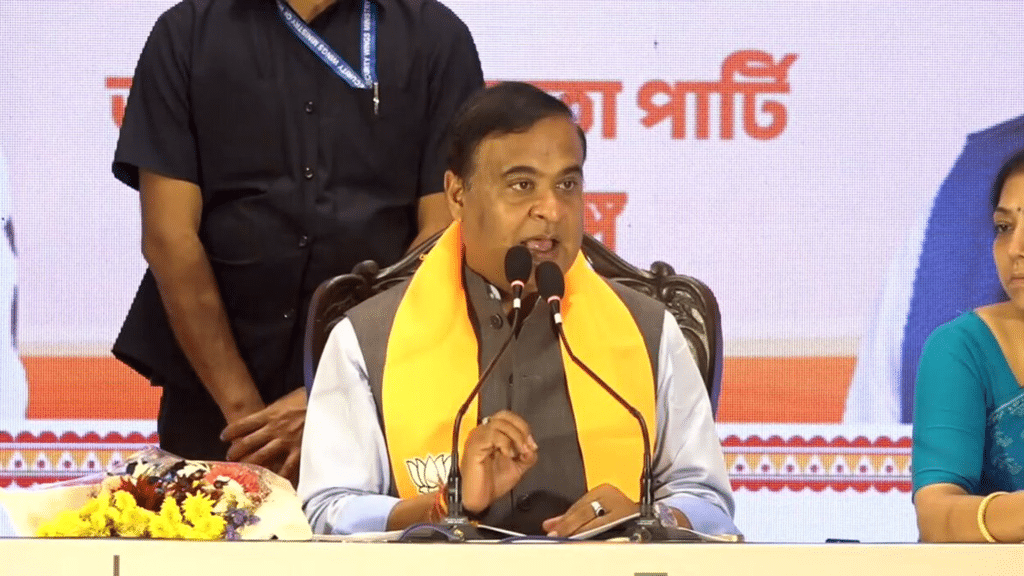
Assam has completed the construction of fencing along its border with Bangladesh, a move that Chief Minister Himanta Biswa Sarma described as a significant step toward strengthening India’s security. Calling it a major achievement, Sarma said the state has made sustained efforts to regulate its borders more effectively and prevent unauthorized entry. He noted that Assam’s completion of 100 percent fencing along the Bangladesh border should serve as a model for other states. According to the Chief Minister, the project plays a crucial role in maintaining peace and ensuring stability in the region. At the same time, he raised concerns about West Bengal, stating that it has not fully cooperated with the Centre on the fencing initiative. He pointed out that certain stretches of the border remain inadequately secured, which could pose risks to national security. Reaffirming the government’s position, Sarma said, “We will not give in to people who enter illegally,” underlining a firm stance on border control. Border fencing continues to be a sensitive issue in India, especially in eastern states. While Assam has made notable progress, coordinated efforts among all states sharing the Bangladesh border will be essential to ensure comprehensive security.
“Truck drivers from Bengal allege Abhishek tax”: CM Himanta
Himanta Biswa Sarma has alleged that truck drivers from West Bengal are being forced to pay an unofficial levy near Siliguri, referring to it as the “Abhishek Tax.” He claimed that individuals linked to the Trinamool Congress (TMC) are responsible for the practice. According to Sarma, transporters carrying goods to and from Assam are being compelled to make these payments, leading to higher transportation costs. He cautioned that the added expense is ultimately passed on to consumers, contributing to rising prices across the Northeast. The Chief Minister said that several truck drivers operating along the crucial trade route connecting Assam to the rest of India via Siliguri—commonly known as the “Chicken’s Neck” corridor—have raised these concerns. He noted that if such practices are indeed occurring, they could disrupt trade and place additional financial strain on both businesses and consumers. Meanwhile, the Bharatiya Janata Party (BJP) has stated that it would take steps to end the alleged collection if it comes to power in West Bengal. The party has promised relief for transporters and smoother movement of goods. The issue is expected to further escalate political tensions between the BJP and TMC and is likely to feature prominently in regional political debates.
Bhopal wood firm faces ban over Hindu religious symbols
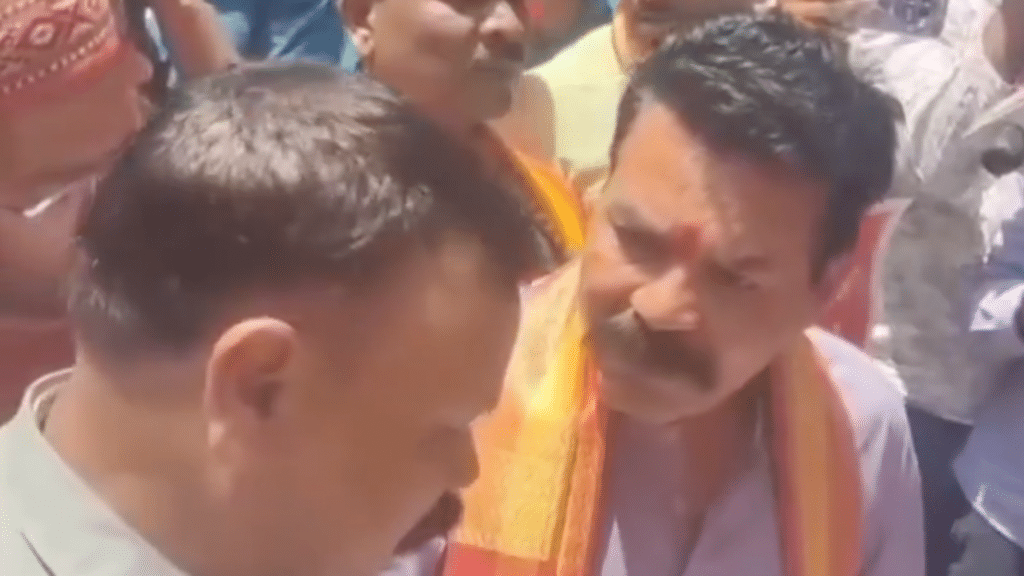
A controversy has emerged in Bhopal involving Permali Wallace, a wood products manufacturer, following allegations that it restricts employees from wearing Hindu religious symbols such as kalawa, sindoor, bindi, tilak, and mangalsutra. The claims have triggered widespread concern, with many criticizing the company for being overly restrictive and limiting employees’ ability to express their religious identity. The situation intensified after members of Bajrang Dal staged a protest outside the company’s factory, raising slogans and demanding an immediate revision of the alleged policy. Videos of the demonstration have been widely circulated on social media, further fueling public attention and debate. Despite the growing backlash, the company has not yet issued any official response to the allegations. The incident has sparked a broader discussion around workplace regulations, employee rights, and the need to strike a balance between organizational policies and individual freedoms. As the issue continues to gain traction, many in Bhopal are closely watching how the company addresses the situation.