
Abu Bakar accused of forging documents for ration & MGNREGA
A case of alleged welfare fraud has emerged from Dehradun, where a man identified as Abu Bakar is accused of forging address documents to illegally obtain government benefits. According to reports, Abu Bakar, who had recently arrived in the area, allegedly created fake residency papers to pose as a local resident. Using these documents, he is said to have secured ration benefits in the names of 14 non-existent beneficiaries. He is also accused of fraudulently claiming wages under the Mahatma Gandhi National Rural Employment Guarantee Act (MGNREGA), raising concerns about possible loopholes in the system. The case has prompted questions from local residents and activists, who are asking how the accused was able to obtain documents and access welfare schemes so quickly after moving to the city. The incident has sparked wider concerns about the misuse of public distribution systems and employment guarantee programmes intended for genuine beneficiaries. Police in Uttarakhand have launched an investigation, with officials reviewing records, verifying the identities of the listed beneficiaries, and examining whether others may be involved. Authorities have stated that strict action will be taken if the allegations are proven. The case highlights potential gaps in welfare delivery mechanisms and underscores the need for stronger verification processes to prevent fraud in the future.
Pak senator praises SP & AAP for criticizing Modi after Pahalgam
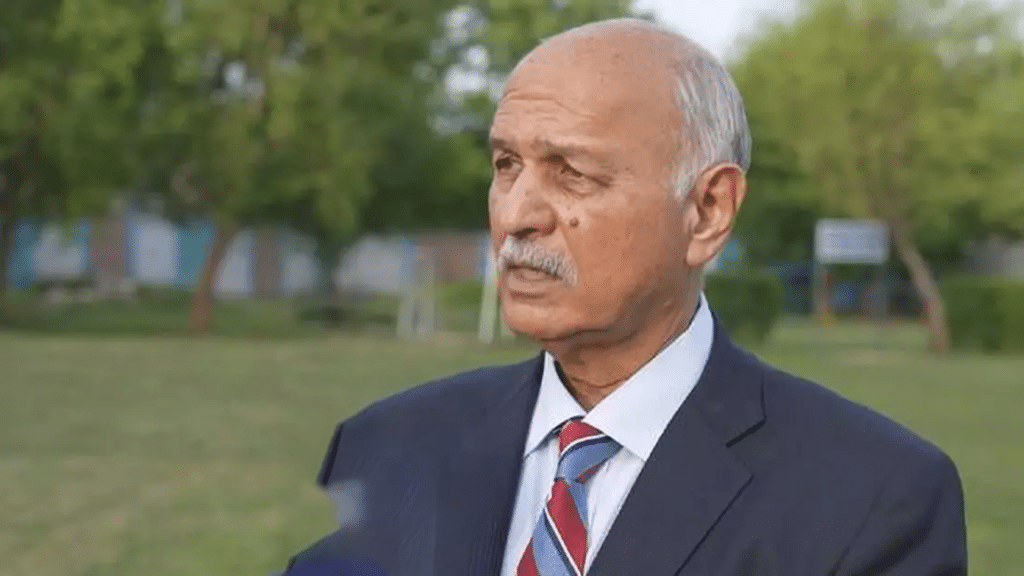
A significant political moment unfolded in Pakistan’s Parliament when Senator Saifullah Abro made remarks that drew widespread attention. Speaking in the Senate of Pakistan, he praised India’s Aam Aadmi Party (AAP) and Samajwadi Party (SP) for criticizing the government led by Prime Minister Narendra Modi following the recent Pahalgam terror attack. The attack, which took place in the tourist town of Pahalgam in Jammu and Kashmir, claimed 26 lives and triggered widespread grief and outrage across India. In the aftermath, opposition parties questioned the government’s handling of security and intelligence, leading to differing political responses. Abro’s remarks highlighted these internal political reactions in India and were widely shared on social media, drawing mixed responses. While leaders across India unanimously condemned the attack and expressed solidarity with the victims, their political positions varied. Some observers also found it unusual that such commentary on India’s domestic politics was made in Pakistan’s Senate, suggesting it may have been intended to highlight divisions within India’s political landscape. The episode reflects how major security incidents in the region often carry cross-border political implications. Meanwhile, Indian authorities continue to investigate the attack, working to identify those responsible and prevent similar incidents in the future.
Woman threatens to behe*d PM Modi if he enters temple
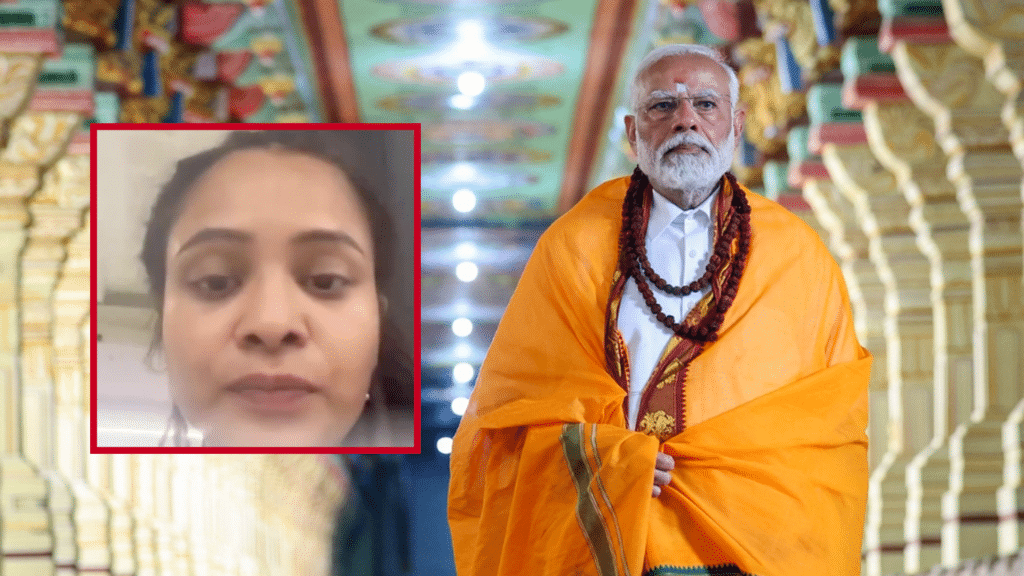
A video circulating widely on social media has sparked public anger after a woman was seen allegedly threatening Prime Minister Narendra Modi. In the clip, she is heard saying she would “cut off his head” if he entered a temple, remarks that have drawn sharp criticism from many quarters. While the exact location and context of the video remain unverified, it has rapidly gained traction online, prompting widespread reactions. Many users have called for strict legal action, arguing that such statements go beyond the limits of free speech and amount to serious criminal offences, including threats to life and intimidation. Legal experts point out that issuing threats of violence against any individual—especially a public figure—can invite stringent charges under Indian law. Several voices have urged authorities to identify the woman and take appropriate action to ensure accountability. The incident has also raised concerns about the increasing use of inflammatory language in public discourse, particularly during politically sensitive periods. Although authorities have not yet issued an official statement, the video continues to spread, intensifying calls for a swift response.
“If TMC wins, we’ll feed green rasogollas to Modi”: Muslim woman
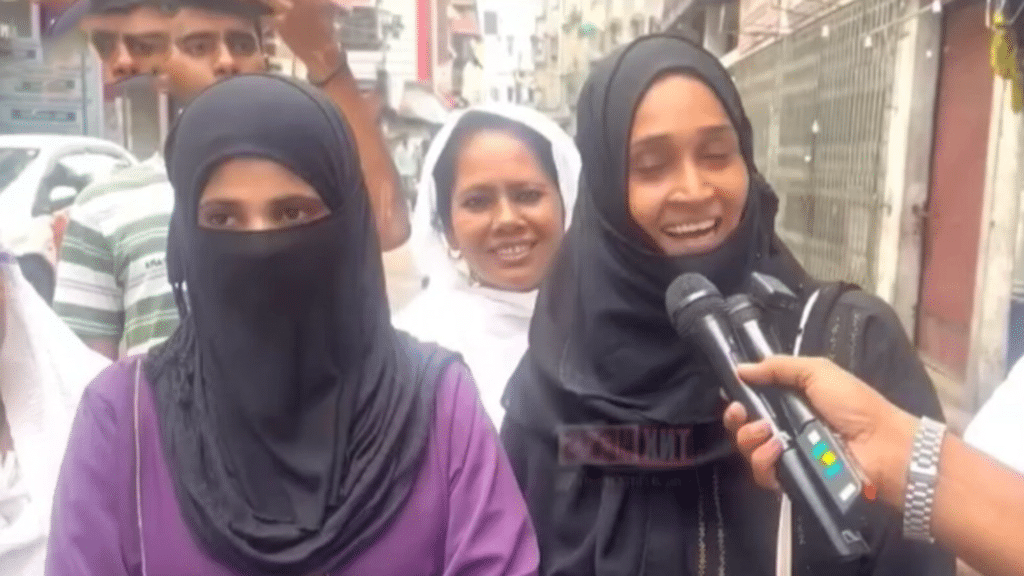
A video circulating widely during the 2026 West Bengal Assembly elections has drawn significant attention for blending political messaging with sharp rhetoric. In the clip, a woman supporter of the All India Trinamool Congress (TMC) says that if her party wins, they will celebrate by offering “green rasogollas” to Prime Minister Narendra Modi. The remark was made during a street interaction and has since gone viral. The statement reflects the heightened political contest between the TMC and the Bharatiya Janata Party (BJP). The reference to “green rasogollas” carries symbolic meaning, as green is closely associated with the TMC, while the rasogolla itself is a well-known Bengali sweet. By combining the two, supporters are turning a cultural staple into a form of political expression. Such moments highlight how electoral politics in West Bengal often intertwine with local culture and public sentiment. As campaigning intensifies, viral videos like this continue to underline the emotional and deeply personal nature of political engagement in the state, where symbolism, identity, and voter connection play a central role.