
Muthumari Amman temple priests fight over pooja rights

A major clash erupted at the Thayamangalam Muthumariamman Temple in Tamil Nadu’s Sivagangai district over the right to perform pooja rituals at the shrine. The temple is a prominent place of worship in the region and attracts large numbers of devotees during festivals and special occasions. The dispute reportedly began when priest Muthukumar and his relatives got into a heated argument inside the temple premises over hereditary rights linked to conducting the daily pooja rituals. The disagreement soon escalated into a physical altercation, creating panic among devotees present at the temple. Eyewitnesses described the incident as chaotic, with several people recording videos and photographs that later surfaced on social media. The visuals showed tense scenes unfolding inside the temple complex, drawing widespread attention online. Police later arrived at the spot to bring the situation under control and restore order. Authorities are now investigating the incident and examining the circumstances that led to the confrontation.
“Sanatana must be eradicated”: Udhayanidhi Stalin in TN Assembly

A major controversy erupted in the Tamil Nadu Legislative Assembly after Opposition leader Udhayanidhi Stalin called for the eradication of Sanatana Dharma during a packed Assembly session. Newly sworn-in Chief Minister Vijay was present in the House but did not publicly respond to the remarks. The statement quickly sparked political backlash and renewed debate over Dravidian ideology, secularism, and Hindu identity in Tamil Nadu. Critics accused Udhayanidhi Stalin of targeting Hindu traditions and sentiments, while his supporters argued that his comments were aimed at caste discrimination and social inequalities associated with the Sanatana system. At the same time, Chief Minister Vijay’s silence during the controversy has also come under scrutiny, with many closely watching how his government chooses to address the growing debate. The controversy comes amid wider national discussions around religion, identity, and ideological politics in India.
“We know how to teach India a lesson”: Humayun Kabir
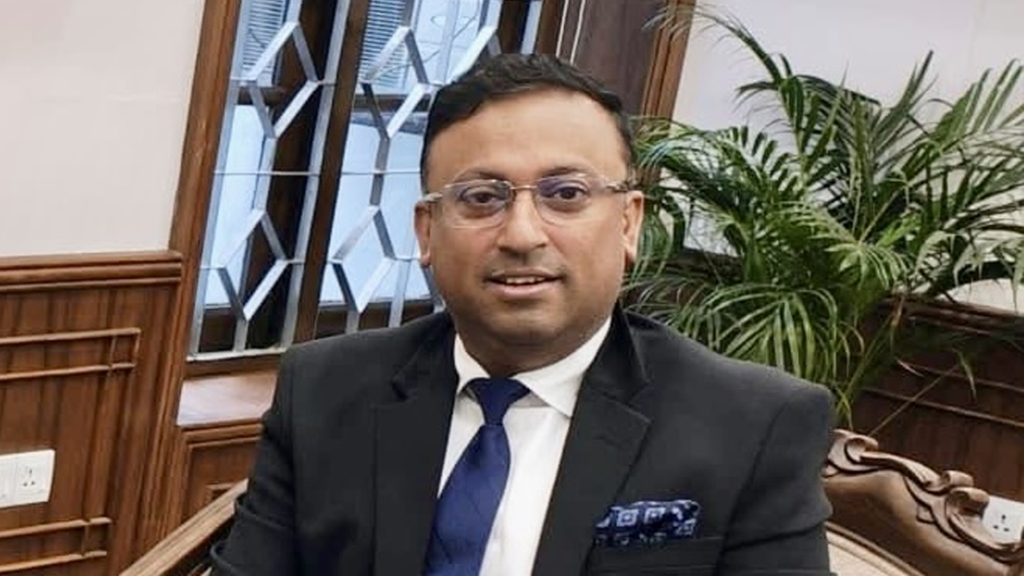
Bangladesh adviser Humayun Kabir made strong remarks about India during a public speech, claiming that Bangladesh “knows how to teach India a lesson” and has “plans” and “techniques” to defeat India. Addressing supporters at a gathering, Kabir said, “We know how to teach India a lesson. We know the techniques. We have plans to defeat India.” Clips from the speech quickly spread across social media, drawing attention and reactions from political observers and the public. The comments come amid heightened political rhetoric and sensitive regional dynamics between India and Bangladesh. Critics described the remarks as inflammatory and irresponsible, warning that such statements could impact diplomatic relations. Supporters, however, argued that Kabir was using strong political rhetoric to rally his audience. Kabir did not elaborate on the meaning of the alleged “plans” or “techniques,” and no further clarification was issued following the speech. The Indian government had not officially responded to the remarks at the time of reporting. The speech has renewed discussions around regional diplomacy, political messaging, and the effect of aggressive rhetoric on ties between neighboring countries in South Asia.
Pakistan uses bot farms to manipulate social media
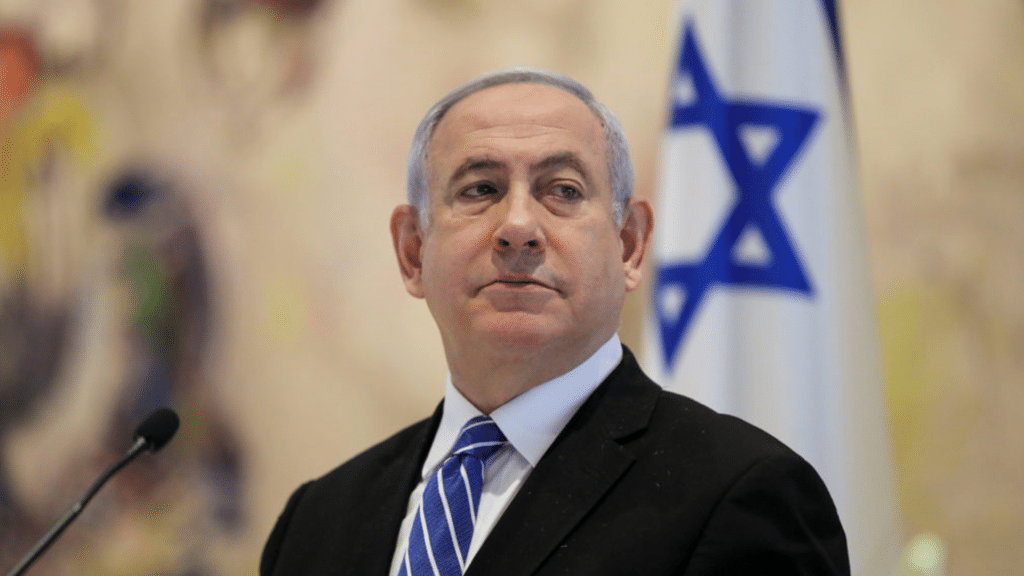
Israeli Prime Minister Benjamin Netanyahu has claimed that Pakistan is among the countries allegedly operating large-scale “bot farms” aimed at influencing online discourse and reducing American public support for Israel. During a recent interaction, Netanyahu alleged that these coordinated networks use fake American identities to spread anti-Israel content across social media platforms. He said the campaigns are designed to shape public opinion surrounding the Middle East conflict and weaken Western backing for Israel. While Netanyahu did not present direct evidence to support the allegations, he warned that Israel and its allies are increasingly confronting organized digital influence operations on major online platforms. According to him, tactics such as artificial amplification, fake accounts, and coordinated messaging campaigns are becoming a serious threat to public discourse in the digital space. His remarks come amid growing global concern over misinformation, foreign influence campaigns, and the impact of social media on international conflicts. Pakistan had not issued an official response to Netanyahu’s allegations at the time of reporting.