
PM Modi’s UAE visit secures over $5 Billion investment push
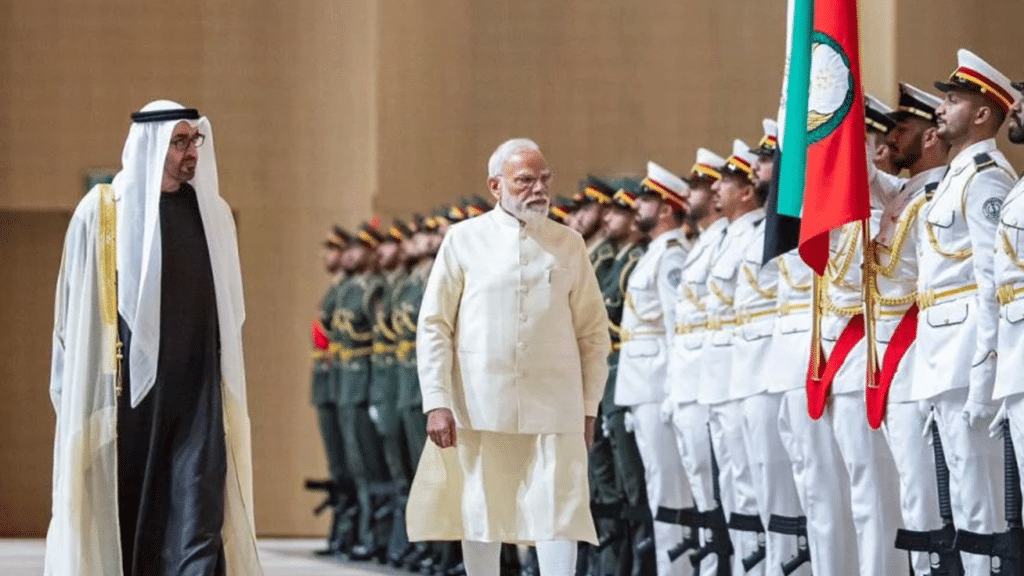
Prime Minister Narendra Modi’s visit to the United Arab Emirates has led to major investment commitments for India, with UAE-based entities announcing plans to invest more than $5 billion across key sectors of the Indian economy. One of the key announcements came from Emirates NBD, which pledged $3 billion towards India’s banking and financial sector. The move is being seen as a sign of growing international confidence in India’s economic growth and financial ecosystem. The investment is expected to enhance cooperation between Indian and UAE financial institutions while boosting cross-border business activity. In another major development, the Abu Dhabi Investment Authority (ADIA) announced a $1 billion infrastructure investment partnership with the National Investment and Infrastructure Fund (NIIF). The partnership will support infrastructure projects across sectors such as transport, logistics, energy and urban development. The announcements are being viewed as a significant boost to India-UAE economic ties, which have expanded rapidly in recent years through increasing trade, investment and strategic cooperation. Officials believe the fresh investments will help strengthen India’s infrastructure, support the financial sector and create long-term economic opportunities. Prime Minister Modi’s visit also highlighted the deepening strategic and economic partnership between New Delhi and Abu Dhabi, with both countries continuing to expand collaboration in areas including energy, technology, infrastructure and investment.
UAE to store up to 30 million barrels in India’s oil reserves
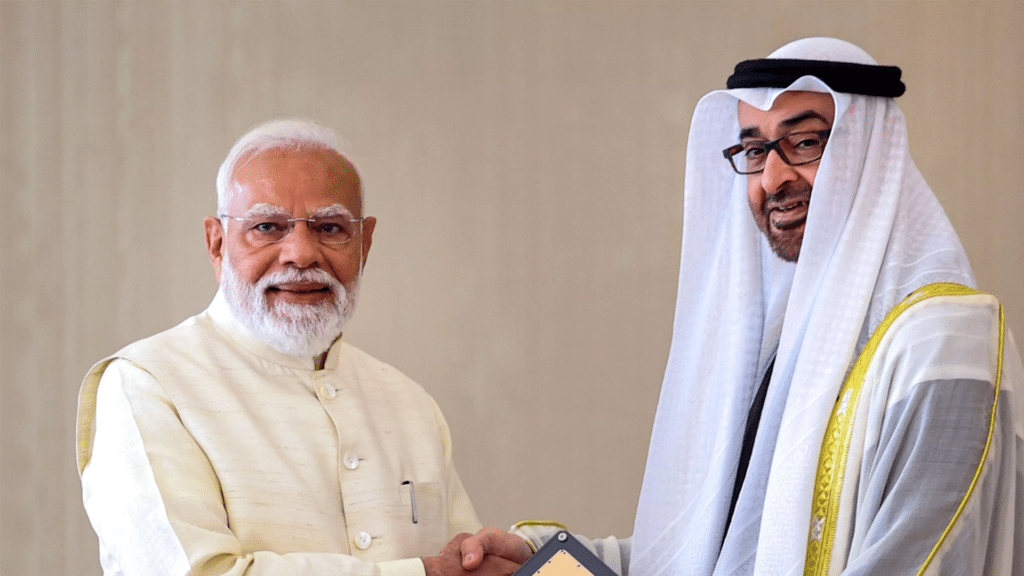
India and the United Arab Emirates have signed a major energy agreement following Prime Minister Narendra Modi’s visit to the Gulf nation. Under the deal, the UAE will store up to 30 million barrels of crude oil in India’s strategic petroleum reserves. The agreement is being viewed as an important step towards strengthening India’s long-term energy security, especially amid rising instability in West Asia and concerns over possible disruptions in global crude oil supplies. As part of the arrangement, crude oil from Abu Dhabi will be stored in India’s emergency petroleum reserve facilities, enabling faster access to supplies during market disruptions or international crises. The pact is also expected to deepen energy cooperation between India and the UAE, one of India’s key oil suppliers. Officials believe the agreement will help India prepare for sudden increases in global oil prices and potential supply interruptions caused by regional conflicts or shipping disruptions. The development comes at a time when uncertainty in West Asia continues to affect global energy markets. India and the UAE have significantly expanded cooperation in recent years across sectors such as energy, infrastructure, trade and investment. The latest oil storage pact further highlights the growing strategic partnership between New Delhi and Abu Dhabi, while reinforcing India’s efforts to secure stable and reliable energy supplies for the future.
Indore high court declares disputed Bhojshala site as Hindu temple
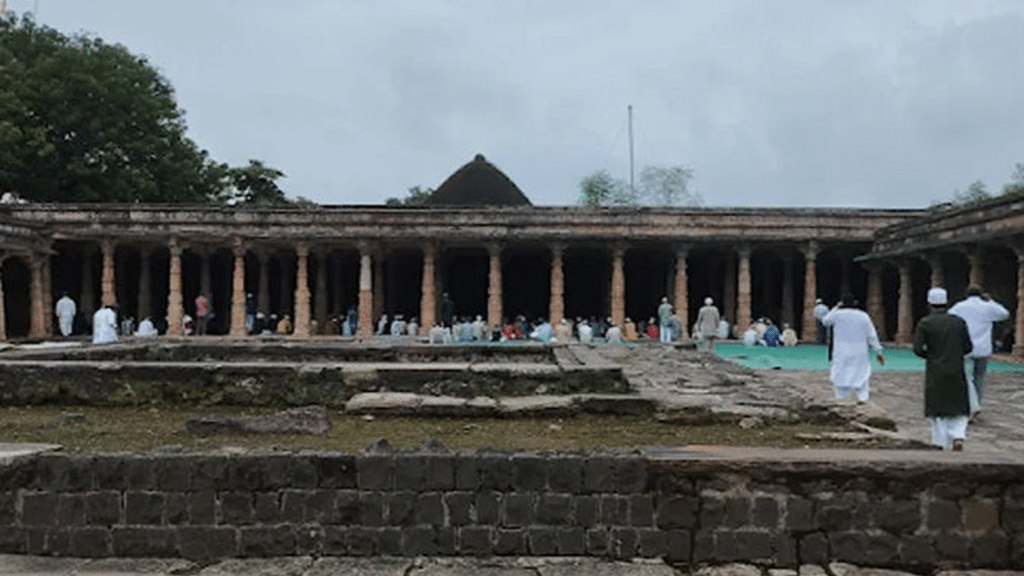
The Indore High Court has delivered a major ruling in the long-standing dispute over Bhojshala, declaring the complex to be a Hindu temple dedicated to Maa Saraswati and Maa Vagdevi. The judgment is being viewed as a significant development in cases involving historic religious sites in India. Advocate Vishnu Shankar Jain termed the verdict a landmark decision and compared its importance to developments following the Ram Mandir verdict. According to him, the court accepted arguments that Bhojshala historically functioned as a centre of Sanskrit learning and Hindu worship. Jain stated that the High Court recognised the Bhojshala complex as a Hindu temple and granted Hindus exclusive rights to worship at the site. He also said the court ruled that the arrangement allowing Friday namaz at the premises was unlawful. The Bhojshala site in Dhar has remained at the centre of a prolonged dispute, with Hindus identifying it as an ancient temple of Goddess Saraswati, while sections of the Muslim community have regarded it as the Kamal Maula Mosque. The issue has led to repeated disagreements over worship rights and access to the premises. The verdict is expected to have broader social and political implications, especially amid ongoing debates surrounding historical religious structures and ownership claims in India. Many observers believe the ruling could influence discussions and legal battles over similar disputed sites in the future.