
Slovak nationals sing ‘Vande Mataram’ to welcome PM Modi in Bratislava

Prime Minister Narendra Modi received a warm welcome in Bratislava, where members of the Lúčnica Ensemble performed India’s national song, “Vande Mataram,” at his hotel. The performance was part of the traditional Slovak reception organized in his honour. The welcome ceremony included several Slovak customs, with the Prime Minister being presented with bread and salt, a traditional symbol of hospitality, friendship, and goodwill. Local folk dance groups also performed, showcasing Slovakia’s rich cultural heritage and reflecting the growing warmth in relations between India and Slovakia. The visit is particularly significant as it marks the first visit by an Indian Prime Minister to Slovakia since the country gained independence in 1993. During his stay, PM Modi is expected to hold discussions with Slovak leaders on strengthening cooperation in areas such as trade, investment, innovation, and automobile manufacturing. The rendition of “Vande Mataram” by the Lúčnica Ensemble was seen as a gesture of respect towards India and a reflection of the deepening cultural and diplomatic ties between the two nations. Both countries are looking to expand their partnership and explore new avenues of cooperation. PM Modi’s visit to Slovakia is being viewed as an important milestone in India-Slovakia relations, with the potential to further strengthen bilateral engagement across multiple sectors.
India becomes world’s longest road network
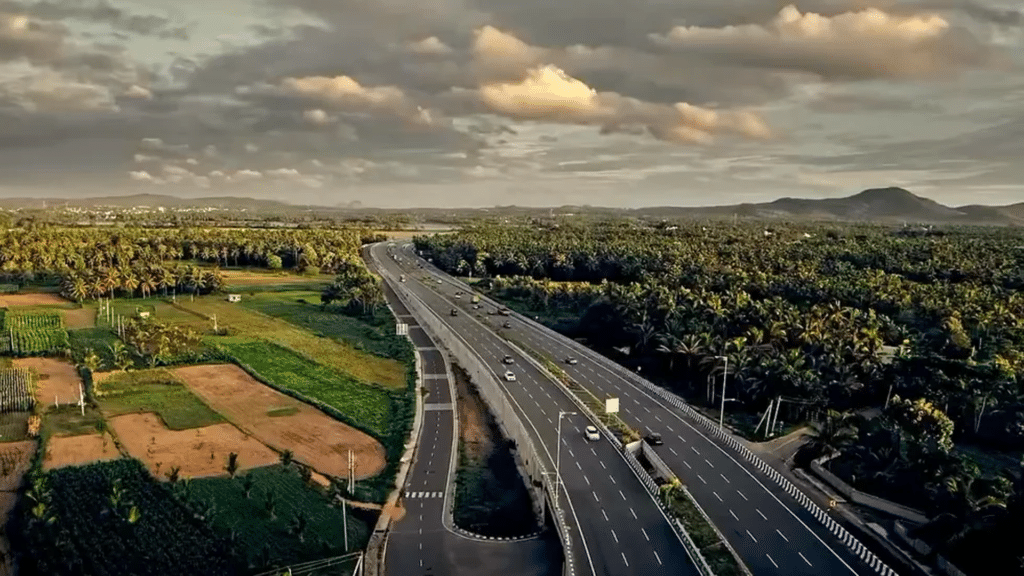
India is now home to the world’s longest road network, spanning approximately 6.7 million kilometres and surpassing both the United States and China. The country’s road infrastructure has expanded significantly in recent years, driven by major investments in highways, rural roads, expressways and economic corridors. These projects have strengthened connectivity between urban and rural areas, making the movement of people and goods more efficient. The expansion has been supported by coordinated efforts between the central and state governments. India has also accelerated the development of key transport infrastructure through national highway projects, greenfield expressways and rural connectivity programmes. Improved road networks have helped boost trade, shorten travel times and enhance access to previously remote regions. Experts say the growth of the road network is critical to India’s economic development, as road transport remains the primary mode of movement for both passengers and freight. Better connectivity is also expected to support industrial growth, tourism and greater regional integration. With a total road length of around 6.7 million kilometres, India now possesses the largest road network in the world, reflecting the country’s continued focus on infrastructure development and nationwide connectivity.
“K’taka receives 76% more funds in one year”: Nirmala Sitharaman
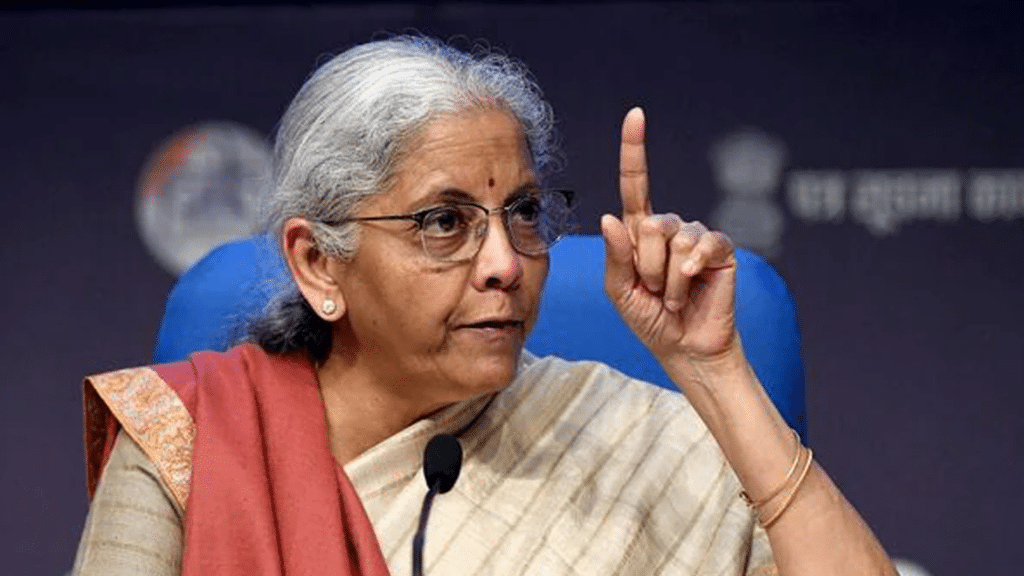
Union Finance Minister Nirmala Sitharaman on Sunday dismissed allegations by the Karnataka government that the Centre has been withholding funds, asserting that the state is receiving substantially higher financial support under the current dispensation than it did during the UPA era. Addressing concerns over tax devolution and central assistance, Sitharaman said Karnataka is slated to receive ₹63,000 crore in tax devolution in the 2026–27 financial year. She noted that this single-year allocation is 76% higher than the total tax devolution the state received during the entire 10-year tenure of the UPA government between 2004 and 2014. The Finance Minister accused the Congress-led state government of presenting a misleading narrative regarding Centre-state financial relations. Citing official figures, she said central transfers to Karnataka have witnessed a significant rise since 2014. According to Sitharaman, Karnataka received nearly ₹4 lakh crore in tax devolution between 2014 and 2026, compared to about ₹82,000 crore during the UPA’s decade in office. She further highlighted that grants-in-aid to the state increased from around ₹60,000 crore under the UPA government to approximately ₹2.71 lakh crore during the tenure of the Narendra Modi-led government. She also pointed to the Centre’s support for infrastructure development, noting that Karnataka has received nearly ₹18,000 crore under the Special Assistance to States for Capital Investment scheme, which offers 50-year interest-free loans for capital expenditure projects. Reaffirming the Centre’s commitment to cooperative federalism, Sitharaman said the Union government continues to support states through tax devolution, grants, and capital investment assistance. She urged stakeholders to rely on official data and factual assessments while discussing Centre-state financial relations, emphasizing the need for constructive cooperation between the Union and state governments.
“5,000 illegal B’deshi infiltrators deported”: Suvendu Adhikari
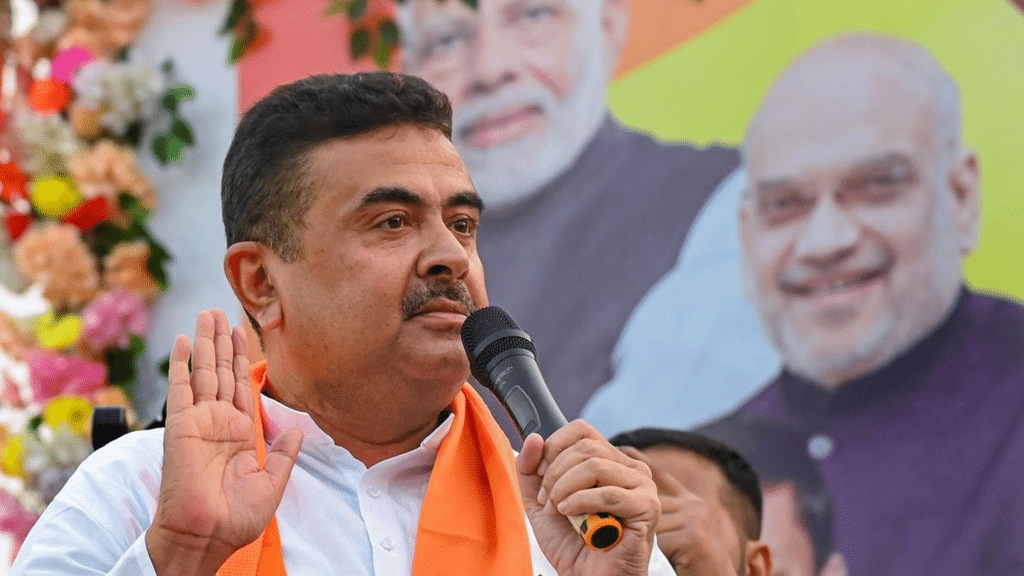
West Bengal Chief Minister Suvendu Adhikari on Sunday stated that nearly 5,000 illegal Bangladeshi immigrants have been deported from the state over the past month as part of the government’s “Detect, Delete, Deport” initiative. He further revealed that 836 more individuals are currently awaiting deportation and are being housed in district-level holding centres across the state. According to Adhikari, the West Bengal government has established holding facilities in every district to accommodate suspected illegal immigrants while their identities and nationality are being verified. Once the verification process is completed, the individuals are repatriated to their country of origin. The Chief Minister said that between 4,800 and 5,000 people have already been sent back to Bangladesh, while arrangements are underway to deport those who remain in the holding centres. The “Detect, Delete, Deport” campaign aims to identify illegal immigrants, remove their names from official records where applicable, and facilitate their deportation. As part of the initiative, district authorities have been directed to maintain holding centres for foreign nationals awaiting repatriation. The government says the measure is intended to curb illegal immigration and strengthen border security. The deportation drive has drawn attention on both sides of the India–Bangladesh border, with authorities closely monitoring the situation and continuing discussions on repatriation procedures and border management.