
Akal Takht declares Bhagwant Mann ‘Khalsa Panth Virodhi’
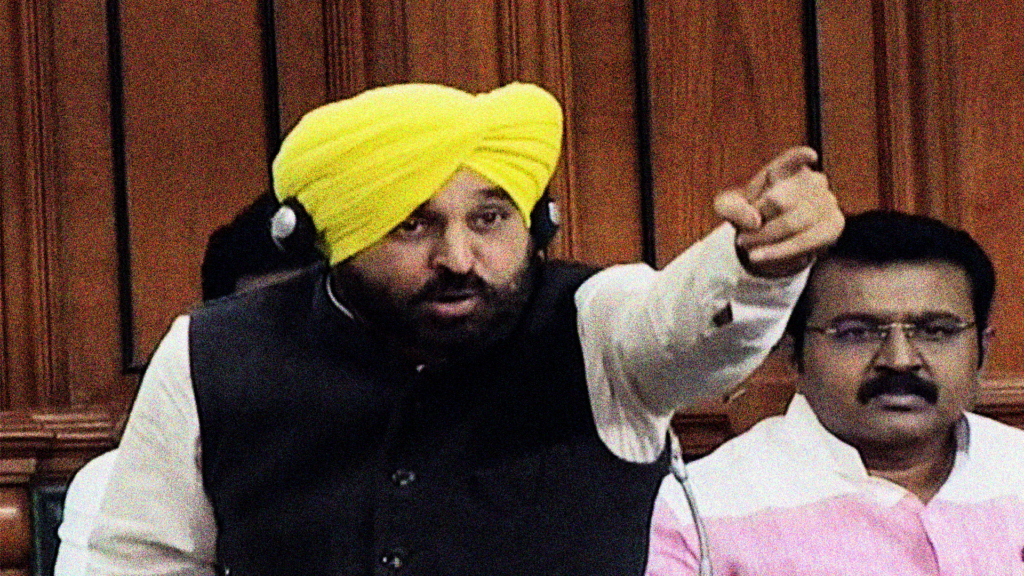
The Akal Takht, the highest temporal authority of Sikhism, has declared Punjab Chief Minister Bhagwant Mann a “Guru Dokhi” (one who disrespects the Guru) and “Khalsa Panth Virodhi” (opposed to the Khalsa Panth) over an alleged sacrilege video that it says hurt Sikh religious sentiments. The decision was announced after a meeting of Sikh high priests in Amritsar. The Akal Takht accused Mann of conduct that it believes was disrespectful to Sikh traditions and urged members of the Sikh community to distance themselves from him. Sikh clergy also stated that forensic examinations found the viral video to be authentic and not generated using artificial intelligence. They further alleged that Mann misled the Akal Takht regarding the video’s authenticity. The religious body has summoned Sikh MLAs and members of the Punjab Cabinet to appear before it later this month to discuss the issue. The Aam Aadmi Party (AAP), led by Mann, has strongly rejected the declaration, describing it as politically motivated. Party leaders argue that while the video may be genuine, it does not conclusively establish the identity of the individual seen in the footage. AAP has also accused the Shiromani Akali Dal and the Badal family of attempting to use religious institutions for political advantage and maintains that the allegations against the chief minister remain unproven. The controversy has intensified political tensions in Punjab, with opposition parties demanding accountability from Mann while AAP continues to challenge the accusations. The Akal Takht’s decision is expected to have significant political and social ramifications in the state, particularly as Punjab moves closer to future electoral contests.
Iran protesters rally outside World Cup match, condemn FIFA’s ban
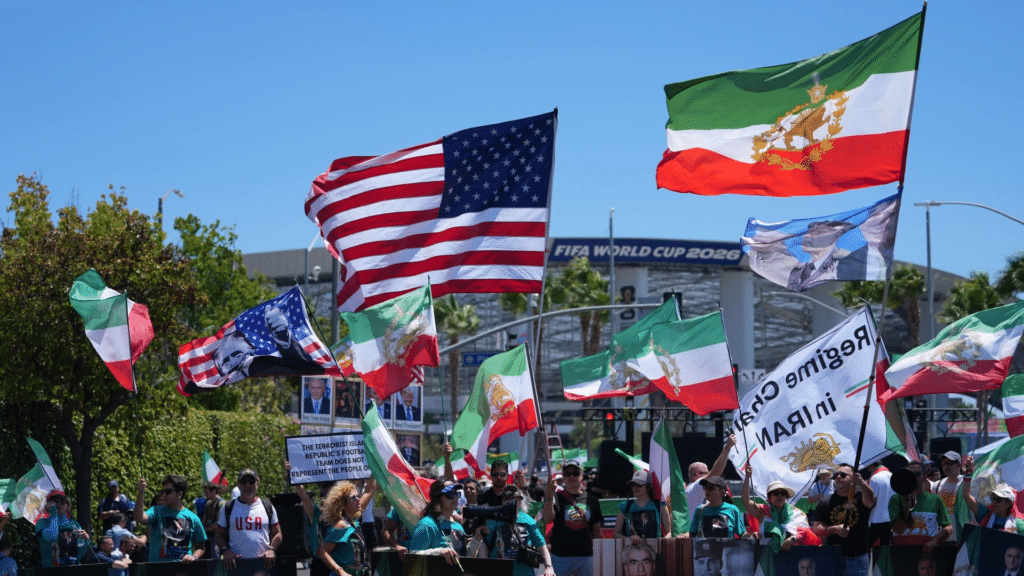
Hundreds of anti-government demonstrators gathered outside Los Angeles Stadium on Monday during the FIFA World Cup match between Iran and New Zealand, using the global sporting event as a platform to voice opposition to Iran’s leadership and protest FIFA’s restrictions on the pre-1979 Lion and Sun flag. Protesters waved the historic flag, carried banners, and chanted slogans calling for political change in Iran, while urging greater recognition of a symbol many members of the Iranian diaspora regard as an important part of the country’s heritage and identity. The demonstration highlighted divisions within the Iranian-American community over Iran’s participation in the World Cup. Protesters accused Tehran of using the tournament to improve its international image and called on FIFA to take a stronger stance against the Iranian government. Many also criticized FIFA’s decision to prohibit the Lion and Sun flag inside stadiums, arguing that it represents Iran’s history and culture rather than any specific political movement. The tensions surrounding the issue were also evident inside the stadium, where some fans displayed symbols associated with opposition groups and reactions during the Iranian national anthem reflected the broader political debate. Despite the controversy off the field, the match itself ended in a 2-2 draw between Iran and New Zealand. The Lion and Sun flag, Iran’s national flag before the 1979 Islamic Revolution, remains a powerful emblem for many members of the Iranian diaspora and opposition activists. Its prominent display during the World Cup protests underscored how the tournament has become a stage not only for football but also for wider discussions about Iran’s politics, identity, and cultural heritage.