
The Giant Leap That Changed Our World
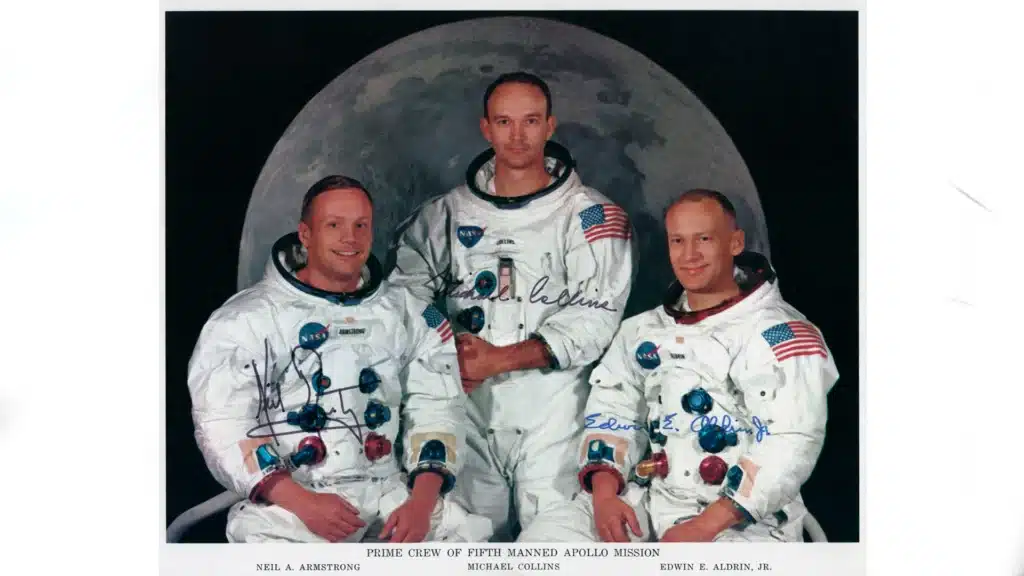
The Cold War Arena of Space The competitive tension between major global powers drove rapid scientific advancements during the middle of the twentieth century. Soviet Union satellite launches shocked Western nations and triggered a massive national mobilization within the United States government. President John Kennedy delivered a historic speech declaring that America must reach the lunar surface very quickly indeed. Massive federal funding flowed directly into research centers to build the highly necessary infrastructure for this cosmic quest. This bold political decision transformed modern science and paved the way for humanity to leave its home planet. Thousands of dedicated workers built launching pads and tracking stations across the globe to support the lunar program. The intense rivalry ensured that the program received consistent political backing and almost unlimited resources for its development. Both nations strove to demonstrate their superior technological capabilities to a watching world through spectacular cosmic achievements. Every successful launch brought immense pride while failure meant global embarrassment under the relentless spotlight of international news. The ultimate destination was clear as scientists focused all their efforts toward landing a human on the moon. Building the Colossal Saturn V Engineers designed a towering three stage rocket capable of escaping the strong gravitational pull of our home planet. The Saturn five rocket stood taller than many metropolitan buildings and weighed several millions of pounds at launch. Brilliant scientists tested the giant rocket engines repeatedly to guarantee they would perform safely during the actual flight. Countless private companies manufactured highly precise components that required absolute perfection to prevent any catastrophic failures in space. The manufacturing process demanded clean rooms and strict quality controls that pushed the limits of manufacturing technology forward. Massive transport ships moved the huge rocket stages from fabrication facilities in Louisiana to the launch site. Skilled technicians assembled the giant components inside the massive Vehicle Assembly Building at the Florida space center. Every electrical connection underwent extensive testing because a single short circuit could easily doom the entire mission. The launch vehicle represented the pinnacle of industrial production and mechanical engineering during this remarkable historical era. No rocket of this scale had ever been conceived let alone built and successfully launched by human hands. The Chosen Crew of Destiny NASA selected three veteran astronauts who possessed exceptional piloting skills and calm temperaments for this dangerous journey. Commander Neil Armstrong had previously flown in the Gemini program and possessed deep experience with critical flight emergencies. Buzz Aldrin was a brilliant doctoral graduate whose expertise in orbital rendezvous maneuvers proved invaluable to the mission. Command module pilot Michael Collins completed the crew and took responsibility for navigating the main spacecraft back home. These three men trained for many exhausting hours inside sophisticated simulators to prepare for every possible contingency. They practiced emergency exit procedures and survival techniques in deep water to ensure safety after their final splashdown. The crew developed a strong bond of mutual trust and professional respect during their long months of preparation. Their faces became famous worldwide as journalists documented their personal lives and intense training schedules for eager readers. Each astronaut understood the incredible risks involved but remained fully committed to the ultimate success of the program. They carried the hopes and dreams of all mankind as they prepared to depart from the earth forever. Tragedy and Triumph in Training The road to the lunar surface was paved with extreme difficulties and the tragic loss of human life. A devastating fire during a routine launchpad test killed three brave astronauts during the early Apollo one mission. This sobering tragedy forced NASA to completely redesign the spacecraft cabin to prioritize astronaut safety above all else. Engineers replaced flammable materials with safer alternatives and designed a quick opening hatch for rapid emergency escapes. Subsequent uncrewed test flights proved that the redesigned systems could withstand the harsh environment of outer space. The agency maintained a relentless focus on safety while rushing to meet the strict end of decade deadline. Every manager and technician worked under immense pressure knowing that another failure could cancel the entire program permanently. Rigorous quality control inspections became standard procedure at every manufacturing facility across the entire United States nation. The lessons learned from early failures ultimately enabled the successful landing of the historic Apollo eleven mission. Human resilience and engineering excellence triumphed over adversity to make the impossible dream a real physical possibility. The Historic Launch at Cape Kennedy On July sixteenth nineteen sixty-nine the eyes of the entire world turned toward the sunny Florida coast. Warm morning sunshine bathed the giant Saturn five rocket as it stood proud upon its launching platform. Over one million spectators gathered along nearby beaches and highways to witness this historic event with their eyes. The astronauts ate a traditional breakfast before donning their bulky white spacesuits with help from technical support. They rode the transfer van to the launchpad and rode the elevator up to the high cabin entrance. Technicians strapped the crew into their seats and sealed the heavy hatch as the countdown clock ticked down. The final minutes passed in tense silence as computer systems took control of the complex launch sequence automatically. Five massive engines ignited with a spectacular flash of fire that turned water into giant clouds of steam. The rocket rose slowly into the clear sky carrying the hopes of humanity toward the unknown cosmic frontier. A powerful roar swept across the landscape shaking buildings and filling spectators with a sense of profound awe. The Long Voyage Across the Deep After entering earth orbit the third stage engine fired again to propel the spacecraft toward the distant moon. This critical maneuver accelerated the vehicle to over twenty five thousand miles per hour to break free safely. The crew separated their command module and turned around to extract the lunar lander from its protective housing. This delicate orbital docking maneuver required absolute precision to avoid damaging the fragile docking mechanism of the ships. The combined spacecraft then began their long coast across