
A Case Against Immigration
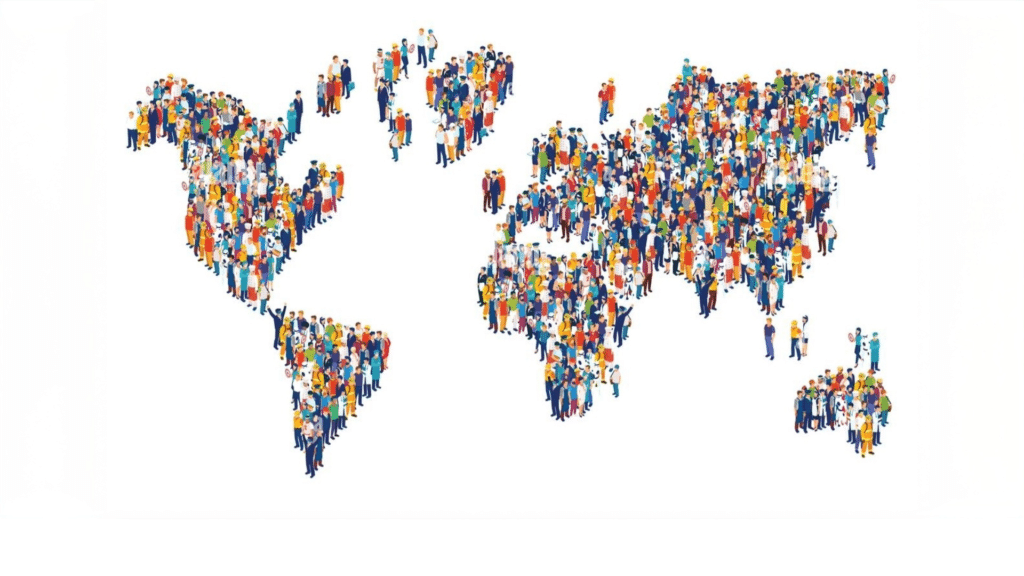
Challenging mass immigration: cultural clashes, failed multiculturalism, and the erosion of national identity and social cohesion.
The Streets That Shape History
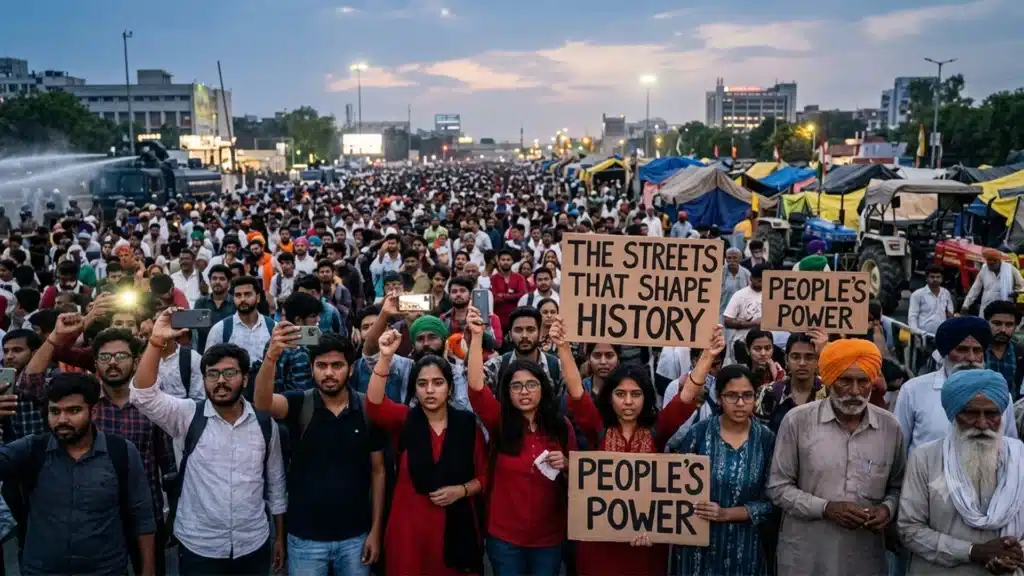
Imagine thousands of angry students filling freezing city streets at dawn. Picture young activists raising homemade signs against armed riot police. Think of furious citizens blocking highways, or courageous women reclaiming the night. These scenes keep playing out, over and over, across the globe. They tie the legendary marches of the past directly to today’s high-intensity street movements. When millions flood the pavement, a heavy question hangs over the tear gas. Can ordinary people genuinely force ruthless governments to surrender power? Or do street protests simply generate short-term noise before fading into forgotten history? Why Do People Protest? Protests don’t erupt overnight out of thin air. They’re the boiling point of deep frustration, suppressed for far too long. Citizens take to the streets when voting, petitions, and courts fail them completely.These uprisings rarely come with warning. They build quietly in homes and classrooms for months, sometimes years, before erupting into open defiance. When official promises crumble, voting starts to feel like an empty ritual. When elites stop listening, peaceful petitioning starts to feel like begging. Protest becomes the emergency brake of a free society, the last resort to force attention. Look at the youth led demonstrations at Delhi’s Jantar Mantar this year. Tens of thousands gathered under the banner of the Cockroach Janta Party. They were protesting exam paper leaks and systemic corruption inside state testing agencies. The party’s name traces back to a Supreme Court remark comparing unemployed youth to “cockroaches.” That comment struck a nerve nationwide the moment it was reported. What started as satire quickly became a serious political force. A young activist named Abhijeet Dipke founded the party within days of the CJI’s remark. It started half as a joke, a post asking what would happen if all the “cockroaches” came together. The joke didn’t stay a joke for long. Within weeks, the movement had drawn hundreds of thousands of members and millions of followers online. Institutional safeguards had failed to protect years of hard work and sacrifice. Furious students turned the historic heart of the capital into an epicenter of public anger. The Last Courtroom for the Voiceless People march to demand economic survival, educational integrity, and basic rights. They fight corruption, corporate greed, and state negligence. They organize to protect their cultural identities, workplace safety, and labor rights. When daily life becomes unbearable, taking a risk stops feeling optional. The street becomes the last courtroom left for the voiceless. Moments that Reshaped Nations History’s biggest turning points were forged by ordinary citizens refusing to obey unjust laws. Indian resistance movements, in particular, have shaped modern global strategies of dissent. Decades before independence, the British brutally suppressed the 1857 Rebellion. That defeat showed the terrible cost of armed uprising against a superior colonial power. Gandhi’s genius was designing a resistance the British could not simply shoot their way out of. Gandhi weaponized moral clarity through disciplined non-violent civil disobedience. In 1930, he set out on his legendary Salt March. He walked nearly 380 kilometers across Gujarat to the coastal village of Dandi. There, he picked up a simple handful of sea salt. That single act broke British law and exposed colonial greed to the world. His fasts and boycotts starved an empire of its legitimacy. That blueprint later inspired civil rights and anti-apartheid movements across continents. In 2011, Anna Hazare launched an anti-corruption hunger strike at Jantar Mantar. It ignited millions of urban Indians almost overnight. The pressure it created reshaped the political landscape and helped birth entirely new political parties. In 2012, the horrific Nirbhaya case sparked nationwide protests almost immediately. Parliament was forced to pass sweeping legal reforms within months. Starting in late 2019, the passage of the Citizenship Amendment Act (CAA) sparked the largest wave of nationwide civil resistance in recent Indian history. From Assam and the Northeast to university campuses like Jamia Millia Islamia and Aligarh Muslim University, millions took to the streets. The movement brought together students, civil rights groups, and ordinary residents across major cities like Delhi, Mumbai, Kolkata, and Bengaluru. Protesters consistently raised copy readings of the Preamble of the Constitution to demand the protection of equal citizenship and secular values. The sheer scale and continuous nature of these demonstrations made it an unforgettable chapter of mass civic mobilization that drew international attention to the power of public dissent. When Persistence Forces Power to Yield Doctors at RG Kar Medical College recently launched hunger strikes of their own. They wanted to expose hospital “threat culture” and demand real workplace safety. Overseas, the militant persistence of British suffragettes won voting rights for women. That victory proved the same global power of sustained mass mobilization. These movements succeeded because they combined moral discipline with real leverage. They made ordinary life impossible for rulers until change actually came. When hope meets reality Not every crowd marches triumphantly into the history books. Plenty of movements collapse into violence, repression, fragmentation, or exhaustion instead. India’s anti-CAA movement lost momentum abruptly when the pandemic forced people indoors in early 2020. During recent student marches, police crackdowns featured water cannons, batons, and sudden internet blackouts. Authorities filed criminal cases against demonstrators, showing how easily state machinery can stall momentum. Sustaining a movement, it turns out, is far harder than starting one. Earlier Indian uprisings faced bitter setbacks too. The 1974 Bihar movement, led by Jayaprakash Narayan, ignited anti-Emergency protests nationwide. It ultimately ended in mass arrests and martial rule. In 1990, anti-Mandal Commission protests dissolved into tragic self-immolations without achieving their goals. Globally, the 1989 Tiananmen Square protests ended in bloodshed when tanks were deployed against student demonstrators. The 2011 Occupy Wall Street movement collapsed without securing any major financial regulation. It lacked clear leadership and any specific, actionable demands. The 2019 Hong Kong protests were eventually crushed under a strict national security law. Meanwhile, several Arab Spring uprisings dissolved into devastating, prolonged civil wars. Protests fail when they lack unified leadership or realistic demands. They falter when repression turns violent and public sympathy