
The Ignited Mind That Lives On: Dr. A.P.J. Abdul Kalam
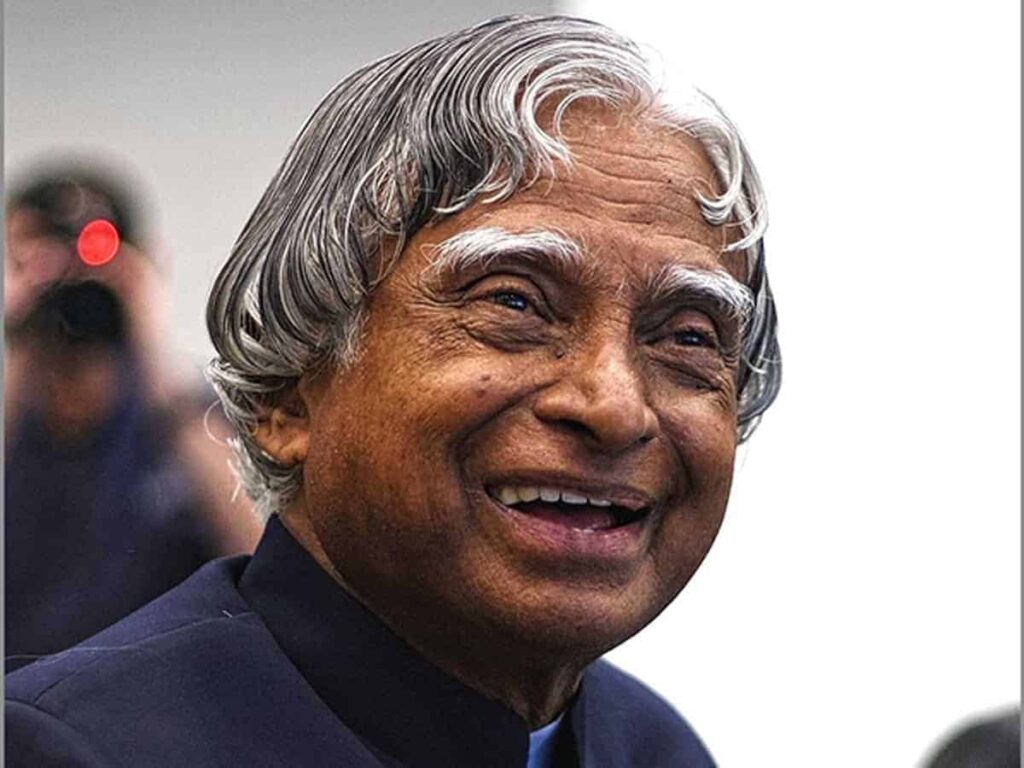
The Passing of a Visionary Statesman July 27 marks a deeply solemn day in the modern history of India. Specifically, it is the death anniversary of Dr. Avul Pakir Jainulabdeen Abdul Kalam. On this day, millions across the nation gather to pay tribute to his enduring legacy. After all, he served as the eleventh President of India and was a beloved scientific visionary. Indeed, people affectionately remembered him as the “Missile Man of India”. Furthermore, he was fondly called the true “People’s President” by citizens from all walks of life. His sudden passing in 2015 created an irreplaceable void across the entire country. Nevertheless, his powerful ideals continue to inspire generations of youth every single day. Therefore, observing this occasion is more than just mourning a great national loss. Ultimately, it serves as an annual pledge to fulfill his golden dream for a developed India. From Rameswaram Shorelines to Aerospace Frontiers Dr. Kalam was born on October 15, 1931, in the coastal town of Rameswaram, Tamil Nadu. Naturally, he grew up in a modest family with very limited financial resources. His father was a humble boat owner who worked tirelessly every day. Consequently, to support his family, young Kalam distributed newspapers after his regular school hours. However, his childhood hardships never deterred his strong thirst for higher knowledge. For instance, he studied under streetlights due to the lack of electricity at home. Later, he successfully graduated with a degree in physics from St. Joseph’s College. Soon after, he pursued aerospace engineering at the prestigious Madras Institute of Technology. Eventually, his lifelong passion for aeronautics shaped the entire trajectory of Indian science. Above all, this modest upbringing instilled deep humility and resilience throughout his life. In fact, he often recalled how his childhood mentor encouraged him to study bird flight patterns. That simple lesson sparked his lifelong interest in high-altitude flight and rocketry. Initially, he faced setbacks when he narrowly missed becoming an Indian Air Force pilot. Instead of losing hope, however, he redirected his talents toward rocket research and development. In this way, his determination proved that personal disappointments could lead to even greater national achievements. Building the Defensive Shield of a Modern Nation Dr. Kalam began his scientific career at the Defence Research and Development Organisation. Subsequently, he transferred to the Indian Space Research Organisation in its early formative years. At ISRO, he successfully directed the development of India’s first indigenous satellite launch vehicle. As a result, in 1980, the successful launch of SLV-III put Rohini into Earth’s orbit. Undoubtedly, this major achievement placed India into an elite group of spacefaring nations. Later, he returned to DRDO to lead strategic missile development programs. There, he masterminded the creation of indigenous missiles such as Agni and Prithvi. Consequently, these advanced systems established strong self-reliance in national defense security. Furthermore, he played a crucial leadership role during the 1998 Pokhran nuclear tests. Overall, his technological breakthroughs transformed India into a recognized global power. Beyond military defense, however, he also used technology to solve real healthcare problems. For example, he co-created a low-cost stent to treat patients with severe heart conditions. In addition, he designed lightweight calipers for children suffering from mobility challenges. Thus, his work proved that complex military engineering could serve compassionate domestic purposes. In addition, he consistently advocated for technological self-reliance to reduce dependence on foreign suppliers. Under his guidance, young scientists learned how to convert difficult obstacles into innovative solutions. Eventually, he transformed DRDO into a powerhouse of high-tech research and national pride. The People’s President in Rashtrapati Bhavan In 2002, Dr. Kalam was elected as the eleventh President of India. Remarkably, he earned unanimous support from political parties across the entire national spectrum. During his tenure, he completely transformed the traditional nature of the presidency. For example, he opened the grand gates of Rashtrapati Bhavan to ordinary citizens. Specifically, schoolchildren, farmers, and young researchers were always his most honored guests. Meanwhile, he strictly avoided personal luxury and lived a remarkably simple life. Notably, he donated his presidential salary to charitable causes supporting underprivileged citizens. Simultaneously, he personally answered letters from young students with immense warmth and encouragement. Because of this, his approachable demeanor earned him widespread affection throughout his five-year term. Indeed, he showed that high office should always be served with selfless humility. Throughout his presidency, he routinely delivered addresses that emphasized youth empowerment and national progress. Moreover, he used the ceremonial office as a active platform to promote education and technology. Consequently, he traveled extensively across the country to interact directly with rural populations. He strongly believed that real progress required improving life quality in remote villages. Ultimately, his presidency redefined how public officials ought to connect with citizens. The Tragic Final Lecture in Shillong On July 27, 2015, Dr. Kalam traveled to Shillong in Meghalaya. Specifically, he was invited to speak at the Indian Institute of Management. His lecture topic was focused on creating a livable planet for humanity. However, while climbing the venue stairs, he experienced brief physical discomfort. Nevertheless, he rested briefly and then walked onto the stage to address the students. Just five minutes into his presentation, he suddenly collapsed on stage. Immediately, he was rushed to Bethany Hospital in extremely critical condition. Despite urgent medical efforts, however, doctors could not revive his failing heart. Consequently, at 7:45 PM, he was officially pronounced dead due to sudden cardiac arrest. Tragically, he left the world while doing what he loved most: teaching young minds. In retrospect, his final hours reflected the absolute dedication that defined his entire professional life. Indeed, he worked tirelessly until his last breath without complaining of physical tiredness. Naturally, students present in the auditorium were deeply moved by his final words. Meanwhile, news of his collapse spread quickly across digital platforms and news channels. Thus, a heavy cloud of grief settled over the nation within minutes. National Grief and State Honors The news of his passing brought widespread sorrow across the entire world. In response, the Government