
Remembering Hiroshima: Shadows of the Past and Hope
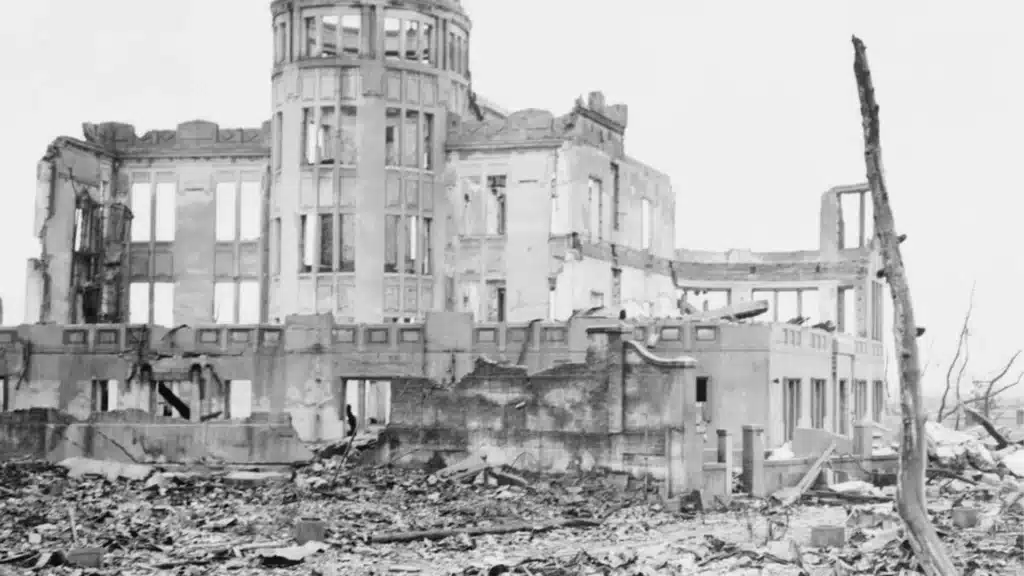
The Dawn of the Atomic Era Indeed, on August sixth, nineteen forty-five, human history shifted permanently when an atomic bomb dropped on Hiroshima. Consequently, this fateful day, globally known as Hiroshima Day, serves as a solemn reminder of unprecedented nuclear destruction. Ultimately, it calls humanity to reflect deeply on war’s cost and renew commitments to global peace forever. For instance, the global atmosphere during World War Two was filled with intense military campaigns across multiple continents. In response, Allied forces sought a swift end to an agonizing war that claimed millions of innocent lives. However, deploying a revolutionary weapon of mass destruction introduced a terrifying new dimension to global warfare. Specifically, the decision followed years of secretive scientific research under the top-secret Manhattan Project across isolated locations. There, top scientists and military strategists worked continuously to split the atom and harvest its immense energy. As a result, their success unleashed physical forces previously thought impossible, changing geopolitical power dynamics permanently for all nations. Furthermore, the military selected several potential target cities based on strategic infrastructure, terrain, and compact urban layouts. In particular, Hiroshima was chosen because it served as an important military headquarters and major industrial supply center. Yet, inside the targeted city were hundreds of thousands of civilians living their ordinary, everyday lives. Tragically, families were preparing morning meals, children were walking to school, and workers were reporting to factories. At the time, none of them could comprehend that their home was selected as the testing ground for destruction. Therefore, understanding Hiroshima Day requires us to look past simple military timelines and examine human suffering directly. Above all, it is a time to remember that military decisions carry profound moral consequences across many decades. Thus, by facing this historical event honestly, humanity takes an essential step toward ensuring peace everywhere forever. Undoubtedly, the legacy of that summer morning serves as a permanent boundary line separating traditional war from extinction. Meanwhile, as technology continues to advance rapidly, philosophical lessons of August sixth become increasingly urgent for leaders. Hence, we must continually examine our ethical frameworks to ensure human compassion keeps pace with military capabilities. After all, true progress cannot be measured by destructive power, but by our capacity to preserve human life. Moment of Total Destruction Initially, the morning began like any typical summer day in the vibrant, densely populated Japanese city center. Unsuspectingly, citizens went about their routines, unaware that a single B-29 bomber was rapidly approaching overhead. Then, at eight fifteen AM, the bomb detonated, unleashing an unimaginable flash of blinding light and heat. Instantly, the air pressure spiked, creating a massive atmospheric shockwave that flattened structures for miles around. Simultaneously, the blast temperature reached several million degrees, vaporizing everything within immediate proximity of the epicenter. Shortly thereafter, a massive mushroom cloud rose high into the stratosphere, casting a dark shadow over burning ruins. Within seconds, the heart of Hiroshima was completely obliterated by horrific thermal energy and sweeping firestorms. Consequently, tens of thousands perished instantly, their bodies turned into dark shadows etched permanently onto stone pavements. In an instant, buildings crumpled into fine dust, transforming the vibrant city into an apocalyptic wasteland of complete ruin. Moreover, the intense heat ignited simultaneous fires throughout residential districts, creating a self-sustaining firestorm that consumed oxygen. Terrified, frightened survivors stumbled through thick toxic smoke and falling ash, desperate to find water and relief. Inevitably, surrounding rivers quickly became choked with debris and desperate citizens seeking escape from unbearable burning pain. Shortly after the initial blast, strange dark drops began falling from the heavily polluted sky above. Alarmingly, this toxic black rain contained heavy radioactive fallout and dangerous residue from the massive atomic firestorm. Tragically, desperate survivors drank this deadly water, absorbing lethal amounts of radiation directly into their fragile bodies. Worse yet, the sheer scale of destruction left the city completely without emergency services, medical infrastructure, or communications. Indeed, hospitals were flattened, medical supplies were destroyed, and most doctors and nurses were killed or injured. Meanwhile, surviving healthcare workers were overwhelmed by hundreds of thousands of badly burned citizens crying for help. Ultimately, this single explosion demonstrated with terrifying clarity that humanity had unlocked power to destroy itself completely. Therefore, the complete ruin of Hiroshima stands as an absolute historical warning about unchecked industrial weapons of war. Above all, it remains a stark reminder of what happens when advanced technology is combined with total warfare. The Legacy of the Hibakusha Sadly, the immediate destruction was only the beginning of a much longer nightmare for those who survived. For decades, survivors faced severe radiation sickness, horrific thermal burns, and profound lifetime psychological trauma across many decades. As a consequence, generations of families suffered from lingering physical illnesses, genetic damage, and perpetual grief over lost loved ones. Furthermore, healthy survivors suddenly began suffering from strange, unexplainable, and terrifying physical symptoms during subsequent months. Specifically, high fevers, severe hair loss, inner bleeding, and sudden organ failure swept through the recovering population. Meanwhile, doctors were baffled because medical science had never previously encountered acute radiation syndrome on this scale. Eventually, these brave survivors, known in Japan as hibakusha, became living testaments to nuclear warfare’s reality. Yet, for decades following the tragedy, they faced severe physical pain, social stigma, and intense economic discrimination. Regrettably, many people foolishly feared that radiation sickness was contagious, making employment and marriage extremely difficult for survivors. Nevertheless, despite their immense suffering, the hibakusha made a courageous choice to dedicate their lives to peace. Instead of giving in to bitterness or vengeance, they transformed personal tragedy into a crusade for disarmament. To that end, they traveled across oceans to share harrowing personal stories with international audiences, diplomats, and young students. Undoubtedly, their firsthand accounts provided a crucial human face to abstract debates about military strategy and defense. In doing so, they showed the world that nuclear weapons do not discriminate between soldiers and civilians during total war. Consequently, their relentless advocacy played a central role in building global pressure against expanding