
Celebrating Hungary: Honoring Statehood, Faith, and Freedom
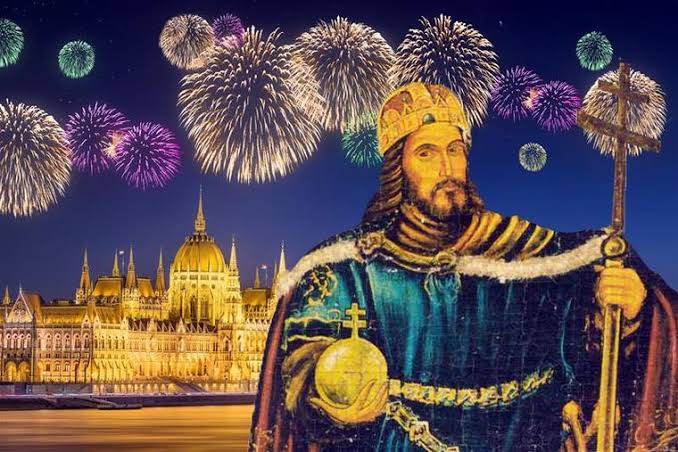
The Historic Significance of August Twentieth Every year on August twentieth, citizens gather to celebrate the foundation of the state with incredible national pride. Indeed, this monumental holiday honors King Saint Stephen, who unified nomadic Hungarian tribes into a strong European nation. Consequently, he embraced Western Christianity and received a holy crown directly from Pope Sylvester II around the year one thousand. Furthermore, his legendary canonization occurred on August twentieth in the year ten eighty-three, establishing this enduring historical date. Thus, throughout many centuries, this sacred occasion has stood as the ultimate symbol of Hungarian independence and resilience. Ultimately, the founding of the state marked a pivotal transition from semi-nomadic life to a structured European kingdom. In addition, King Stephen established strong legal foundations, administrative counties, and religious institutions across the vast historical realm. As a result, his legacy endures through preserved cultural traditions, historic monuments, and the deep identity of the Hungarian people. Over time, monarchs, leaders, and citizens have continuously honored his memory through dynamic periods of intense historical transformation. Today, the national celebration brings together millions of people to reflect on shared history and values. Ceremonial Flag Raising and Military Honors First, morning festivities officially commence with the ceremonial hoisting of the national flag in central Kossuth Square in Budapest. Meanwhile, high-ranking political leaders and brave military officers assemble outside the iconic Hungarian Parliament Building to show deep respect. Next, honored brass bands perform patriotic music while distinguished soldiers stand in strict formation during the formal flag ceremony. Subsequently, an impressive air show features military jets flying dramatically over the wide Danube River before cheering crowds. Presently, spectators watch in absolute awe as acrobatic aircraft paint vibrant red, white, and green smoke across the sky. Simultaneously, official military cadet graduations take place in the grand square, adding solemn prestige to the morning schedule. Together, distinguished veterans, international diplomats, and eager tourists join local families to observe these traditional military protocols. Above all, the national anthem resonates proudly across the crowded plaza as the flag ascends the tall central flagpole. Additionally, honor guards execute precise drill routines, demonstrating exceptional discipline and unwavering dedication to their beloved homeland. In summary, this vibrant morning spectacle sets an inspiring, joyful tone for the extensive festivities unfolding throughout the day. The Procession of the Holy Right Hand Undoubtedly, religious traditions remain deeply central to this solemn holiday, honoring the patron saint who brought Christian faith. For instance, a magnificent holy mass takes place inside the grand Saint Stephen’s Basilica located in the heart of Budapest. Following mass, priests carry the mummified Holy Right Hand relic through crowded streets in a sacred, solemn procession. In fact, thousands of devout believers line the historic city pathways to glimpse this priceless, centuries-old holy relic in person. Hence, this memorable procession seamlessly connects modern civic life with ancient spiritual history, fostering profound unity among all attendees. Moreover, bishops, cardinals, and religious representatives from various Christian denominations join the solemn walk through the central streets. As expected, incense fills the air as choir members sing ancient hymns, creating a deeply spiritual atmosphere for spectators. In truth, the historic relic symbolizes the enduring spiritual strength and guidance of Saint Stephen throughout many generations. By comparison, placing the relic on public display allows pilgrims from across the globe to pay their sincere respects. Clearly, this sacred ritual highlights the deep historical connection between the Hungarian state and its founding Christian heritage. The Festival of the New Bread Naturally, August twentieth traditionally coincides with the annual wheat harvest, inspiring another beloved name: Day of New Bread. Accordingly, farmers proudly harvest fresh golden wheat to bake delicious, traditional loaves using old recipes passed through generations. Thereafter, clergy members formally bless these round loaves, which are wrapped neatly in ribbons featuring vibrant national colors. Then, officials slice the blessed bread publicly and distribute fresh pieces to joyful crowd members celebrating the rich harvest. Therefore, this meaningful custom honors the essential earth, hard rural labor, and sustained nourishment for the entire nation. Likewise, bakers from every region gather to showcase their artisan skill, competing to craft the official national loaf. In particular, the traditional baking process relies on natural sourdough techniques, yielding a distinct, rich crust and wonderful flavor. Besides symbolizing prosperity and communal solidarity, sharing fresh bread remains a cherished highlight of the annual celebration. For example, families gather around festival tables to enjoy these freshly baked loaves together in a spirit of gratitude. In short, this agricultural tradition reminds citizens of their deep connection to the fertile lands of the Carpathian Basin. Culinary Delights and Hungary’s Official Cake Meanwhile, food enthusiasts eagerly flock to the lively Street of Hungarian Flavors to sample delicious, traditional culinary creations. Specifically, expert master confectioners present the highly anticipated official Cake of Hungary, which is chosen through a prestigious competition. Of course, curious citizens wait patiently in long lines to taste the delicate, innovative flavors of this winning annual creation. Notably, a sugar-free version of the official cake is also introduced alongside the main winning dessert every year. Additionally, alongside sweet cakes, visitors enjoy hearty goulash, crispy fried lángos, and fine local wines throughout the weekend. Furthermore, food stalls line the picturesque river embankment, offering fragrant regional dishes prepared by skilled traditional cooks. In turn, visitors savor slow-cooked stews, savory chimney cakes, handcrafted cheeses, and authentic fruit spirits from renowned local distilleries. Also, culinary workshops demonstrate traditional cooking techniques, educating guests on the rich heritage of Hungarian gastronomy. To illustrate, chefs incorporate local ingredients like rich paprika, fresh sour cherries, walnuts, and sweet honey into modern recipes. Altogether, the lively open-air market creates an irresistible atmosphere of culinary discovery, festivity, and warm Hungarian hospitality. Vibrant Regional Celebrations Across Hungary While Budapest hosts massive events, smaller cities celebrate with incredible enthusiasm and unique, colorful local traditions. For example, the famous city of Debrecen holds its legendary Flower Carnival, featuring huge parade floats made of colorful blooms. Simultaneously, international dance troupes perform alongside local folk groups along