
Assam’s Darkest Day: How Assam Moved From an Era of Terror to a New Chapter of Peace

The story of how Assam resolved its insurgency crisis.
Manoj Tiwari takes Yamuna dip before Chhath puja

Bharatiya Janata Party leader Manoj Tiwari swam in the Yamuna River near Sonia Vihar on Thursday. He sought to prove the water quality improved significantly ahead of the upcoming Chhath Puja festival. The NorthEast Delhi Member of Parliament also drank water directly from the river. Tiwari claimed overall river pollution dropped by half over the past eighteen months. He credited ongoing government initiatives and focused administrative efforts for the visible ecological improvements. He extended a warm invitation to devotees across the national capital region. He encouraged worshippers to gather at traditional riverbank locations for their sacred festival rituals. The high-profile event drew strong political commentary from rival parties. Opposition leaders immediately questioned the public demonstration. They cited remaining ecological challenges and persistent pollution concerns along various stretches of the waterway. Opponents labeled the public swim a publicity stunt. They asserted that untreated industrial waste and sewage still flow into key municipal drainage routes. Preparations for Chhath Puja continue at full speed throughout New Delhi. Government agencies inspect several temporary and permanent worship sites along the riverfront. Municipal workers clean public places and install proper lighting for visiting worshippers. Authorities expect massive crowds along the riverbanks during the major four-day festival. Tiwari urged opposition politicians to inspect the cleaned stretch themselves. He expressed strong confidence in complete river restoration plans over the coming years. Officials aim to finish major drainage treatments and ecological cleanup projects by 2029. Worshippers prepare to offer traditional evening and morning prayers at designated river sites soon.
Bhutan glacial lake outburst prompts Indian alerts

A massive glacial lake outburst in Bhutan prompts urgent flash flood warnings across eastern India. Millions of cubic meters of water surged downstream from Shintaphu Lake toward vulnerable river basins. Emergency management teams immediately placed border regions in Assam and West Bengal on high alert. The sudden breach released massive floodwaters into key regional river systems. The deluge collapsed critical bridges in Bhutan before flowing toward low-lying Indian districts. Indian authorities issued emergency advisories along the Sankosh River basin. Officials monitored water levels continuously near key border checkpoints. Authorities sounded loud sirens along riverbanks to evacuate residents from high-risk flood zones. Municipal teams urged thousands of vulnerable families to move toward safer elevated grounds. Regional disaster response forces mobilized emergency units across Jalpaiguri, Alipurduar, and Dhubri districts. Hydroelectric power plant managers opened all spillway gates to prevent catastrophic structural failures. Dam operators emptied reservoirs in advance to absorb incoming surge volumes safely. Emergency medical crews set up relief shelters along major transportation corridors. Scientists warn that rising global temperatures increase the frequency of unpredictable Himalayan mountain disasters. Rapidly melting glaciers create dangerous high-altitude lakes that strain unstable natural ice dams. Previous glacial outburst floods in the region destroyed critical infrastructure and caused widespread devastation. The Government of India coordinates closely with Bhutanese hydrological agencies for real-time updates. Search teams remain on active standby to handle sudden river surges. Authorities maintain strict surveillance along vulnerable riverbanks as heavy floodwaters continue moving downstream.
Legendary stage and screen star Patrick dies

Patrick Stewart passed away at the age of eighty-six in Los Angeles. Family representatives announced his death following a brief battle with Alzheimer’s disease and Lewy body dementia. The celebrated performer spent decades shaping modern cinematic and theatrical history. Stewart earned worldwide acclaim through iconic roles in major sci-fi and superhero franchises. He portrayed Captain Jean-Luc Picard in the renowned “Star Trek” television and film universe. Millions of fans also remember him as Professor Charles Xavier in the blockbuster “X-Men” series. Before conquering Hollywood, the British actor spent fourteen years with the Royal Shakespeare Company. He mastered classic theatrical arts and performed complex dramatic roles across global stages. Queen Elizabeth II honored his immense cultural contributions with a knighthood in 2010. Hollywood colleagues shared heartfelt tributes across social media platforms following the tragic announcement. Co-stars praised his immense talent, sharp intellect, and profound kindness. Fans gathered near his Hollywood Walk of Fame star to leave floral tributes. The entertainment industry mourns the loss of a true cultural icon. His unforgettable performances will inspire generations of actors and movie lovers worldwide.
Vande Bharat Sleeper to begin between Varanasi-New Delhi
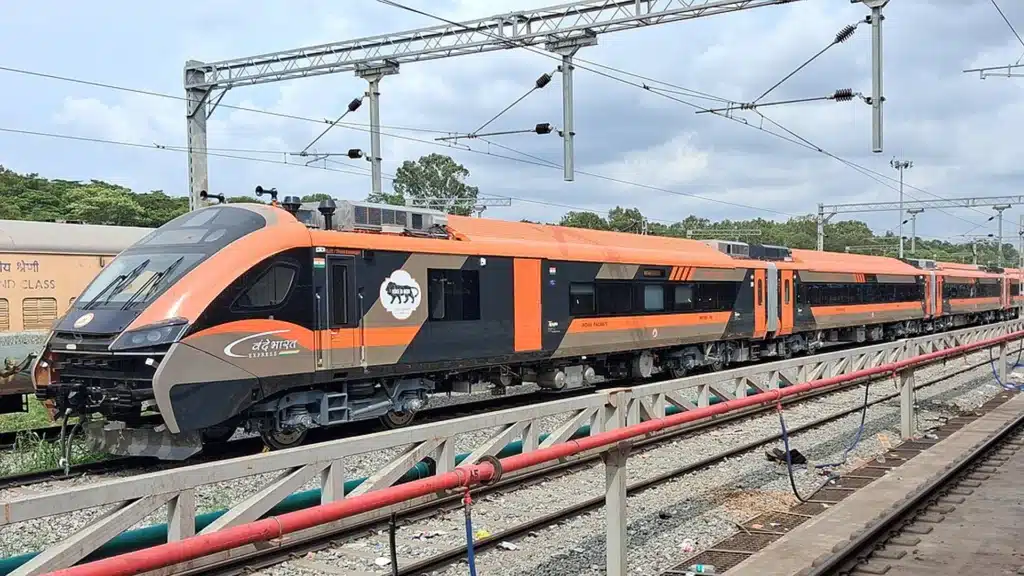
Indian Railways will launch the Vande Bharat Sleeper Express on October 31. The brand-new train will connect the holy city of Varanasi directly with New Delhi. Railway officials completed final track trials and safety checks ahead of the maiden journey. The high-speed train features 16 modern coaches designed for maximum long-distance passenger comfort. The configuration includes 11 AC three-tier coaches, four AC two-tier coaches, and one First AC coach. The entire train accommodates up to 823 passengers on each journey. Engineers designed the sleek locomotive to reach a maximum speed of 180 kilometers per hour. Automatic doors, sensor-based inter-coach doors, and upgraded suspension systems ensure a smooth ride. Passengers will enjoy ergonomic berths, individual reading lights, and modern charging sockets at every seat. Advanced safety features include the native KAVACH anti-collision system to prevent accidents. Sealed gangways block external noise and dust while travelers move between coaches. The train also offers clean modular toilets with touchless fittings and automatic hand dryers. Prime Minister Narendra Modi will flag off the inaugural train service during a grand ceremony. The new sleeper route cuts travel time significantly between Uttar Pradesh and the national capital. Passengers eagerly booked tickets as soon as Indian Railways opened online reservations. Rail authorities plan to introduce more Vande Bharat sleeper routes across key trunk routes soon. This flagship launch marks a major milestone for India’s modern rail transport sector. Thousands of travelers expect a faster, safer, and far more comfortable journey starting Saturday.
Major upgrades inaugurated at Kamakhya railway station
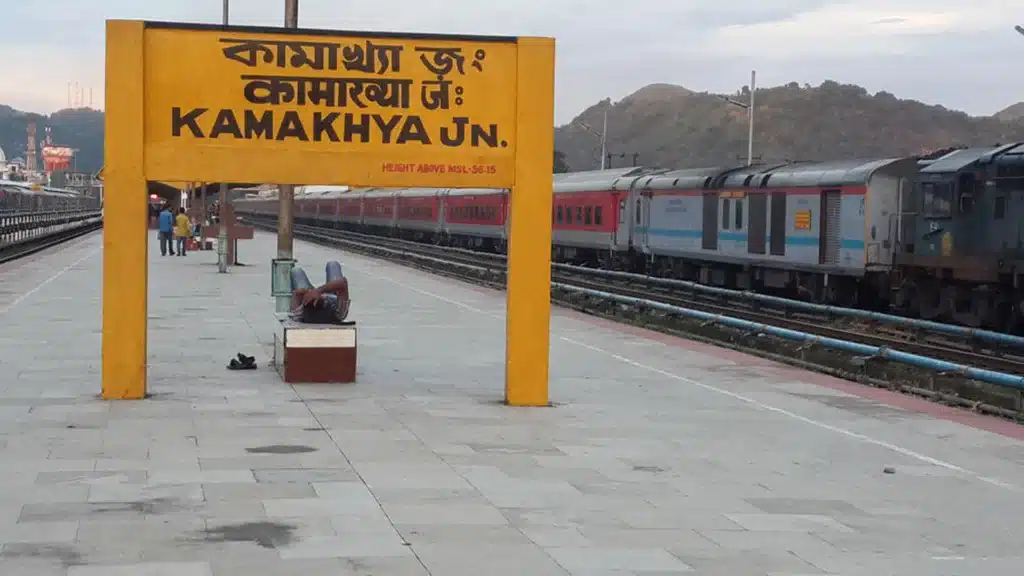
Northeast Frontier Railway (NFR) General Manager Chetan Kumar Shrivastava officially inaugurated a comprehensive suite of passenger amenity upgrades and infrastructure developments at Guwahati’s vital Kamakhya Railway Station, marking a substantial milestone in regional transportation enhancements. The modernization project transforms multiple core zones, including the main station building, concourse, circulating areas, reserve lounge, and key approach roads. To ease chronic traffic congestion and streamline vehicle flow, authorities built dedicated traffic lanes, a covered pick-up and drop-off portico, and a new double-lane exit road. Furthermore, construction crews erected a local retaining wall to widen the connection route to the coaching depot, allowing smoother transit for heavy vehicles carrying operational machinery and spare parts. Inside the terminal, authorities prioritized passenger comfort. The upgraded reserve lounge now features modern furniture, advanced air-conditioning, improved lighting, ventilation, and renovated pantry and restroom facilities, while effectively doubling its seating capacity. Communication and accessibility also received profound boosts through an integrated passenger information system, enhanced audio announcements, and widespread Wi-Fi coverage. Platform No. 4 underwent extensive renovations featuring improved flooring, color-coated roofing sheets, wider rainwater drainage gutters, and protective overhead shielding that bridges gaps between foot overbridges and platform shelters. Overall platform seating climbed significantly from 150 to 360 seats. Additionally, technicians modernized utilities via dedicated cable ducts and concealed water-supply pipelines, and installed specialized drinking-water booths tailored for Divyangjan passengers. Together, these upgrades deliver a safer, highly efficient, and passenger-friendly travel experience.
Silchar-Guwahati Express engine derails in Assam
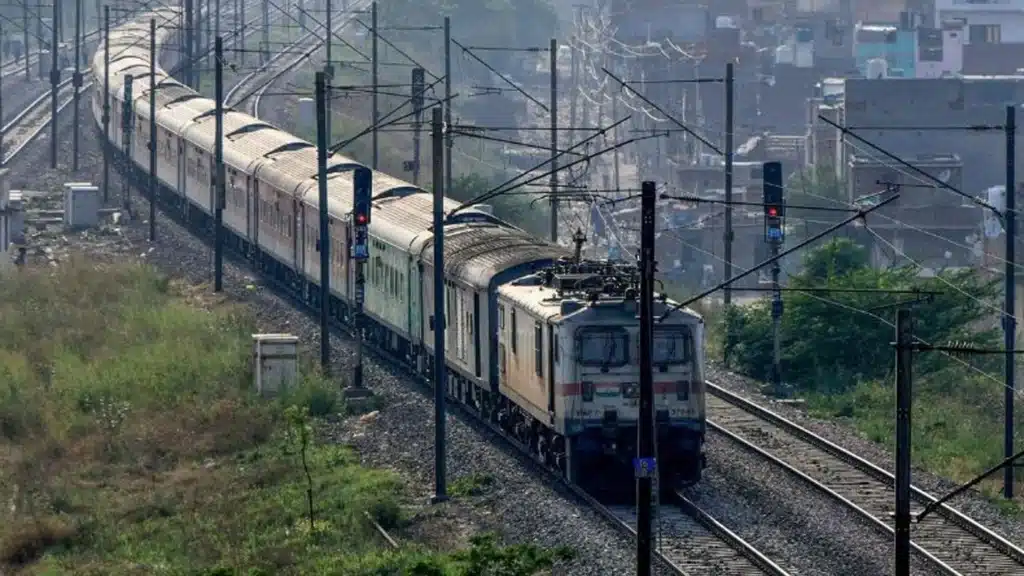
Railway authorities faced a major disruption when the front trolley of the Silchar-Guwahati Express locomotive jumped the tracks. The unexpected accident occurred near the Badarpur and Sukritipur section within Assam. Officials confirmed zero casualties, sparing passengers from any physical harm as all carriages remained upright. The Northeast Frontier Railway (NFR) immediately halted operations along the vital hill route. Engineers deployed heavy machinery and launched urgent repair operations. Because of the accident, authorities cancelled multiple key passenger trains, including the corresponding return service from Guwahati. Teams pushed the stranded coaches back to Badarpur station to ensure absolute safety. Technical experts currently investigate the exact mechanical breakdown behind the sudden derailment. Normal schedules will resume once maintenance crews clear the blocked tracks completely.
Major upgrades inaugurated at Kamakhya railway station
Northeast Frontier Railway (NFR) General Manager Chetan Kumar Shrivastava officially inaugurated a comprehensive suite of passenger amenity upgrades and infrastructure developments at Guwahati’s vital Kamakhya Railway Station, marking a substantial milestone in regional transportation enhancements. The modernization project transforms multiple core zones, including the main station building, concourse, circulating areas, reserve lounge, and key approach roads. To ease chronic traffic congestion and streamline vehicle flow, authorities built dedicated traffic lanes, a covered pick-up and drop-off portico, and a new double-lane exit road. Furthermore, construction crews erected a local retaining wall to widen the connection route to the coaching depot, allowing smoother transit for heavy vehicles carrying operational machinery and spare parts. Inside the terminal, authorities prioritized passenger comfort. The upgraded reserve lounge now features modern furniture, advanced air-conditioning, improved lighting, ventilation, and renovated pantry and restroom facilities, while effectively doubling its seating capacity. Communication and accessibility also received profound boosts through an integrated passenger information system, enhanced audio announcements, and widespread Wi-Fi coverage. Platform No. 4 underwent extensive renovations featuring improved flooring, color-coated roofing sheets, wider rainwater drainage gutters, and protective overhead shielding that bridges gaps between foot overbridges and platform shelters. Overall platform seating climbed significantly from 150 to 360 seats. Additionally, technicians modernized utilities via dedicated cable ducts and concealed water-supply pipelines, and installed specialized drinking-water booths tailored for Divyangjan passengers. Together, these upgrades deliver a safer, highly efficient, and passenger-friendly travel experience.