
When Flying Becomes a Test of Patience

For many passengers, flying with SpiceJet has become an increasingly frustrating experience. Complaints about flight delays, poor communication and inadequate passenger assistance continue to surface. Recent incidents have once again put the airline’s services under scrutiny. Two incidents in particular have drawn attention to the growing frustration among passengers. In one instance, a heated argument broke out between SpiceJet ground staff and passengers. In another, travellers endured hours of waiting inside an aircraft and later at the aircraft stand. At Bagdogra Airport, a confrontation between a passenger and a ground staff member reportedly escalated into an argument. A video of the incident circulated widely on social media, drawing criticism over the airline’s handling of disgruntled passengers. SpiceJet attributed the flight disruption to adverse weather and operational constraints. The airline also suspended the employee involved and initiated an internal review. While airlines cannot control weather conditions, passengers expect staff to communicate delays and cancellations professionally. Such confrontations raise questions about how airlines manage passenger grievances during stressful situations. Another incident involving a Delhi-Pune flight left passengers waiting for several hours. Travellers reportedly spent an extended period inside the aircraft amid concerns over its air-conditioning system. Passengers later had to leave the aircraft and wait near the aircraft stand while the airline addressed the technical issue. The ordeal reportedly left passengers frustrated, particularly over the prolonged uncertainty and lack of clear communication. SpiceJet maintained that a technical issue had disrupted operations and that it arranged an alternative aircraft. However, the incident once again brought passenger comfort and airline accountability into focus. These episodes represent only part of the complaints passengers have raised against the airline. Travellers have also reported lengthy delays, last-minute cancellations and difficulties obtaining timely updates. For passengers with connecting flights, work commitments or family responsibilities, such disruptions can have serious consequences. The problem extends beyond delayed departures. Passengers also expect airlines to provide basic assistance when operations go wrong. They need regular updates, access to refreshments and clear information about alternative arrangements. Ground staff often face the immediate anger of passengers during disruptions. However, airlines must ensure their employees receive proper support and follow clear procedures. Passengers should not have to repeatedly seek answers about their own journeys. SpiceJet now faces a larger challenge: restoring passenger confidence. Individual suspensions and explanations may address specific incidents, but they cannot replace consistent service improvements. Flight disruptions are sometimes unavoidable, but poor communication and inadequate assistance are not. Passengers do not expect every journey to run perfectly. They do expect airlines to respect their time, address their concerns and take responsibility when things go wrong.
Sirsa slams Congress over Delhi pollution controls
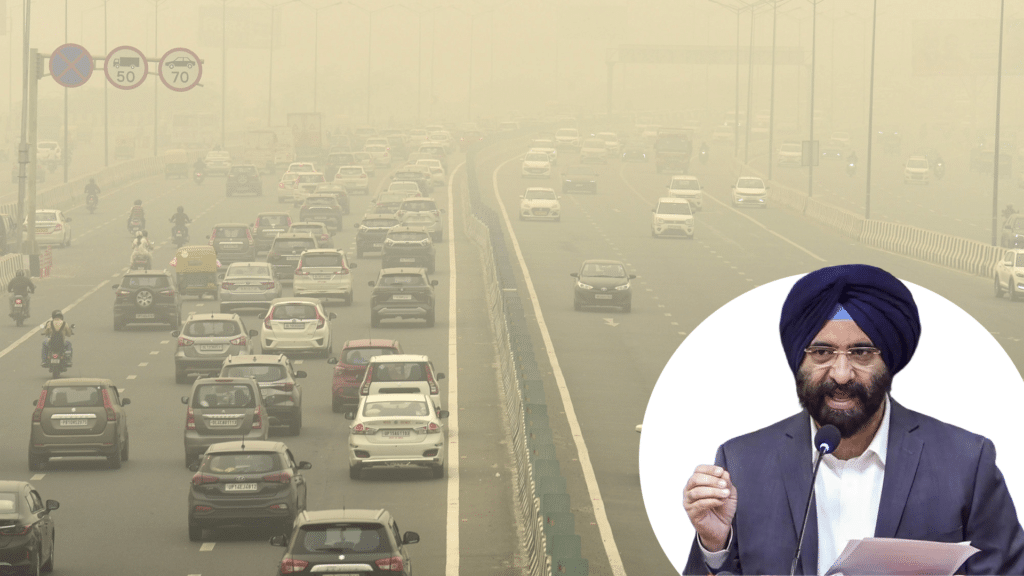
Delhi Minister Manjinder Singh Sirsa strongly criticized opposition leaders over political rallies and environmental management issues. The senior leader highlighted the capital administration’s rigorous enforcement of new air pollution control regulations across various urban zones. City authorities implemented strict restrictions to combat rising smog levels during the winter season. Sirsa shared detailed operational statistics regarding traffic checks and vehicle inspections on social media platforms. Enforcement teams turned back hundreds of heavily polluting commercial vehicles entering Delhi’s borders. Officials imposed heavy financial penalties on transporters flouting environmental safety norms and emission standards. The minister emphasized that public health remains an absolute priority for the regional administration. He urged all political organizations to cooperate fully with civic bodies rather than staging disruptive demonstrations. Environmental experts welcomed the stringent administrative action against high-emission vehicles causing severe particulate pollution. Meanwhile, municipal teams continue monitoring air quality indices across critical industrial and residential sectors. Officials warned that unyielding penalties will apply to any construction sites violating dust mitigation guidelines.
BJP unveils micromanagement strategy for Uttar Pradesh

The BJP launched an intensive micromanagement campaign across Uttar Pradesh. Senior party leaders outlined comprehensive electoral blueprints during recent organizational meetings in Lucknow. The ruling party aims to strengthen grassroots outreach and maximize voter engagement ahead of upcoming legislative assembly elections. Top strategists emphasized rigorous door-to-door campaigns and precise booth-level coordination. Party functionaries instructed district coordinators to monitor local administrative performance and resolve public grievances proactively. Dedicated party wings will deploy thousands of volunteers to connect directly with diverse demographic communities. State leaders urged workers to publicize major central and state welfare initiatives effectively. Organizers believe this targeted outreach will solidify support bases across rural and urban constituencies alike. Political opponents continue monitoring these aggressive preparations while finalizing their own campaign strategies.
Bhutan dedicates sacred Stupa to PM Modi

Bhutan honored Indian Prime Minister Narendra Modi by dedicating a sacred Buddhist monument. King Jigme Khesar Namgyel Wangchuck officially dedicated Stupa number 76 within the Gelephu Mindfulness City. The kingdom praised Modi’s outstanding vision and continuous support for strengthening bilateral ties. The historic ceremony coincided with the auspicious religious festival of Lhabab Duchen. Thousands of volunteers erected 108 sacred Jangchub Chortens along the Mau Chhu River near the Indian border. Union Minister Kiren Rijiju represented the Indian government during the grand consecration events. Rijiju expressed deep gratitude toward the Bhutanese monarch and citizens on behalf of India. He emphasized that this unique tribute reflects the profound spiritual and cultural bond shared between both neighboring nations. The ambitious Gelephu Mindfulness City project aims to merge Vajrayana Buddhist traditions with modern economic innovation and ecological sustainability. King Wangchuck envisions the special administrative zone as a global hub for wellness and green industries. Indian leaders reiterated their firm commitment to supporting Bhutan’s infrastructural and economic development goals. Diplomatic observers noted that the gesture underscores the enduring friendship and exceptional geopolitical alignment connecting New Delhi and Thimphu.
Ahmedabad police detain sixty-one illegal immigrants
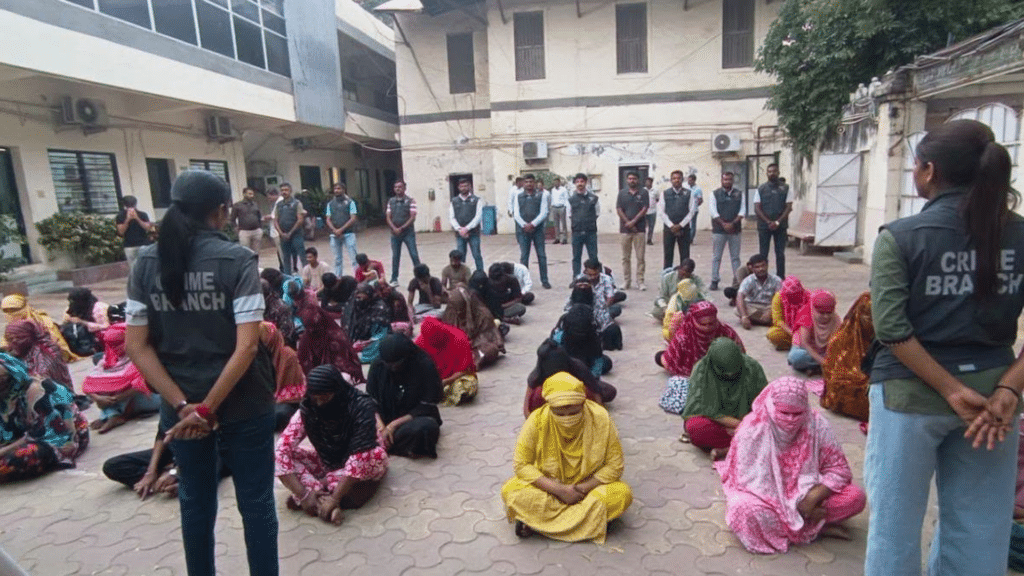
The Ahmedabad Crime Branch detained sixty-one foreign nationals during a massive city-wide security sweep. Most detained individuals belong to Bangladesh. Law enforcement agencies launched these targeted raids across multiple urban zones ahead of upcoming Diwali festival celebrations. Special police teams executed coordinated checks to identify individuals residing without valid travel documents or legal identification papers. Officers are actively verifying identity credentials and residence histories for every detained suspect. Authorities initiated formal legal proceedings to execute prompt deportation protocols for all violators. Senior police officials emphasized that intensive verification drives will continue across Gujarat to strengthen public security standards. Similar statewide operations previously identified hundreds of unauthorized foreign nationals residing within local neighborhoods. Intelligence units maintain strict surveillance to curb illegal cross-border movement effectively.
Is the Future of Work a Future Without Jobs?

For years, artificial intelligence was seen as a tool of convenience, something that could make our lives easier by answering questions, organising information and completing tasks in seconds. Today, however, AI is becoming something far more consequential. It is beginning to change the way businesses operate, and in the process, raising an uncomfortable question: how many people will still have jobs when machines can do their work? AI is increasingly replacing human workers, from customer service representatives and data entry operators to graphic designers, content writers and financial analysts. Companies are turning to automated systems to complete these tasks faster and at a lower cost. For businesses, this is an opportunity to improve efficiency. For employees, it could mean an uncertain future. AI now threatens jobs beyond repetitive, manual work. It is increasingly taking over professions that people once considered secure because they require creativity, communication and specialised knowledge. A company that once needed an entire team to handle basic research, marketing content or administrative work may now be able to accomplish much of it with a handful of employees and AI tools. The consequences could extend beyond individual job losses. Reduced employment opportunities could increase economic inequality, particularly for young graduates entering an already competitive job market. Those without access to technological skills or opportunities to retrain may find themselves increasingly disadvantaged. However, treating AI as an enemy would be an oversimplification. Technology has always transformed employment, creating new industries even as it makes certain roles redundant. The challenge is ensuring that workers are not left behind in this transition. Governments, educational institutions and businesses must invest in reskilling programmes and rethink how people prepare for the workforce. After all, technological progress should not come at the cost of human livelihoods. The real question is not whether AI will change the world of work. It already is. The question is whether society will adapt quickly enough to ensure that people still have a place in it.
Political Momentum builds for Eisenkot in Israel

Political momentum builds rapidly across Israel as key opposition leaders unite behind Gadi Eisenkot. Former Prime Minister Naftali Bennett and opposition leader Yair Lapid extended formal backing for his premiership. Prime Minister Benjamin Netanyahu’s right-wing bloc fell short of a majority in recent parliamentary elections. Consequently, anti-Netanyahu factions see a viable path to form a new governing coalition. Bennett urged President Isaac Herzog to invite Eisenkot to form the next government immediately. Yisrael Beytenu leader Avigdor Liberman also endorsed Eisenkot for prime minister. Political analysts note that centrist and right-wing parties are setting aside personal rivalries to ensure stable leadership. Meanwhile, security forces monitor rising political tensions following recent protests outside political residences. Negotiators continue holding intensive discussions to finalize coalition agreements before formal deadlines approach. Opposition leaders remain confident that unified cooperation will successfully replace the long-standing administration.
Assam set to get Skill India centre

Assam secured approval for a new Skill India International Centre to enhance overseas employment prospects. State authorities signed a landmark Memorandum of Understanding during the Northeast Tourism and Hospitality Skill Conclave in Guwahati. The specialized institution will provide globally recognized vocational training programs for local youth. Union Ministry officials highlighted the importance of expanding international mobility channels for regional job seekers. The initiative focuses strongly on tourism, hospitality, and emerging service sectors across global markets. Industry leaders welcomed the strategic agreement to align regional education standards with international benchmarks. State representatives presented comprehensive skill development visions during high-level ministerial discussions in the city. Officials believe this modern facility will bridge critical employment gaps and empower young professionals effectively. Vocational experts expect rigorous training modules to commence soon following final infrastructure clearances.