
Ramayana Part Two Postponed To Diwali 2028
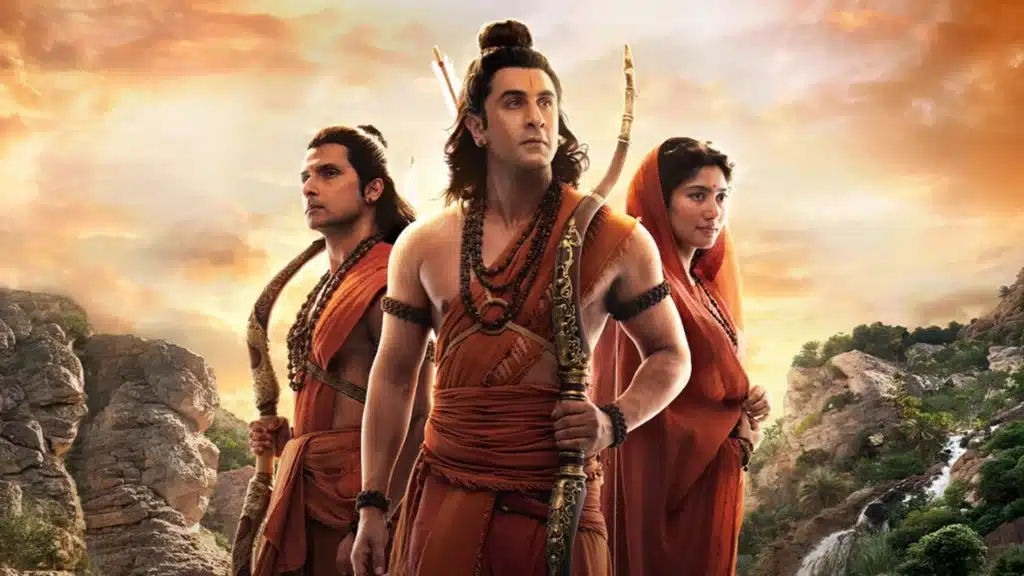
Producer Namit Malhotra officially confirmed that Ramayana: Part 2 shifted to a Diwali 2028 release. The epic sequel was originally expected to arrive in theatres during 2027. Malhotra explained that filmmakers require extra time to deliver a grand finale matching international cinematic standards. The first installment premiered worldwide on November 5, captivating audiences with stellar performances by Ranbir Kapoor, Sai Pallavi, and Yash. Director Nitesh Tiwari’s grand vision features magnificent soundscapes created by legendary composers Hans Zimmer and A.R. Rahman. The musical greatness of the production blends timeless orchestral arrangements with soulful classical melodies, elevating the mythological narrative. Malhotra also hinted at a potential third installment depending on audience feedback. Fans eagerly await the continuation of Lord Rama’s legendary journey across upcoming sequels.
One App, Different Experiences
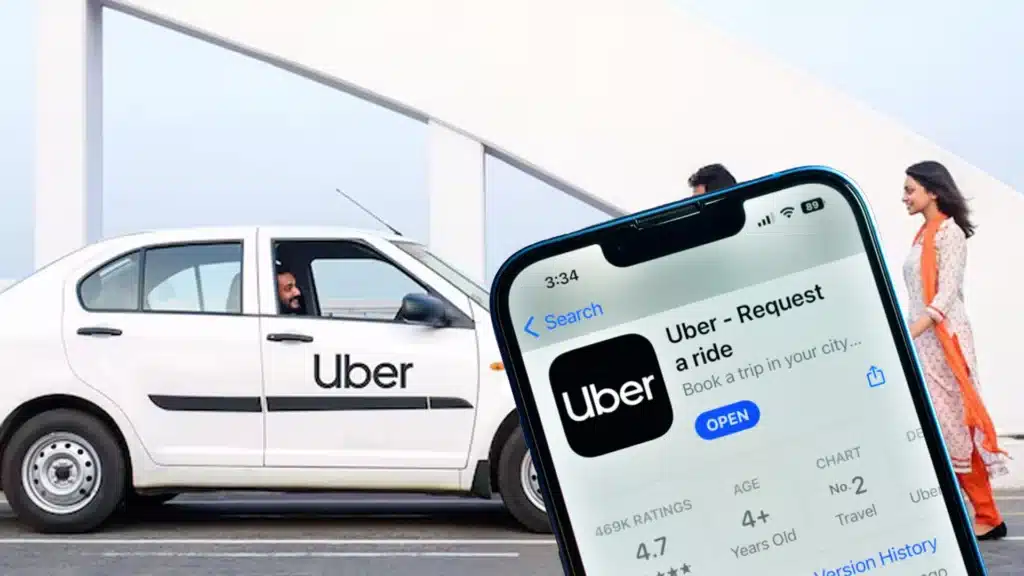
Booking an Uber is meant to make commuting easier. A few taps on a smartphone, a confirmed fare and a driver arriving at the designated location have made app-based transport an important part of urban life. For many passengers, these services offer a convenient alternative to negotiating fares with local taxi operators or waiting for public transport. However, the experience can vary considerably depending on the city. While passengers in metropolitan cities generally have access to a larger pool of drivers, better-maintained vehicles and relatively consistent availability, those in Tier 2 cities often encounter a different set of challenges. The difference is not necessarily about the technology itself but about how the service operates across cities with varying levels of demand, infrastructure and driver availability. For passengers in cities such as Guwahati, the convenience of booking a cab through an app does not always translate into a comfortable or predictable journey. From vehicle conditions and driver cancellations to disagreements over fares and basic amenities, several aspects of the experience can leave customers questioning whether they receive the same standard of service as passengers in larger cities. The Difference Between Metropolitan and Smaller Cities Ride-hailing services operate within very different urban environments. Metropolitan cities generally offer larger driver networks and more frequent customer demand. These conditions can make booking a cab relatively convenient. Smaller cities often have fewer registered drivers and lower booking volumes. Some areas also have limited road connectivity and longer travel distances. These factors can affect availability, waiting times and the overall customer experience. However, customers rarely consider these operational differences when they book a ride. They usually expect the same basic service across locations. A passenger who uses Uber in Delhi may expect similar standards in Guwahati. That expectation is understandable. The application presents a consistent interface across different cities. It displays estimated fares, vehicle categories and driver details. Customers naturally associate this consistency with a similar standard of service. Yet the actual experience depends on local conditions. Vehicle availability, driver participation and demand patterns vary considerably. This creates a gap between the convenience promised by technology and its delivery. The challenge does not necessarily reflect a failure by the platform. Instead, it highlights the difficulty of maintaining consistent services across diverse markets. Vehicle Conditions and the Question of Comfort The condition of vehicles remains an important concern for several passengers. Customers sometimes report differences between the vehicles they expect and those that arrive. Some passengers encounter cars with worn interiors, uncomfortable seating or inadequate cleanliness. Others report vehicles with poor maintenance or visible exterior damage. Such experiences can influence how customers perceive the service. Vehicle quality matters because passengers do not book cabs only for transportation. They also pay for comfort, convenience and a degree of reliability. A clean and well-maintained vehicle contributes significantly to that experience. These expectations become particularly important during longer journeys. Passengers may spend considerable time inside a vehicle. Poor seating, unpleasant interiors or inadequate maintenance can make the journey uncomfortable. However, vehicle conditions also reflect the economics of operating a taxi. Drivers must manage fuel costs, maintenance expenses and vehicle financing. Smaller markets may offer fewer opportunities to recover these costs. This creates a difficult balance between affordability and customer expectations. Passengers want comfortable vehicles at reasonable prices. Drivers also need sufficient earnings to maintain their cars. Platforms must consider both sides while developing service standards. Clear vehicle requirements and consistent quality checks could help address customer concerns. Additional Payments and Fare Disagreements Another concern involves disagreements over the fare displayed during booking. Some passengers report drivers requesting additional payments after accepting their trips. These requests can involve extra money for longer distances or particular destinations. In other instances, drivers may question whether the displayed fare adequately covers their journey. Such interactions can leave passengers uncomfortable. Customers generally expect the application to provide a clear fare estimate. They also expect drivers to follow the agreed booking terms. Some passengers report that drivers ask them to cancel bookings when they consider the fare insufficient. This situation creates inconvenience for customers and complicates the booking process. Passengers may then need to search for another driver. They might also face longer waiting times or changing fare estimates. Repeated experiences can weaken confidence in the platform. However, fare disagreements also deserve a closer look at driver economics. Fuel prices, vehicle maintenance and commission structures influence the earnings from individual trips. Drivers may find certain journeys less financially attractive. This does not make unexpected payment requests acceptable. Instead, it highlights the need for clearer communication around fares and trip conditions. A transparent fare structure can protect passengers while helping drivers understand their expected earnings. Better communication could reduce disagreements before they affect the journey. The Air Conditioning Disagreement Air conditioning may seem like a minor detail in a cab booking. However, it can significantly influence passenger comfort, particularly during India’s hotter months. Some customers report drivers refusing to switch on the air conditioning. Others describe situations where drivers request additional money for using it. Such experiences can create an uncomfortable start to an otherwise routine journey. Passengers generally expect basic comfort when they select an air-conditioned vehicle category. The issue also reflects the operating costs that drivers manage. Air conditioning increases fuel consumption, especially during heavy traffic. Drivers may therefore consider its use when calculating their earnings. However, passengers should not have to negotiate basic service expectations after booking. The selected vehicle category should communicate what the customer can reasonably expect. Clearer guidelines could help prevent misunderstandings. Platforms could explain air-conditioning expectations within their vehicle categories. Drivers and passengers would then have a clearer understanding before starting the trip. This issue illustrates a broader challenge for ride-hailing services. Small disagreements can influence customer satisfaction more than the journey itself. Cancellations, Waiting Times and Availability Booking a cab does not always guarantee a smooth pickup. Some customers report repeated cancellations after drivers accept their requests. Passengers may wait several minutes before receiving a cancellation notification. They
Prime Minister Modi Meets Asian Para Champions
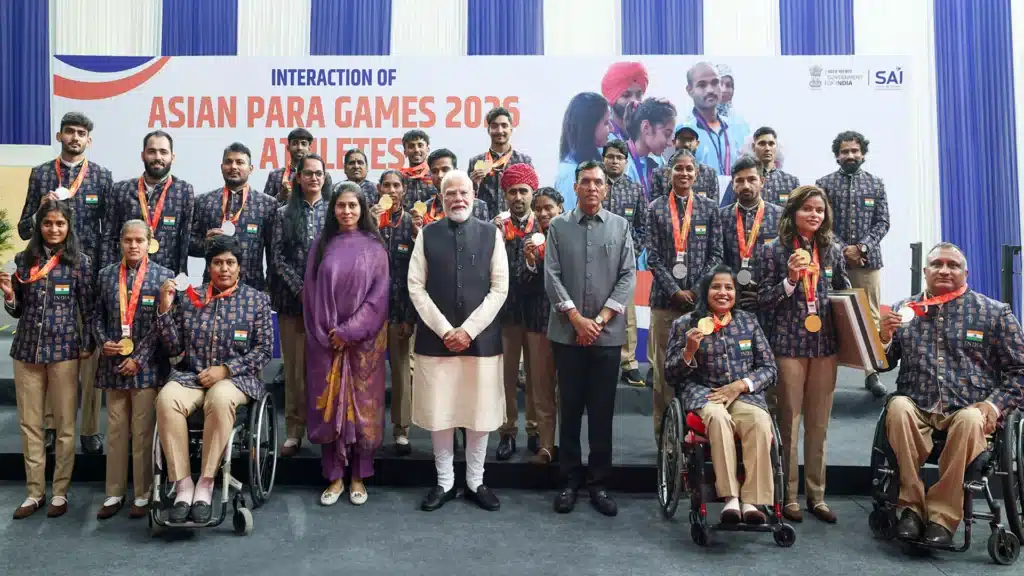
Prime Minister Narendra Modi met the triumphant Indian contingent from the Asian Para Games in New Delhi. The special interaction took place at the Indira Gandhi Sports Complex following India’s historic athletic campaign. The Prime Minister lauded the extraordinary para-athletes for securing a record-breaking haul of 114 medals. He noted that India’s medal tally surged dramatically from just fourteen medals during the 2010 edition. The exceptional contingent claimed thirty gold, thirty-five silver, and forty-nine bronze medals. Modi praised the unwavering determination, grit, and resilience displayed by every competitor throughout the championship. He highlighted that female athletes delivered stellar performances, capturing numerous podium finishes across multiple sporting disciplines. Officials, coaches, and sports federation representatives joined the celebratory gathering to honor the national heroes. The government continues expanding modern training facilities and financial support systems for aspiring champions nationwide. Experts believe these unprecedented sporting milestones will inspire future generations to pursue excellence without physical barriers.
Katon Moyong Rejects Talks On Siang Hydroelectric Project
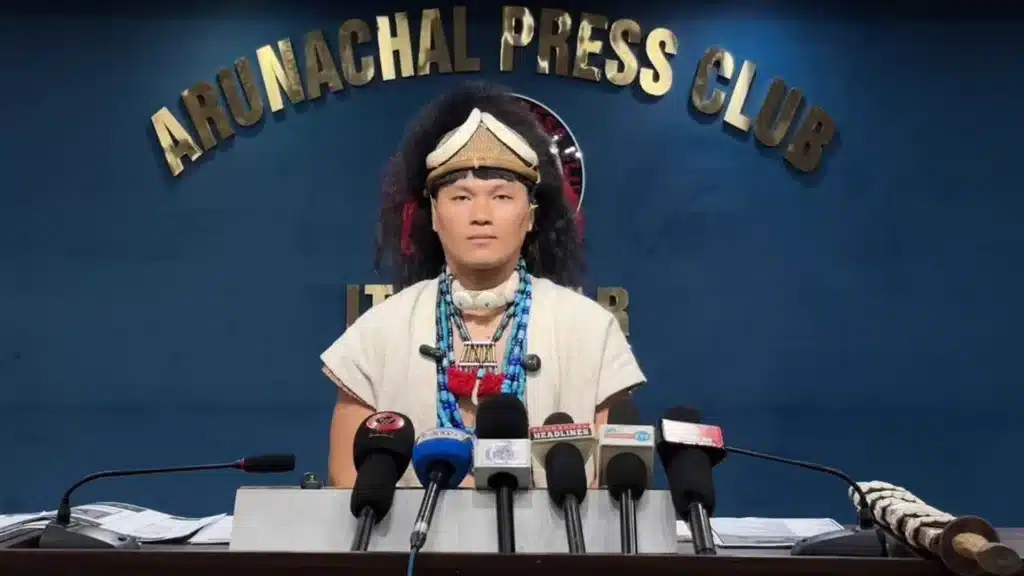
Prominent anti-dam activist Katon Moyong publicly rejected the government’s formal invitation for dialogue regarding the proposed mega hydro project. The activist recently returned to his home state following his temporary detention by Delhi Police during peaceful protests. Moyong remains a central figure in resisting the Siang Upper Multipurpose Project across the Siang river valley. He firmly stated that the window for administrative discussions has completely closed. His resolute declaration, “No dam means no dam,” resonated powerfully across indigenous Adi community networks. The activist dismantled official security claims surrounding the strategic water infrastructure project near international borders. He explicitly categorized government national security arguments as false narratives designed to justify environmental destruction. Indigenous groups fear catastrophic consequences for biodiversity, local ecology, and ancestral lands along the river basin. Indigenous elders, youth groups, and rural farmers continue organizing widespread demonstrations to block pre-feasibility survey work. Protesters demand immediate cancellation of all proposed hydro dams across the ecologically sensitive Siang region. Local organizations pledge to intensify grassroots mobilization across surrounding districts until state authorities abandon the project.
Youth Congress Suspends Leaders Over Missed Rally
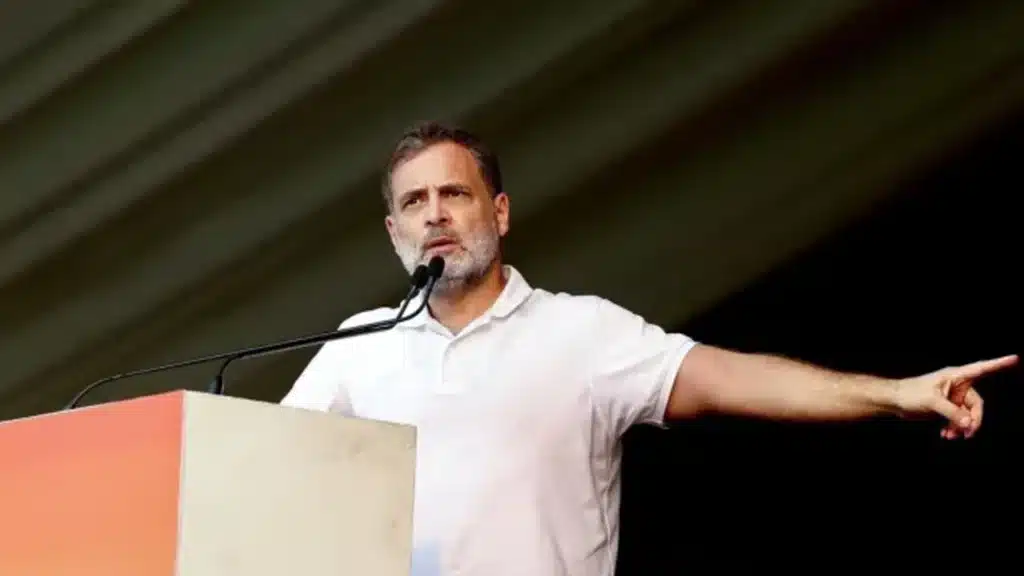
The Indian Youth Congress recently suspended more than two hundred office-bearers across multiple states. Party leadership initiated this strict disciplinary action because these members missed a major opposition rally in New Delhi. The high-profile political gathering occurred at Ramlila Maidan under the leadership of senior politician Rahul Gandhi. Organizers had mandated full attendance for all regional office-bearers to demonstrate political strength. However, several functionaries failed to check in through the official mobile application. Madhya Pradesh Youth Congress general secretary Rohit Rajoria faced suspension despite missing the event for valid family reasons. Rajoria explained that he attended his late uncle’s traditional thirteenth-day funeral ritual at home. He expressed deep frustration because leadership punished him without issuing any prior show-cause notice. Other penalized members cited unavoidable personal emergencies, including close family weddings and sudden illnesses. Political rivals quickly seized the internal controversy to criticize opposition management styles publicly. Meanwhile, party administrators defended the suspensions as a necessary step to enforce strict organizational discipline. This strict disciplinary episode mirrors how cultural icons like Dr Bhupen Hazarika united people through profound empathy rather than division. Hazarika’s legendary musical artistry always celebrated the core bonds of humanity above rigid institutional rules. Party insiders now hope leadership will balance structural discipline with genuine compassion during future political mobilizations.
Global Markets Rally Following US Midterm Election Defeat
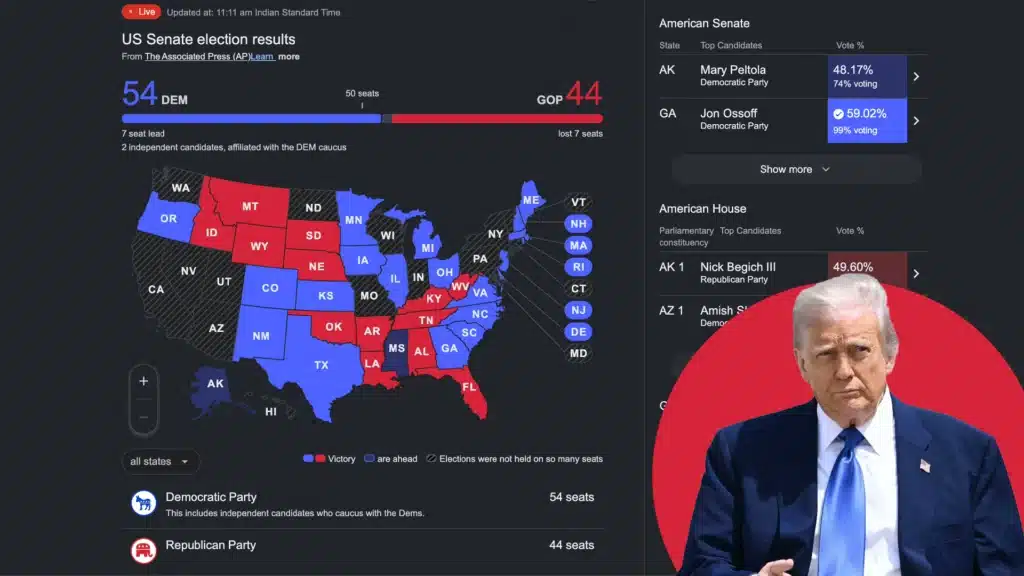
Global equity markets recorded strong gains after the defeat of Donald Trump’s party in the US midterm elections. Investors welcomed the political shift, pushing indices higher from Wall Street to Dalal Street. The BSE Sensex surged sharply, climbing over 2,000 points during the trading session. The Nifty 50 index crossed the crucial 24,500 mark. This massive rally added nearly Rs 6.9 lakh crore to investor wealth in a single day. Market analysts point out that lower US Treasury yields and falling crude oil prices fueled the positive sentiment. Lower oil prices bring massive relief to net-importers like India, reducing import bills and inflation pressures. Furthermore, political changes in Washington eased regulatory worries surrounding artificial intelligence and technology sectors. Foreign institutional investors increased their exposure to emerging markets. Domestic sentiment remained exceptionally upbeat as buying momentum spread across multiple sectors. Banking, auto, and consumer goods stocks participated actively in the surge. Traders expect this bullish trend to continue if global macroeconomic conditions remain favorable.
Muslim Women Join BJP Bhopal March
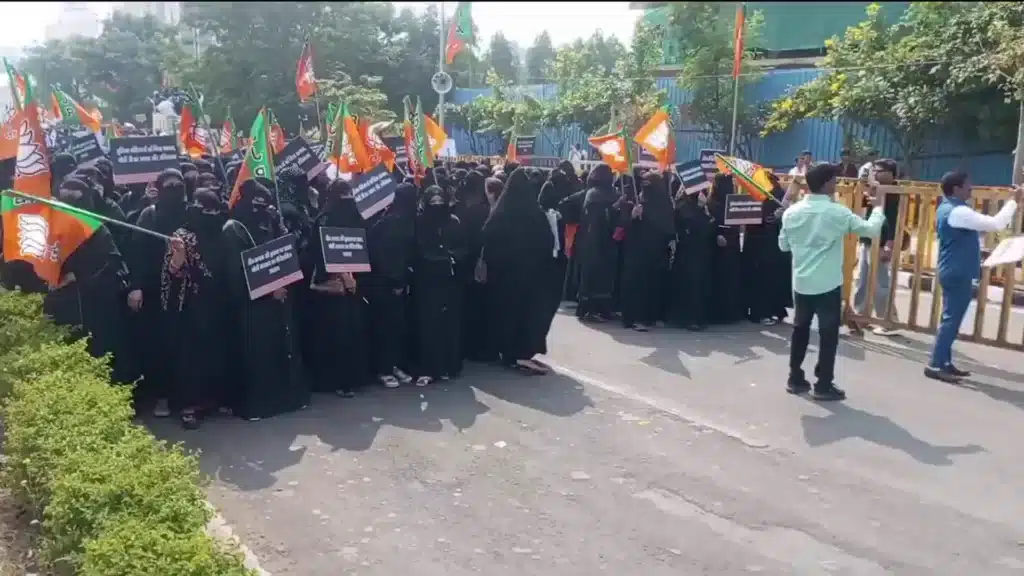
A substantial contingent of Muslim women wearing burqas and hijabs joined the Bharatiya Janata Party march in Bhopal. Thousands of enthusiastic citizens participated in the “Loktantra Bachao, Arajakta Hatao” mega padyatra across key city routes. Union Minister J.P. Nadda, Chief Minister Mohan Yadav, and state party president Hemant Khandelwal led the rally. The march commenced at Atal Path and concluded at Roshanpura Square amidst high political energy. Muslim women marchers publicly expressed strong alignment with progressive governance initiatives and social empowerment programs. Diverse community delegations extended warm welcomes to senior party leaders along the designated procession path. Organizers highlighted that public participation reflected growing trust across all demographic sectors. Addressing the massive gathering, J.P. Nadda criticized opposition alliances for undermining constitutional institutions and spreading misinformation. Chief Minister Mohan Yadav reaffirmed the state government’s commitment toward inclusive development and public welfare. The successful public demonstration highlighted broad grassroots support ahead of upcoming regional political campaigns.
Abhishek Banerjee demands removal of Home Minister
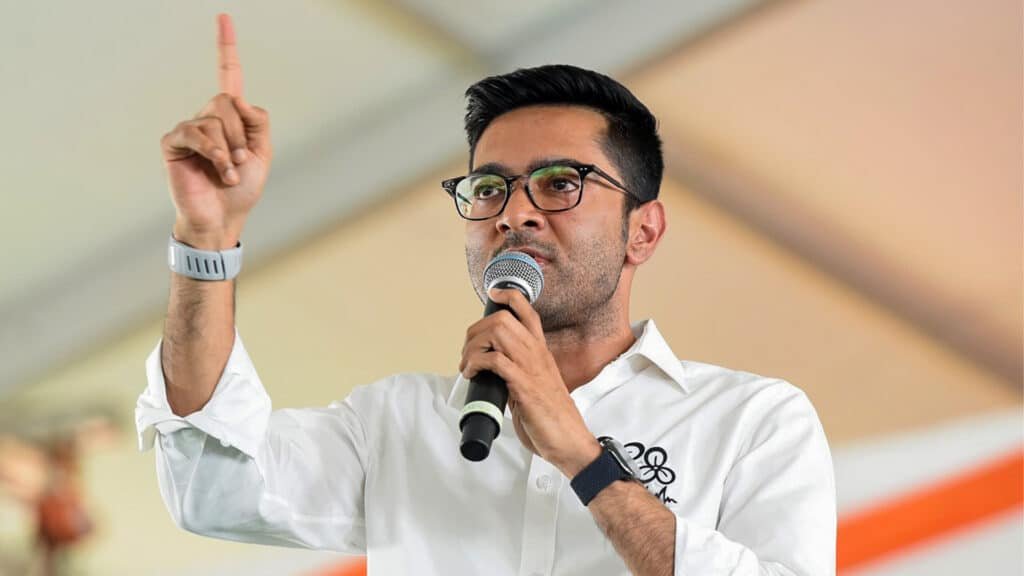
Trinamool Congress National General Secretary Abhishek Banerjee launched a blistering attack against state authorities during a press briefing in Kolkata. He demanded the immediate removal of the state’s Home Minister, citing sheer incompetence and administrative failure. The senior leader strongly criticized the police following the controversial arrest of his personal assistant, Sumit Roy. Law enforcement agencies had detained Roy after claiming the recovery of over one crore rupees from a party office. Banerjee categorically rejected the allegations and claimed that police officers fabricated evidence to frame his aide. He asserted that a vehicle arrived at the scene between midnight and three in the morning to plant cash. Reflecting on recent electoral setbacks and legal battles, Banerjee made a sharp political remark during the conference. He declared that we lost Bengal to the Supreme Court of India, not to the BJP. He added that the party possesses clear visual proof documenting the entire unlawful midnight operation. Consequently, Banerjee announced plans to challenge the arrest in the High Court and the Supreme Court. The parliamentarian further accused police officials of orchestrating a politically motivated smear campaign against his administration. He offered to represent himself before the Supreme Court to expose systemic corruption within the police force. This intense political confrontation continues to escalate tensions across the regional political landscape.