
Gaurav Gogoi Blames Highway Corruption for Kaziranga Crash
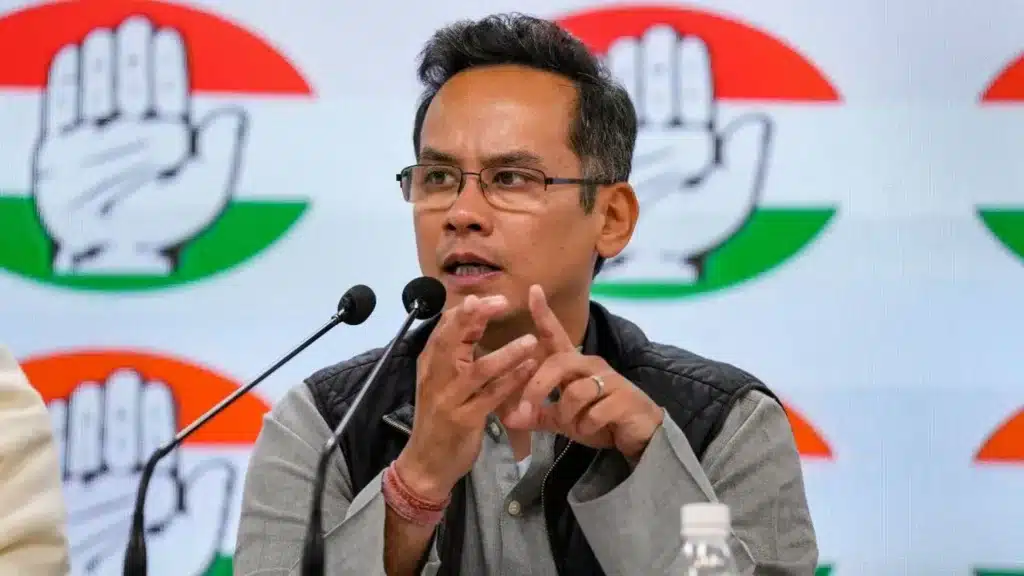
Assam Congress President and Jorhat MP Gaurav Gogoi has blamed alleged corruption and poor construction quality for the fatal road accident near Kaziranga. He also cited an alleged nexus between contractors and politicians behind the devastating tragedy in Assam. Gogoi claimed that authorities could have avoided the crash if contractors had properly built and maintained the highways. Reacting to the accident that claimed at least 24 lives, he strongly criticised the state’s road network. Specifically, the MP alleged that national highways across Assam had become a den of corruption. Furthermore, he questioned why the government collects tolls while road infrastructure remains in poor condition. Speaking directly about the situation, Gaurav Gogoi alleged that poor construction quality causes accidents across Assam every single month. He stated that he did not know why the Government of India collects tolls without maintaining proper highways. Calling the tragic incident unfortunate, the Congress MP insisted that officials could have prevented the loss of life. He blamed corruption, contractor greed and political collusion for putting ordinary daily commuters at grave risk. The devastating road accident took place on November 13 at Rangajan, near Hathikuli Tea Estate in Golaghat district. Specifically, a passenger minibus collided head-on with a container truck on National Highway 715 inside the Kohora range. The violent collision killed at least 24 people and injured several other passengers aboard the vehicle. Several of the deceased victims were college students returning home from their daily classes. Additionally, two women were among those who lost their lives in the crash. According to police officials, the minibus was travelling at high speed before the deadly impact occurred. Investigators noted that the driver may have lost control before colliding head-on with the oncoming truck. Golaghat Senior Superintendent of Police Swapnaneel Deka stated that the vehicle allegedly violated speed restrictions near the national park. Authorities initiated a detailed inquiry to establish the exact circumstances leading to the fatal crash. Investigators will also determine whether the driver violated specific traffic regulations during the journey. The deadly crash has also drawn close scrutiny to the commercial minibus’s past traffic record. Records show the vehicle previously accumulated 12 paid challans amounting to ₹38,500. Furthermore, another traffic penalty of ₹4,000 remained outstanding against the vehicle at the time of the collision. However, officials noted that previous traffic violations do not by themselves establish the cause of Friday’s accident.
India’s PLI Schemes Attract ₹2.4 Lakh Cr Investment: NITI Aayog
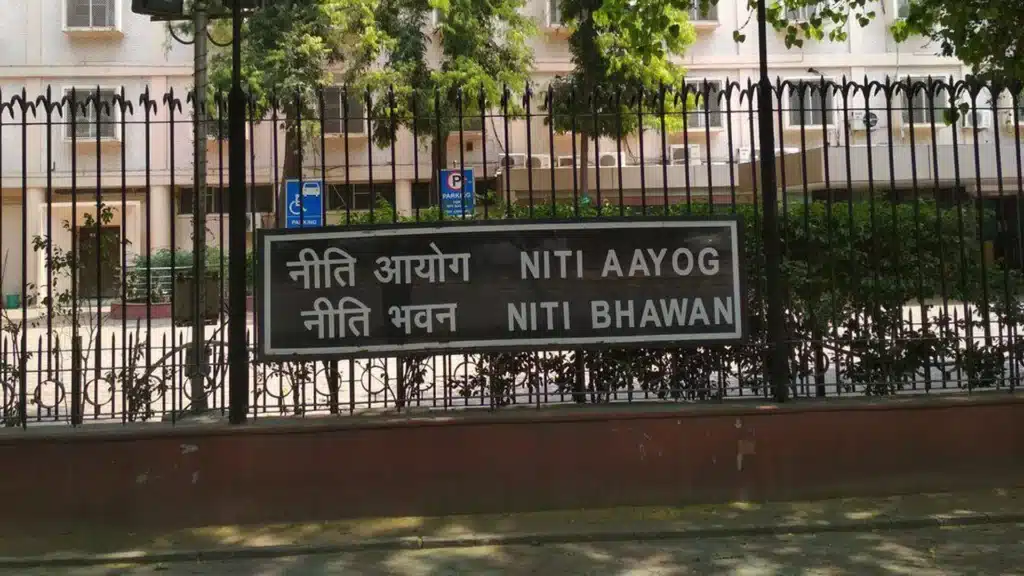
India’s 14 Production-Linked Incentive (PLI) schemes disbursed ₹35,354 crore to participating companies by March 2026. This disbursement accounts for 18.51 per cent of the total ₹1.91 lakh crore financial outlay. NITI Aayog released these findings in a mid-course impact assessment in collaboration with IIM Ahmedabad. The report provides the first comprehensive evaluation of these flagship manufacturing incentive programmes. Policymakers originally launched these initiatives between 2020 and 2021 across multiple strategic industrial sectors. By evaluating progress at the halfway mark, the study highlights major achievements and areas that require policy attention. Despite the modest disbursement rate, the PLI schemes successfully mobilised ₹2.40 lakh crore in investments. Furthermore, participating firms generated ₹22.66 lakh crore in total production as of March 2026. Notably, actual investment reached 76 per cent of the government’s full-tenure target. Meanwhile, total manufacturing production reached 64 per cent of the projected ₹35.37 lakh crore goal. Collectively, the 14 schemes have completed 58 per cent of their overall implementation period. Individual scheme durations range from three to 10 years, depending on the specific industrial sector. Across the economy, the PLI programmes created 8.49 lakh jobs across several key manufacturing sectors. Specifically, employment growth spanned electronics, pharmaceuticals, automobiles, textiles, and advanced chemistry cell batteries. Exact employment generation reached 8,49,069 people by March 2026 across these participating industries. However, this figure compares against a full-tenure target of approximately 30.2 lakh jobs. Consequently, current job creation represents just 28 per cent of the overall national employment objective. Accelerating workforce expansion remains an important priority during the remaining implementation phase of the programmes. Looking ahead, senior policymakers outlined strategic priorities to maximise the long-term economic benefits of the schemes. NITI Aayog Vice Chairman Ashok Kumar Lahiri emphasised the need to strengthen domestic manufacturing capabilities beyond assembly operations. Specifically, he urged industries to focus on advanced technologies and globally competitive manufacturing standards. Building deeper local value chains will ensure sustainable industrial growth after direct financial incentives conclude. Finally, the mid-course assessment offered concrete administrative recommendations to improve programme execution across participating ministries. The report recommended regular monitoring of beneficiary progress to maintain accountability and track industrial milestones. Additionally, officials called for faster resolution of sector-specific challenges that occasionally slow down capital deployment. The assessment also stressed better coordination with industries to improve long-term effectiveness across all sectors. By implementing these measures, India can sustain manufacturing momentum and achieve its broader economic targets.
Zubimendi Stars for Spain as Arsenal Wait Continues

Martín Zubimendi delivered a complete performance for Spain, starting and playing the full 90 minutes in the 2-0 UEFA Nations League win over Czechia.
Ramayana Rockets Past ₹1,100 Cr Worldwide

Nitesh Tiwari’s Ramayana crosses ₹ 1000 Crore worldwide.
Restore Britain Surges to 28% in Hyndburn

Restore Britain delivered a striking performance in the Huncoat ward by-election.