
PM Modi Proposes Free E-Visas, Maritime Plan at ASEAN Summit
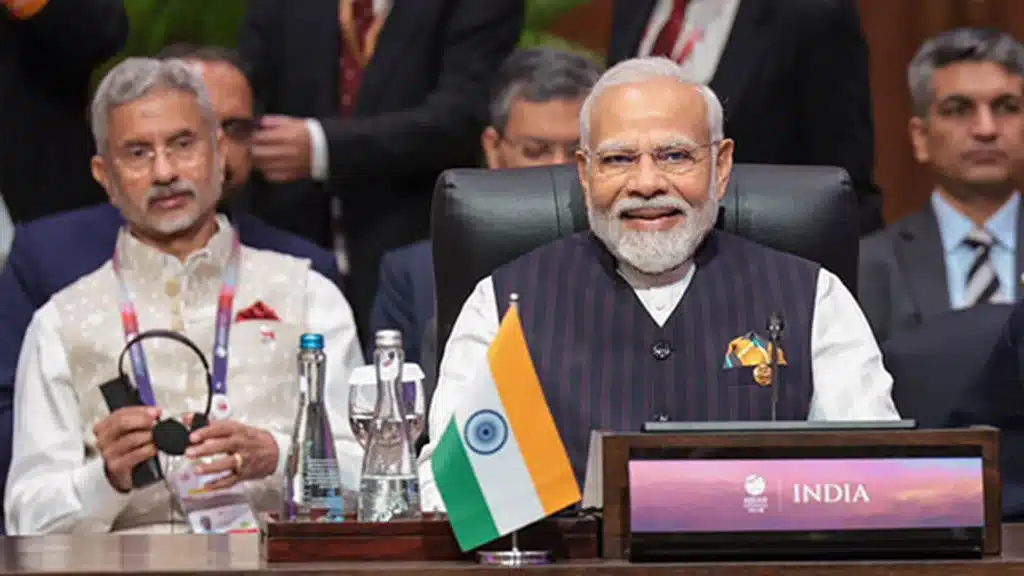
Prime Minister Narendra Modi proposed several initiatives to strengthen India’s partnership with ASEAN countries on Tuesday. He announced the proposals while addressing the 23rd ASEAN-India Summit in Manila, Philippines. Modi stressed the importance of regional cooperation amid growing global uncertainties. He said the world needs peace, stability and predictability. The Prime Minister urged India and ASEAN to shape their shared future through cooperation rather than competition. Together, India and ASEAN represent nearly one-fourth of the world’s population. Modi said their partnership could strengthen regional peace and prosperity. He also reaffirmed India’s commitment to ASEAN’s unity and centrality. He credited India’s Act East Policy with deepening regional engagement. Nine Proposals to Strengthen India-ASEAN Relations Modi proposed a long-term maritime cooperation plan covering connectivity, scientific research and disaster management. The plan would also address Coast Guard cooperation, maritime security and seafarers’ safety. He suggested joint cyber forensics training and technical exchanges in nuclear energy. He also proposed an India-ASEAN Space Hackathon. The Prime Minister called for cooperation in mining and critical minerals. He also proposed youth summits, parliamentary exchanges and startup hackathons. Other proposals included increased scholarships for ASEAN students at Nalanda University. He also suggested free electronic visas for tourists from ASEAN countries. Modi proposed an India-ASEAN Creative Partnership Pavilion at WAVES 2027. The initiative aims to strengthen cultural and creative exchanges. 2027 to Mark Two Major Milestones Modi highlighted the importance of 2027 for India-ASEAN relations. The two sides will mark 35 years of dialogue relations.They will also complete five years of their Comprehensive Strategic Partnership. Modi said both sides must build on their existing cooperation. The leaders adopted a joint statement on cooperation in disaster management. The agreement aims to strengthen regional preparedness and resilience.
16-Year-Old Indian Boy Builds His Own Offline Jarvis

A 16-year-old Indian teenager has turned a science-fiction concept into a working home automation system. Ridit Kumawat has developed an offline, voice-controlled assistant inspired by JARVIS, Tony Stark’s fictional assistant in Iron Man. The system allows users to operate household appliances through simple voice commands. It can switch lights and fans on or off without requiring internet access. Kumawat demonstrated his creation in an Instagram video. He addressed the device as “Jarvis” and instructed it to switch off the lights. The system immediately followed his command. He also demonstrated other commands, including switching off a fan. The project offers a glimpse into affordable, internet-independent home automation. How Does the Offline Jarvis Work? The system uses a microphone to capture spoken instructions. It processes these commands and communicates with connected appliances through a controller. Unlike popular smart assistants, Kumawat’s creation does not depend on an internet connection. This feature makes the project particularly interesting for households seeking offline automation. The system also raises questions about privacy and data security. Offline processing can reduce dependence on external servers for voice commands. However, its actual privacy protections depend on how the device handles and stores voice data. From Science Fiction to Reality Kumawat’s project has attracted attention for bringing a familiar science-fiction idea into everyday life. Although his creation does not replicate JARVIS’s advanced artificial intelligence, it demonstrates practical technological innovation. The project also highlights the growing interest among young people in robotics and home automation. Kumawat has directed interested viewers towards his GitHub profile for further project details. His creation demonstrates how curiosity, technical knowledge and experimentation can produce practical solutions. At just 16, Kumawat has built a system that brings voice-controlled convenience into ordinary homes.
India Raises Export Duty on Diesel and Aviation Fuel
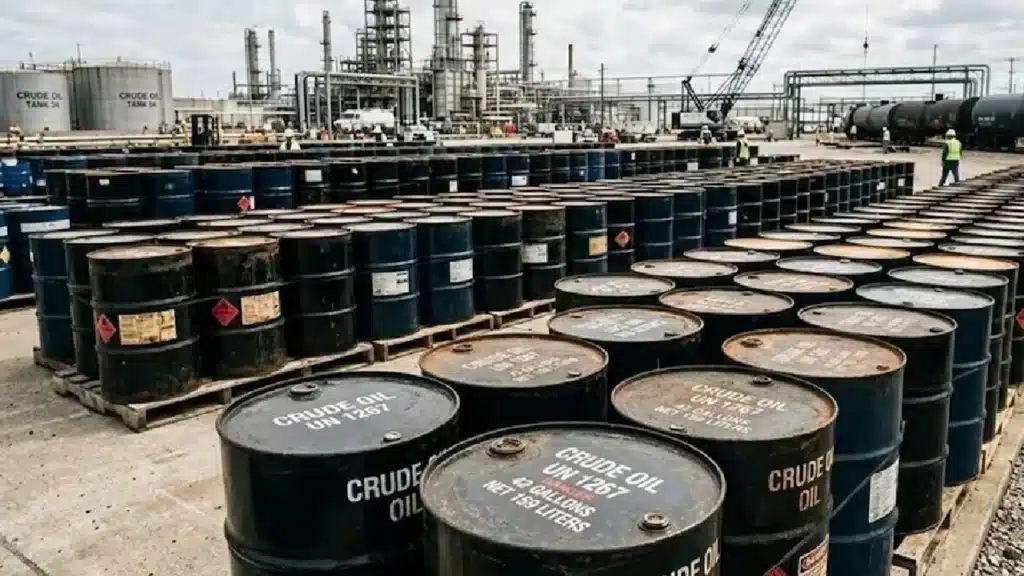
The Indian government has increased the export duty on diesel to ₹14 per litre. Officials also raised the export levy on aviation turbine fuel to ₹12.50 per litre. This adjustment marks the second rise in export levies within three weeks. Specifically, the Finance Ministry increased the special additional excise duty on diesel exports from ₹11.50 per litre. Meanwhile, the ministry raised the export levy on aviation turbine fuel from ₹11 per litre. However, the export duty on petrol remains unchanged at zero. The revised export duty rates came into effect on November 16. This adjustment followed an earlier tax revision on October 31. During that October review, the government raised diesel export duty from ₹8.50 to ₹11.50 per litre. Authorities also increased the aviation fuel levy from ₹10.50 to ₹11 per litre at that time. Additionally, the October revision completely scrapped the ₹2.50 per litre levy on petrol exports. Consequently, diesel export duty has increased by ₹5.50 per litre since late October. Similarly, the aviation turbine fuel levy has risen by ₹2 per litre over the same period. These latest duty modifications apply exclusively to international fuel exports. They do not affect existing excise duty rates on petrol and diesel sold domestically. Therefore, ordinary Indian consumers will see no direct impact on retail fuel pump prices. The government officially confirmed that domestic fuel pricing remains completely unchanged. Likewise, the higher aviation fuel export duty does not alter prices for domestic airlines. Carriers operating within India will continue purchasing aviation turbine fuel at existing domestic rates. The government initially introduced export levies on petrol, diesel, and aviation fuel on March 27, 2026. Authorities implemented these taxes to ensure adequate domestic availability of essential petroleum products. The levies discourage excessive fuel exports following the West Asia geopolitical crisis. That regional conflict pushed up international crude oil prices and raised global supply concerns. By taxing overseas shipments, policymakers protect local fuel reserves against sudden international market shocks. The government reviews these export duties fortnightly based on average international crude oil and product prices. This regular review mechanism allows authorities to adjust levies swiftly in response to global market movements. Ultimately, the policy balances export incentives while maintaining adequate domestic fuel availability across India.
US Intelligence Warns Of Iranian Dirty Bomb Threat In Washington
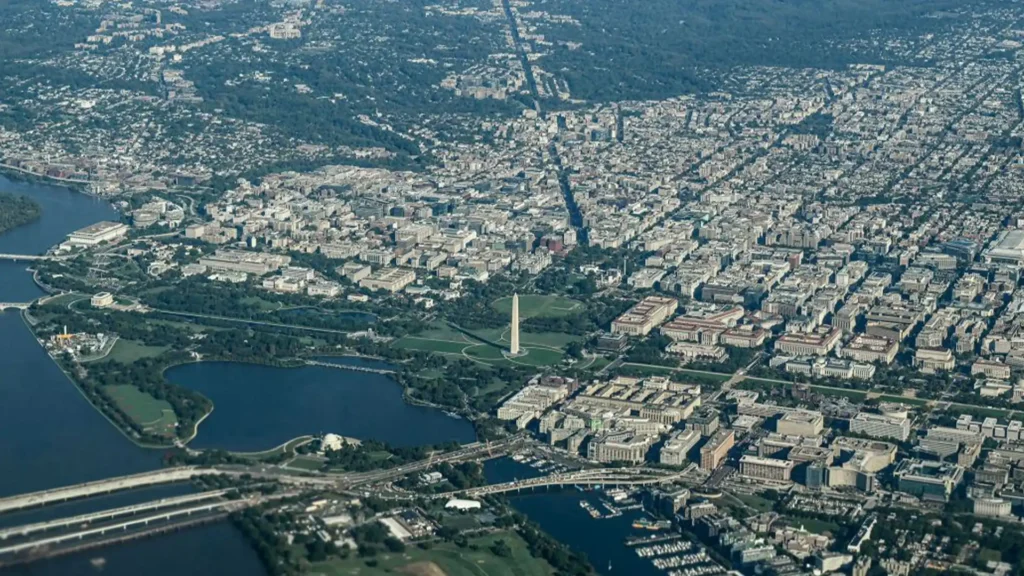
American intelligence agencies have uncovered alarming reports that Iran is formulating plans to detonate a dirty bomb. Officials detected potential plots targeting senior political figures within Washington. The intelligence community believes that operatives could utilize conventional explosives mixed with radioactive materials. Security analysts emphasize that such weapons function primarily as tools of mass disruption and psychological terror. Sources indicate that Tehran has explored multiple contingency scenarios amid escalating regional conflicts. American officials report that acquiring radioactive substances remains a major hurdle for foreign operatives. However, intercepted communications suggest that bomb-making materials may already reside within domestic borders. The White House maintains that current intelligence shows no evidence of an imminent attack. Federal agencies continue monitoring all potential security vulnerabilities across the capital region very closely.
Imran Khan Pleads for Urgent Medical Help
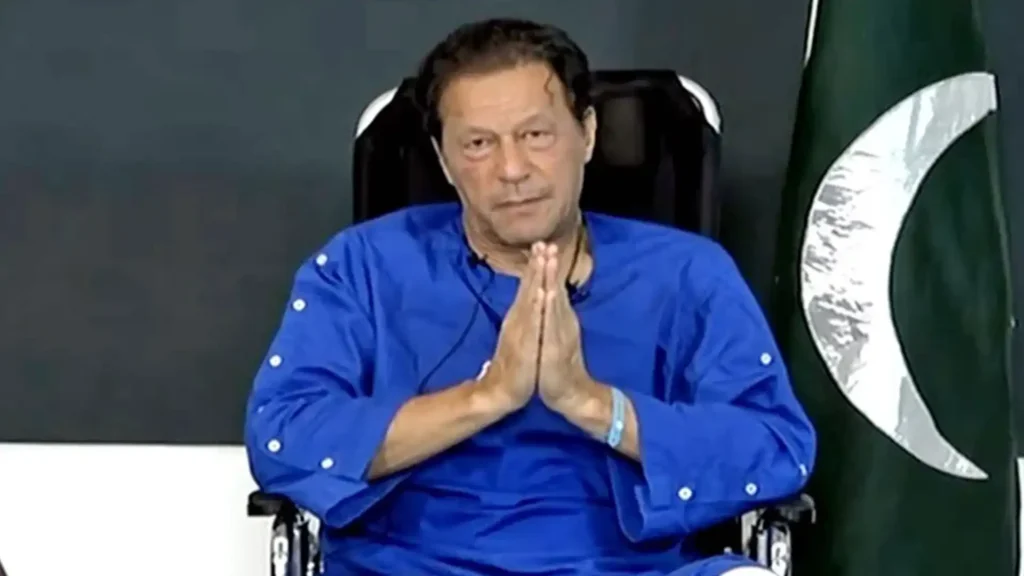
Imprisoned former Prime Minister Imran Khan demands urgent medical attention. He warns that his declining health creates grave dangers. The political leader submits a serious legal appeal to judges. He fears that he may not return alive from detention. Medical concerns mount inside the facility daily. Supporters demand immediate specialist treatment for the former leader. Government authorities reject allegations concerning inadequate healthcare facilities. Officials insist that doctors examine the politician regularly. Medical teams report satisfactory health conditions inside the prison. Legal representatives argue for independent medical evaluations immediately. Human rights advocates express deep worry over the situation. Courts face intense pressure regarding the petition. The ongoing controversy highlights severe political tensions nationwide. Public anxiety grows as supporters await judicial decisions. Observers monitor every legal development closely.
Instagram Head Explains iPhone Duo Layout Challenges

Instagram head Adam Mosseri recently addressed why Apple’s iPhone Duo creates unique interface hurdles for the popular social media platform. Folding and dual-screen hardware introduces distinct display dynamics that standard apps must navigate carefully. When closed, Apple positions system navigation controls along the right edge of the outer display. This placement directly overlaps with Instagram’s like, comment, and share buttons on Reels. Two sets of controls compete for the exact same display strip. Unfolding the device creates different layout complications. Early users noticed the app sitting squarely in the middle with empty borders. Rotating the hardware shifts control buttons unexpectedly, while Stories fail to fill the expanded screen. Developers built traditional apps around standard portrait dimensions. Folding screens require engineering teams to completely rethink how elements scale and respond. Instagram continues updating its software to solve these layout conflicts and improve user experience.
Milk prices in Guwahati rise by Rs 2.60 per litre

Milk prices in Guwahati climbed by Rs 2.60 per litre. The Greater Guwahati Dairy Farmers Association announced this rate revision. Retail milk now costs Rs 71.80 per litre, while wholesale milk prices reached Rs 69.20 per litre. Association leaders implemented these changes starting November 16. Cattle farmers demanded higher procurement rates due to severe financial strains. Rising expenses for cattle feed triggered the decision, alongside climbing packaging and transport costs. Local families now face extra pressure on their household budgets. Essential commodities already display high market rates across the region. Major dairy cooperatives across India raised prices earlier this season. Consumers worry about enduring monthly expenditure growth as daily living costs mount.
Robert Pattinson is named the 7th James Bond

Amazon MGM Studios has officially named Robert Pattinson as the seventh actor to play James Bond. The British star takes over the iconic role from Daniel Craig, whose multi-film tenure concluded in 2021. Industry insiders reported a lengthy casting process before producers selected the actor. Several notable names competed for the legendary part during final auditions in London. Pattinson expressed immense joy regarding his new cinematic chapter. He called the opportunity an absolute honor. Acclaimed filmmaker Denis Villeneuve will direct the upcoming project. Screenwriter Steven Knight will pen the script. This upcoming installment marks the first film produced under Amazon MGM Studios’ direct creative control. The studio shared a striking first-look photograph of Pattinson wearing a classic tuxedo. Fans worldwide responded instantly to the massive casting reveal across social media. Production details and official release dates remain under wraps. Movie enthusiasts eagerly await further updates from the studio.