
CIEL HR Chief Flags India’s Jobs, Skills and Salary Crisis
India’s employment challenge goes beyond creating jobs, as companies struggle to find candidates with suitable skills. CIEL HR Managing Director and CEO Aditya Narayan Mishra has highlighted this growing mismatch. He said the country must address its skills gap to improve employment opportunities. His remarks come amid growing concerns over hiring and salary growth. Speaking at an interview, Mishra discussed India’s employment landscape and challenges facing young jobseekers. His comments followed Prime Minister Narendra Modi’s questions about corporate India’s contribution to job creation. Modi had also raised concerns over stagnant salaries and the need for stronger industry participation. The discussion brought attention to the responsibilities of businesses in India’s employment sector. Mishra said companies cannot continuously increase salaries without generating sufficient profits. He explained that businesses operate in a competitive economy, where financial performance influences salary decisions. However, he stressed that companies must also contribute towards employment generation. He said the responsibility of creating jobs cannot rest entirely with the government. Skills Gap Leaves Vacancies Unfilled Mishra said India does not face only a shortage of job opportunities. The country also struggles with a mismatch between employer requirements and candidates’ capabilities. Many jobseekers lack the expertise required for available positions. This leaves companies struggling to fill vacancies despite the availability of potential candidates. He identified inadequate skills and limited career flexibility as major concerns among young jobseekers. Many candidates hesitate to explore opportunities beyond conventional career choices. Companies sometimes recruit underqualified candidates and provide training after hiring. However, several vacancies remain unfilled because suitable candidates are unavailable. Global hiring trends also influence India’s employment market. Changes in international demand can affect recruitment requirements across industries. Mishra’s observations highlight the need to align education and professional training with industry expectations. Better coordination could help candidates prepare for emerging employment opportunities. AI Changing Workplace Expectations Mishra also highlighted artificial intelligence’s growing influence on workplace productivity. He said AI can significantly reduce the time employees spend completing routine assignments. Preparing a presentation previously required five to eight hours. AI tools can now complete similar work within approximately 30 minutes. However, Mishra cautioned that saved time does not mean reduced workloads. Employers will expect workers to use those additional hours productively. He urged young people to develop skills that complement emerging technologies. Depending entirely on AI-generated outputs could limit their professional growth. Mishra also highlighted free online courses and AI-based learning resources. These platforms can help young people bridge existing skill gaps. He stressed that schools and colleges must prepare students for changing workplace demands. Parents must also understand emerging technologies to guide their children’s career choices.
Sneako’s Taliban Streams Split the Internet
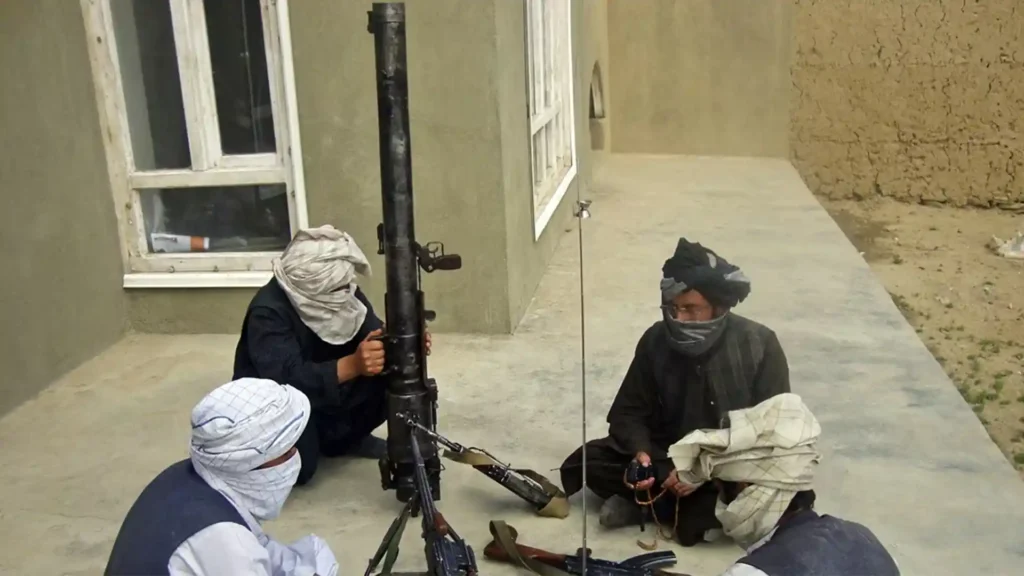
Kick streamer Sneako has ignited a fierce online divide with live broadcasts from Afghanistan, where he interviewed Taliban members.
GTA VI Drops: $1.8B Haul

GTA 6 launched on November 19 and immediately rewrote entertainment records.
Japan Gains First-Time Access to Indian Ranges for Live-Fire Drills

India and Japan took a bold leap in defense cooperation on Thursday. Both nations signed a Letter of Intent allowing Japanese forces to conduct live-fire drills in India. The exercises will include surface-to-ship missile firings starting next year. Top ministers met in Tokyo for the fourth India-Japan 2+2 dialogue. Indian leaders Rajnath Singh and S. Jaishankar joined Japanese counterparts Shinjiro Koizumi and Toshimitsu Motegi. They pledged to speed up coordination between both militaries to launch the drills soon. Japan lacks wide domestic space to test long-range missiles. India offers expansive coastal ranges along the Bay of Bengal with strong tracking systems. Defense officials point to Chandipur in Odisha as a likely venue for these firings. This marks the first time Japanese troops will fire missiles on Indian soil. The ministers also pushed forward major technology and industrial partnerships. Both sides aim to advance work on the UNICORN stealth naval mast system. New Delhi plans to grant initial approval for that project by February 2027. Research agencies DRDO and ATLA will partner on modern missile technology. Both navies also agreed to expand intelligence sharing and joint exercises. Ministers welcomed recent drills like Malabar 2026 and JAIMEX26 held in Japan. External Affairs Minister S. Jaishankar highlighted the value of trusted partnerships for a multipolar Asia. Defense Minister Shinjiro Koizumi called the range access agreement a major strategic step. Both countries will mark seventy-five years of diplomatic ties in 2027. They plan to host the next 2+2 meeting in India.
Delhi Man Poses As Anmol Bishnoi, Held In Extortion Case
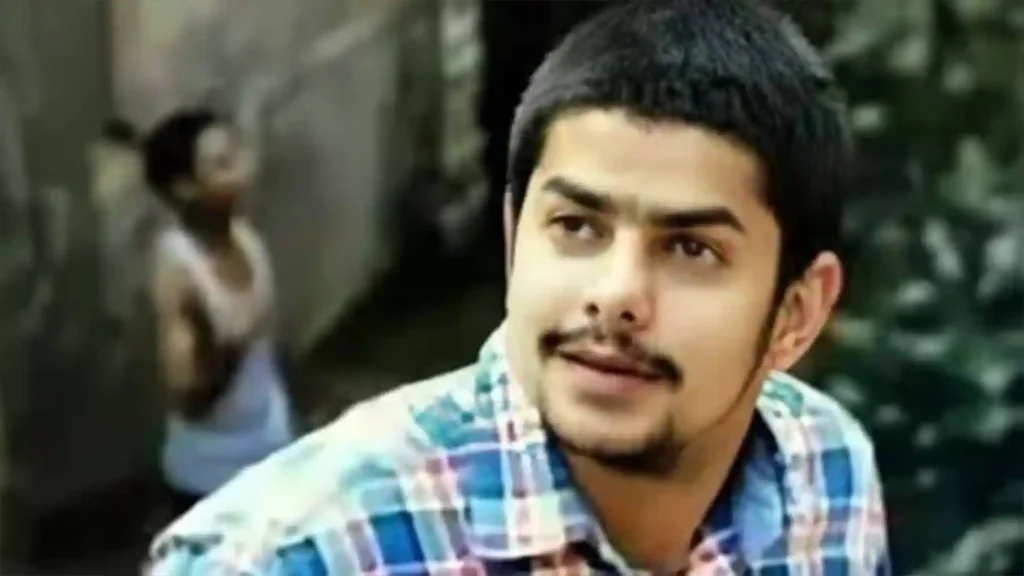
Delhi Police have arrested a 27-year-old man for allegedly impersonating gangster Anmol Bishnoi and demanding Rs 60 lakh from a businessman. The accused allegedly threatened the businessman’s family through messages while posing as the gangster. Police identified the accused as Ashu Maurya, a native of Uttar Pradesh’s Rae Bareli. The case came to light after the businessman, who lives in Janakpuri, approached police with a complaint. His family had received threatening messages demanding Rs 60 lakh. The accused also allegedly sent a strange warning through an envelope containing half of a laminated Rs 10 currency note. Police suspect the currency note served as a hawala-style signal during the extortion attempt. A bike taxi rider delivered the envelope to the businessman’s residence. Investigators examined CCTV footage and identified the rider as 22-year-old Pankaj Gautam. During questioning, Gautam told police that he collected the envelope from Manesar, Gurugram, through an online assignment. Further investigation helped police trace a mobile number registered in Maurya’s name. Officers subsequently tracked him down and arrested him. During interrogation, Maurya allegedly admitted planning the extortion because he needed money. Police also discovered that his father had worked as the businessman’s driver for 27 years. This long-standing family connection reportedly helped Maurya become familiar with the businessman’s household. He allegedly believed that invoking Anmol Bishnoi’s name would frighten the businessman into paying. Anmol Bishnoi is the younger brother of jailed gangster Lawrence Bishnoi. Police said Maurya sent threatening messages to the businessman’s wife while impersonating Anmol. He also allegedly arranged the delivery of the laminated currency note through an online service. Officers recovered four mobile phones, a tablet, a SIM card and the remaining half of the currency note. Delhi Police are investigating the alleged extortion attempt and examining the evidence recovered from the accused. The arrest has exposed how the accused allegedly exploited a family’s trust and a gangster’s notoriety to demand money.
Amit Shah Urges Agencies to Hunt Down Foreign Fugitives
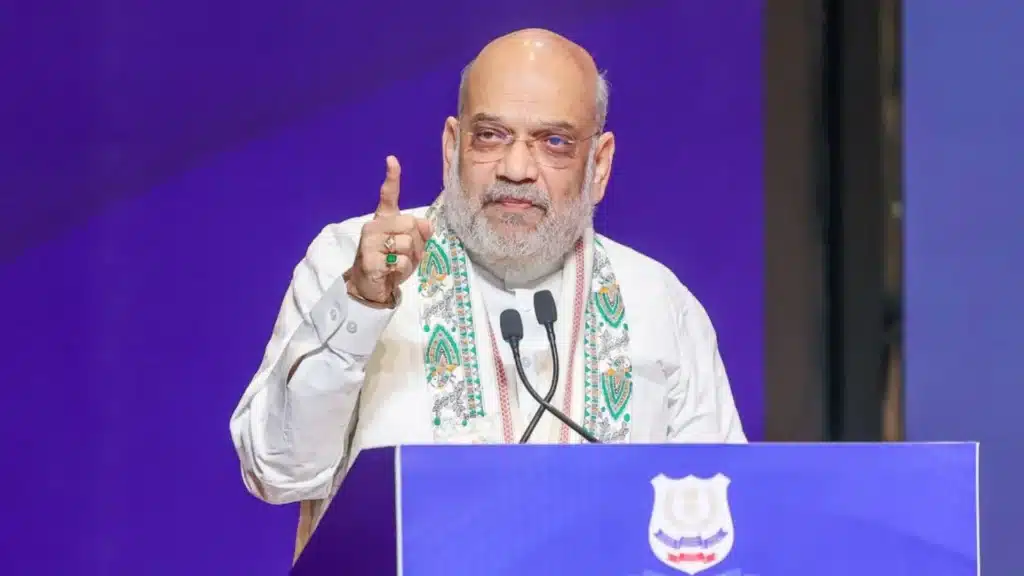
Union Home Minister Amit Shah urged security agencies to bring back fugitives hiding abroad to end terrorism. He spoke at a two-day counter-terrorism conference in New Delhi on November 19, 2026. The National Investigation Agency organized this event on cross-border terrorism. Shah stated that returning fugitives and masterminds helps eliminate terrorism, organized crime, and smuggling. India brought back 303 fugitives from 36 countries since 2019 through a special drive. The Central Bureau of Investigation and intelligence agencies used scientific methods to achieve these returns. Shah noted that security forces eliminated local terror recruitment in Jammu and Kashmir after killing Lateef Bhat. He praised security forces and intelligence agencies for reaching this milestone after 35 years. Authorities also banned the Shahzad Bhatti network under the Unlawful Activities Prevention Act. Police and central agencies registered over 100 cases and arrested more than 271 people. Investigators dismantled more than 40 modules of the network across India. The NIA, Enforcement Directorate, and state police conducted coordinated searches before imposing the ban. Officials at the conference focused on cross-border intelligence sharing and digital forensics. Participants discussed gathering evidence from foreign nations, fighting terror financing, and countering radicalization. Teams also explored better trial management, witness protection, and stronger state-central coordination. Day two covers civil aviation security, port security, left-wing extremism, and narcotics countermeasures. Shah emphasized a zero-tolerance policy against terrorism under Prime Minister Narendra Modi. Lawmakers strengthened the NIA Act in August 2019 to support these ongoing operations.
White House Fires Cyber Chief Amid Nationwide Tech Outages
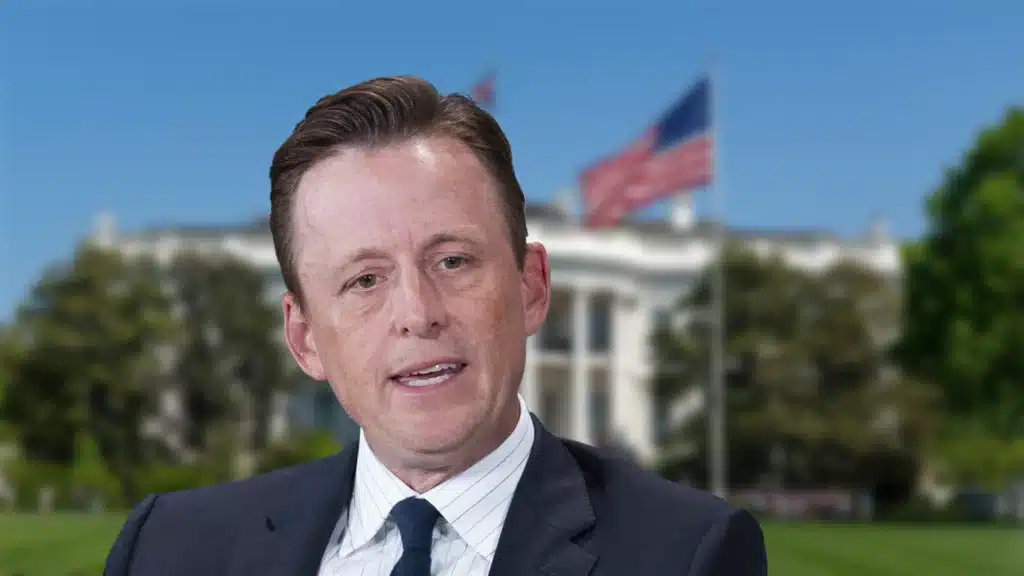
The White House fired National Cyber Director Sean Cairncross on Thursday following a wave of disruptive technology failures. A source close to the administration confirmed his sudden departure to Reuters. Days earlier, severe technical glitches crippled American air travel, major banking institutions, and sensitive national security networks. Cairncross previously directed federal cybersecurity policy and strategy across government agencies. Now, Department of Defense chief information officer Kirsten Davies will step into the critical role temporarily. An anonymous White House insider stated that President Donald Trump fully backed the decision to remove Cairncross. Meanwhile, Cairncross declined all media requests for comment regarding his abrupt exit. Axios initially broke the story of the leadership shakeup. Anonymous officials told the outlet that White House Chief of Staff Stephen Miller aggressively pushed for the firing. Miller reportedly believed Cairncross lacked the deep technical credentials necessary to handle the high-stakes job. Before joining the administration, Cairncross worked as a political executive at the Republican National Committee. Over the past week, cascading system failures repeatedly disrupted daily life across the United States. One major glitch forced a nationwide halt to commercial flights. Another Microsoft failure knocked out vital email services, while a separate disruption temporarily hit the National Security Agency network. Critics swiftly condemned the Trump administration for its sluggish response to these widespread infrastructure breakdowns. On Wednesday, the top American intelligence official addressed the growing public alarm. He insisted that routine maintenance and technical updates triggered separate service failures rather than a coordinated foreign cyberattack. Looking ahead, any permanent replacement for Cairncross faces a difficult confirmation battle. Incoming Democratic senators will control the chamber starting in January and closely scrutinize the next nominee.
Bulandshahr Gunfight Ends Reign of Gangster Naseem Durrani
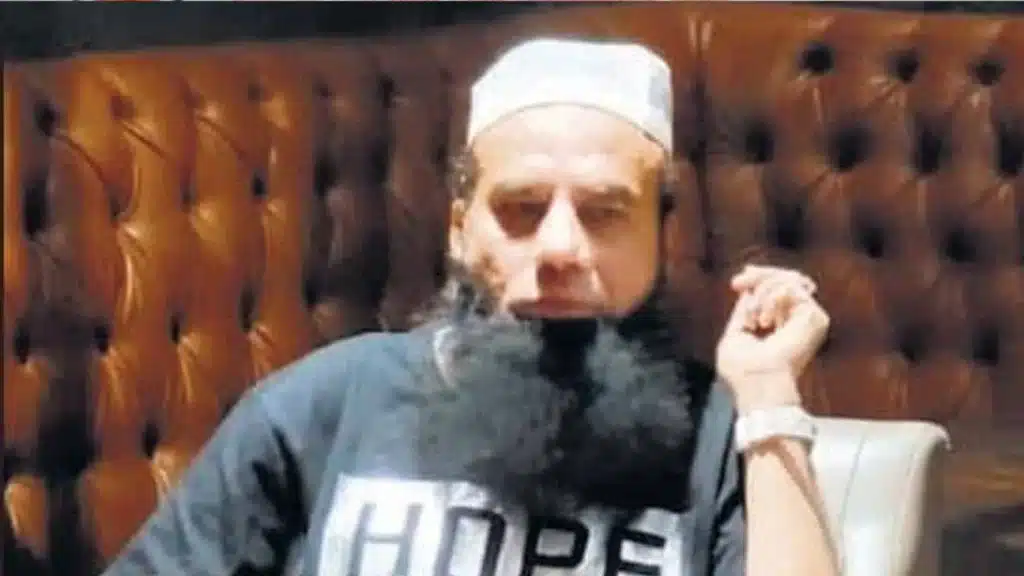
Police teams from Delhi and Noida STF shot dead gangster Naseem Durrani during a fierce encounter in Bulandshahr, Uttar Pradesh. Durrani held close ties with underworld syndicate D-Company and don Dawood Ibrahim. Officers tracked his movements across state lines after his name surfaced in a deadly northeast Delhi shooting. Investigators link Durrani directly to the November 16 killing of 26-year-old Sameer near Delhi Law Minister Kapil Mishra’s office. Gunmen fired roughly 20 rounds at Sameer in the Khajuri Khas and Sonia Vihar belt. Doctors at a nearby hospital pronounced Mustafabad resident Sameer dead upon arrival. Joint teams cornered Durrani in Bulandshahr after gathering intelligence on his hideout. Exchanges of gunfire erupted as officers moved in to capture the fugitive. Bullets struck Durrani during the clash, leaving him critically wounded. Medical staff at a hospital later declared him dead during treatment. Police records show over 25 criminal cases against Durrani across jurisdictions. Charges include murder, attempted murder, and robbery. Officers also tied him to another fatal shooting in northeast Delhi over recent months. Intelligence officials noted Durrani maintained regular contact with Chhota Shakeel, a key Dawood Ibrahim lieutenant. Shakeel allegedly hired Durrani in 2016 to target jailed rival Chhota Rajan. Investigators also accused Durrani of plotting an attack against Pakistani-Canadian journalist Tarek Fatah. The operation dealt a sharp blow to cross-border syndicate networks operating near the capital. Delhi Police and Noida STF teams continue probing Durrani’s local associates and logistics chain. Officers examine seized weapons and call records to trace remaining accomplices in the November 16 murder.