
Bengal minister Bratya Basu threatens police over EC orders
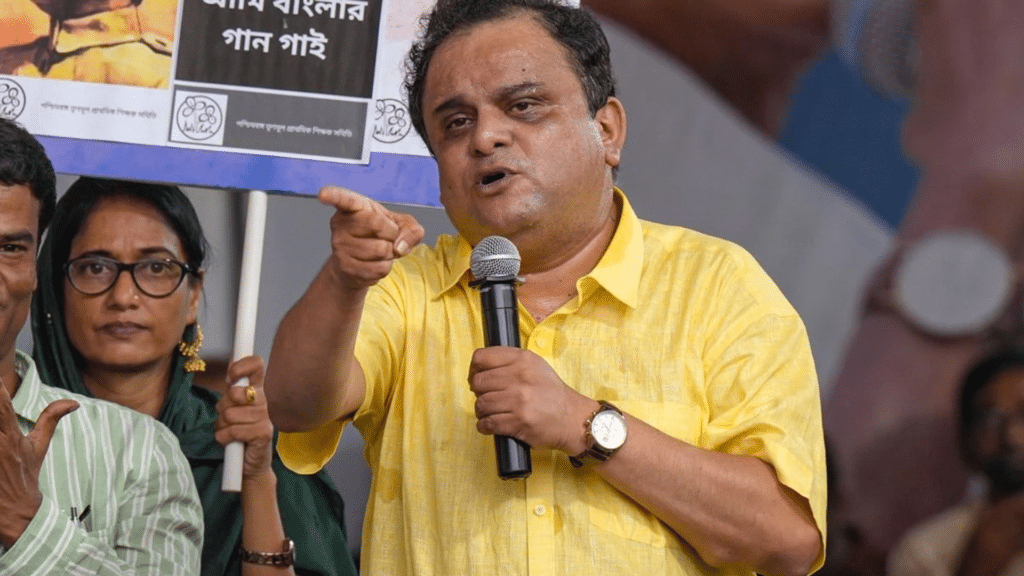
A political controversy has intensified in West Bengal after a viral video of state minister Bratya Basu surfaced ahead of the 2026 Assembly elections. In the clip, Basu is allegedly heard cautioning police personnel against strictly following directives issued by the Election Commission of India during the poll period. According to the allegations, he suggested that officers who adhere too closely to these instructions are being “noted,” implying possible consequences if the ruling All India Trinamool Congress, led by Chief Minister Mamata Banerjee, returns to power. The remarks have drawn strong criticism from opposition parties, who accuse the state leadership of attempting to influence the police and undermine the fairness of the electoral process. Critics stress that law enforcement must remain neutral to ensure free and fair elections. The controversy comes amid an already charged political atmosphere in West Bengal, with tensions expected to rise further as the elections approach. The role of the Election Commission of India and the conduct of the police are likely to remain under close scrutiny. So far, Bratya Basu has not issued a detailed response to the viral video. The episode has added to the ongoing political debate in the state, raising questions about governance, institutional independence, and the conduct of key stakeholders during elections.
“Samajwadi Party has a history of being anti-women”: PM Modi
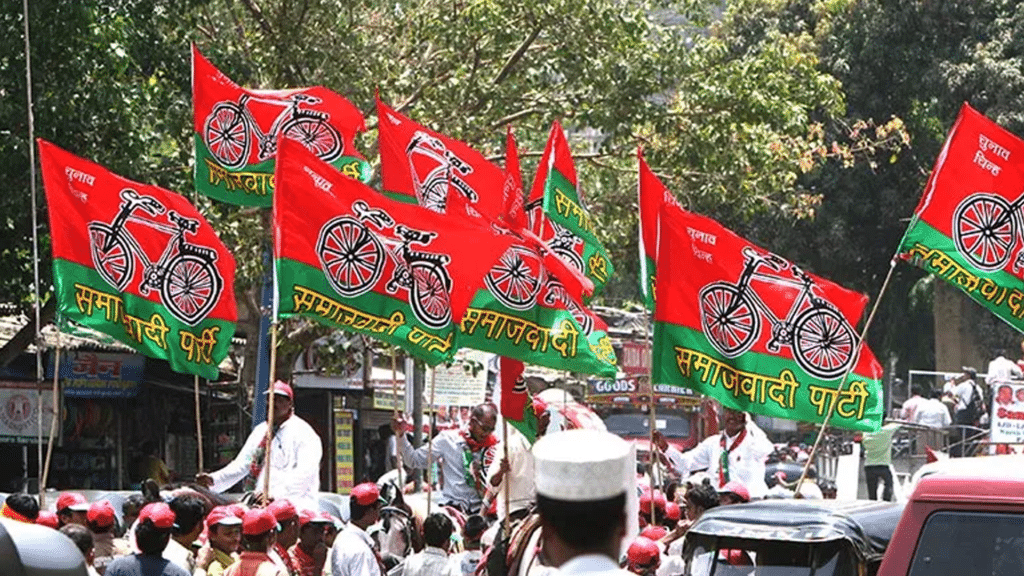
Prime Minister Narendra Modi sharply criticised the Samajwadi Party, alleging that the party has a long-standing record of neglecting women’s empowerment and has done little to promote their participation in politics. He accused the party of opposing efforts to advance women’s representation, particularly the Nari Shakti Vandan Adhiniyam, which seeks to reserve 33% of seats in the Lok Sabha and state assemblies for women. According to Modi, the Samajwadi Party’s demand for a caste census and sub-quotas stalled progress on the initiative. The Prime Minister also said the party had drifted away from the principles of Ram Manohar Lohia, noting that Lohia’s vision was rooted in social justice and reform. The debate comes as discussions continue over the implementation of the 33% reservation, which is tied to a future delimitation exercise. Several opposition parties, including the Samajwadi Party, have expressed concerns over the delay and have called for additional provisions such as caste-based sub-quotas. Modi said the moment offered an opportunity for the party to demonstrate its commitment to women’s empowerment, but argued it had failed to do so. He maintained that the government’s move represents a significant step toward greater gender equality in governance. The remarks are part of a wider political debate over women’s reservation in India, with differing views on its scope, structure, and timeline continuing to shape discussions both in Parliament and in the public sphere.
“We want 50% women’s reservation not 33%”: Cong women leaders’
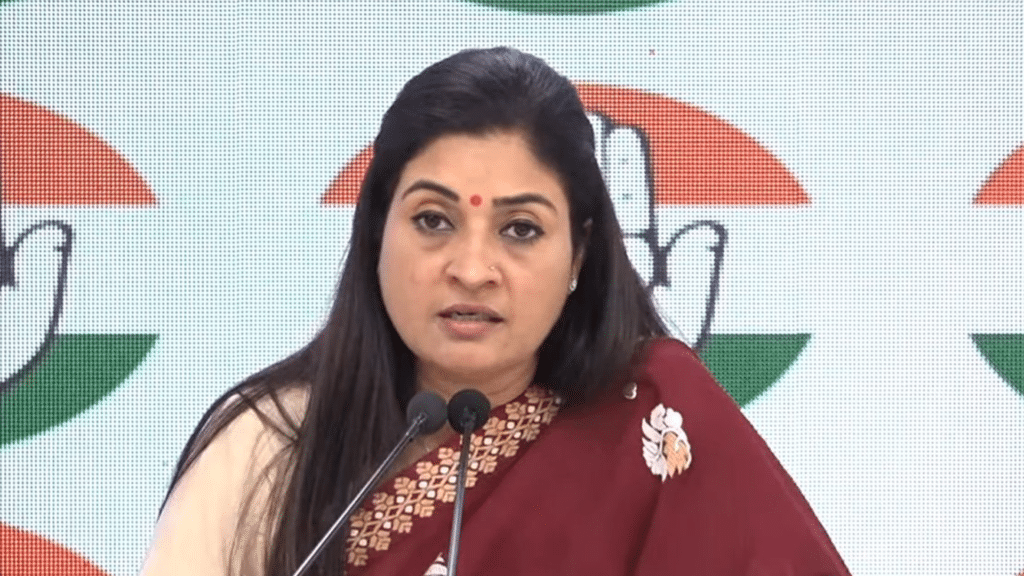
A fresh debate over women’s political representation has emerged, with leaders from the Indian National Congress demanding 50% reservation for women, rejecting the 33% quota proposed under the Nari Shakti Vandan Adhiniyam. The demand was raised during a protest organised by the party’s women’s wing, where several leaders voiced dissatisfaction, calling the proposed quota inadequate. Alka Lamba said women should have equal representation in governance rather than a limited share. Protesters argued that the current framework does not sufficiently address the persistent underrepresentation of women in Parliament and state assemblies. The situation briefly turned tense when a journalist questioned leaders about the timeline for implementing the law, particularly its linkage to delimitation. Party workers responded with slogan-shouting and attempted to push the reporter aside. The Nari Shakti Vandan Adhiniyam provides for 33% reservation for women in the Lok Sabha and state assemblies, but its rollout is tied to a future delimitation exercise. This condition has drawn criticism from opposition leaders, who say it delays actual implementation. The protest highlights an ongoing divide over the scope and timing of women’s reservation in India. While the government has described the law as a significant step forward, leaders from the Indian National Congress continue to push for a larger and more immediate framework to ensure greater representation of women in politics.
Lenskart trainee fired for refusing to cut shikha & remove tilak

A controversy has emerged after a Mumbai trainee alleged Lenskart dismissed him for refusing religious grooming instructions. The trainee, Zeel Soghasia, claimed trainers asked him to remove tilak and cut his shikha. He said he refused to comply with the instructions and was subsequently removed from training. The issue gained wider attention after a purported internal grooming policy began circulating online recently. The document reportedly discourages visible symbols like tilak, bindi or kalawa for customer-facing employees. It allegedly permits items such as hijabs and turbans, prompting criticism over inconsistent treatment. This perceived inconsistency triggered online backlash, with many accusing the company of discriminatory practices. Some argue companies often enforce grooming standards to maintain a consistent professional brand image. They say such rules are common, especially in retail roles involving frequent customer interaction. Others counter policies must respect India’s religious diversity and individual rights of expression. With debate intensifying, pressure is growing on Lenskart to publicly clarify its position. The company has not issued a detailed response addressing the trainee’s allegations yet. It also has not commented on the authenticity of the leaked document. The episode reignited debate over inclusivity, dress codes, and balancing faith with workplace expectations.
“It’s my husband’s birthday, keep questions short”: Priyanka Gandhi
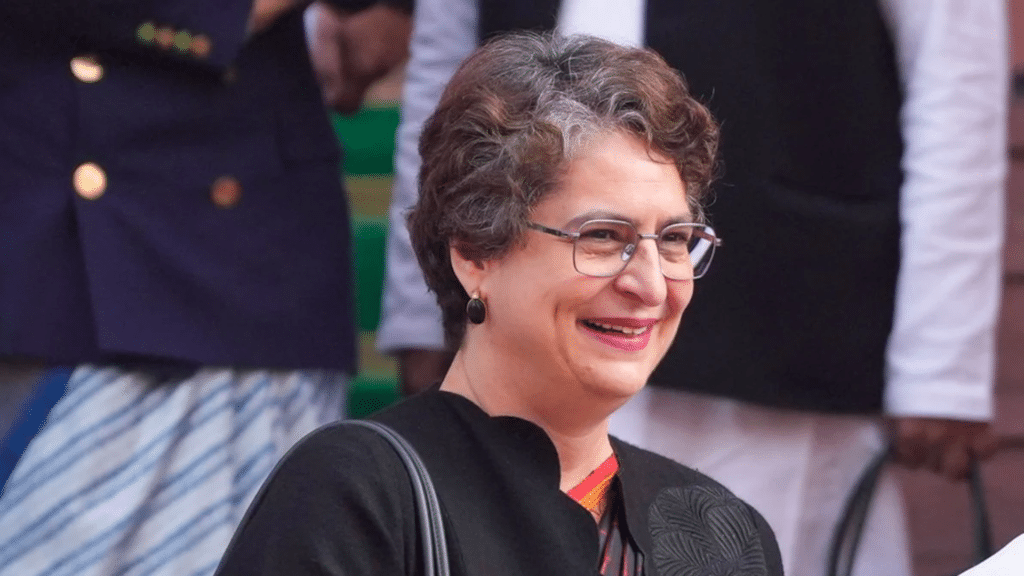
Priyanka Gandhi on Saturday gave a brief response when reporters asked about the Opposition’s stance on the Women’s Reservation Bill, saying, “It’s my husband’s birthday, keep questions short.” Journalists had sought her views on the proposed legislation, which aims to reserve 33% of seats for women in the Lok Sabha and state legislative assemblies. The bill remains a key issue of debate between the government and the Opposition. While the government has projected the measure as a significant step toward increasing women’s representation in politics, Opposition parties have raised concerns over its implementation timeline and clarity on execution. Priyanka Gandhi’s remark stood out as a brief, personal aside during an otherwise serious political discussion surrounding a widely debated reform.
Bhim Army activists perform risky sword stunt in Bijnor; case filed
A group of Bhim Army supporters in Bijnor performed a risky sword stunt in a public area, which came to light after a video of the act circulated online. The footage shows individuals wearing “Jai Bhim” T-shirts and waving flags, while one man kneels and another swings a sword dangerously close to his neck, narrowly missing him. The act has raised concerns over public safety. After the video surfaced, some alleged that it was intended to provoke, prompting police intervention. A case has been registered at Shiwala Kalan police station, and an investigation is underway.
TMC goons clash with police during BJP campaign in Bengal polls
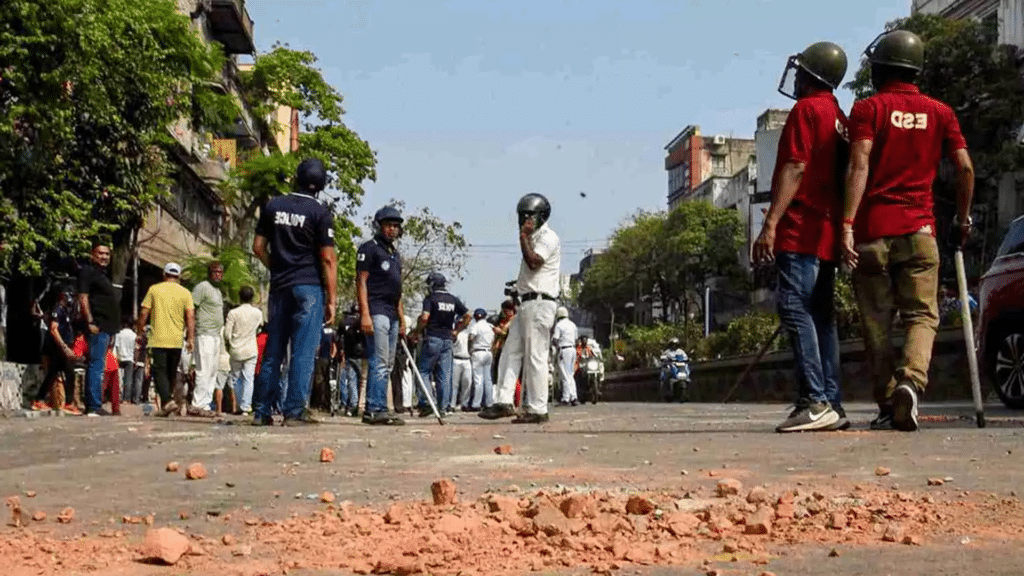
West Bengal’s election atmosphere is turning increasingly tense after a clash broke out during a BJP rally, involving Trinamool Congress (TMC) workers and police personnel. The incident has added to the rising political friction in the state as campaigning gains pace. The confrontation reportedly occurred amid heightened activity by party workers, prompting police to intervene and bring the situation under control. Details regarding injuries or arrests remain unclear, with both sides blaming each other for the escalation. The BJP has expressed concern over the state’s law-and-order situation and has called for the deployment of Central Reserve Police Force (CRPF) personnel to ensure free and fair polling. The party argues that central forces are necessary to maintain neutrality and prevent any form of voter intimidation. In response, the TMC has dismissed these concerns, accusing the opposition of exaggerating routine law enforcement actions. Party leaders have maintained that the state administration is fully capable of managing election security. With the polls approaching, such incidents are expected to keep tensions elevated as political parties intensify their campaigns. Authorities are likely to remain vigilant to prevent further unrest and ensure a smooth electoral process
“We will bury alive any goons who harm you”: CAPF to women
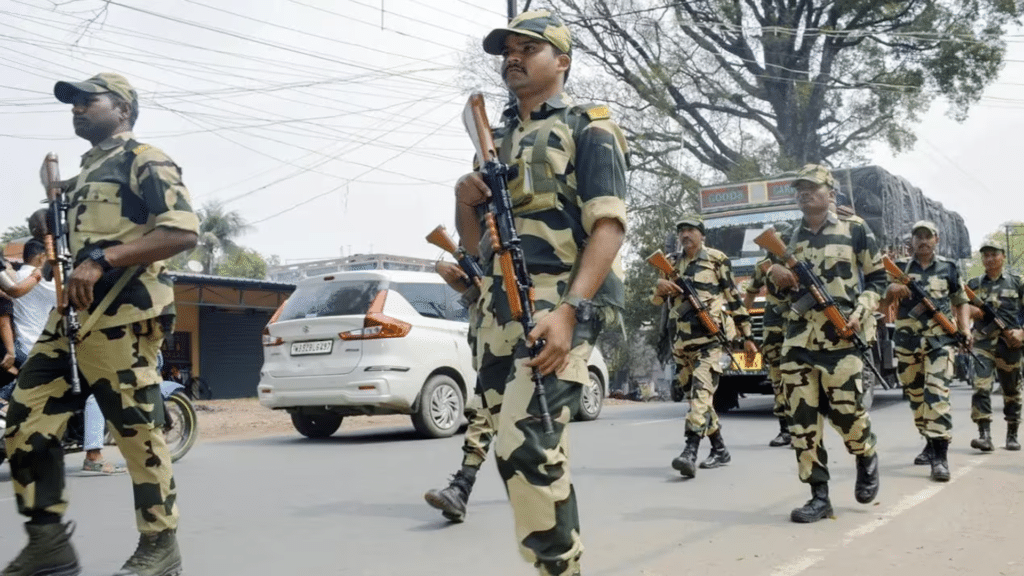
A video from West Bengal isgoing viral, showing a CAPF officer speaking to a group of women voters. The officer urged the women to cast their votes without fear, assuring them of their safety. He also warns that anyone attempting to threaten or disturb voters would face strict action. The incident reflects the extensive deployment of central forces across West Bengal to ensure peaceful polling. Authorities have repeatedly stressed that safeguarding voters remains a key priority, particularly in regions where concerns about political pressure have been reported.