
Priyank Kharge Defends Tipu Sultan, Targets BJP & RSS
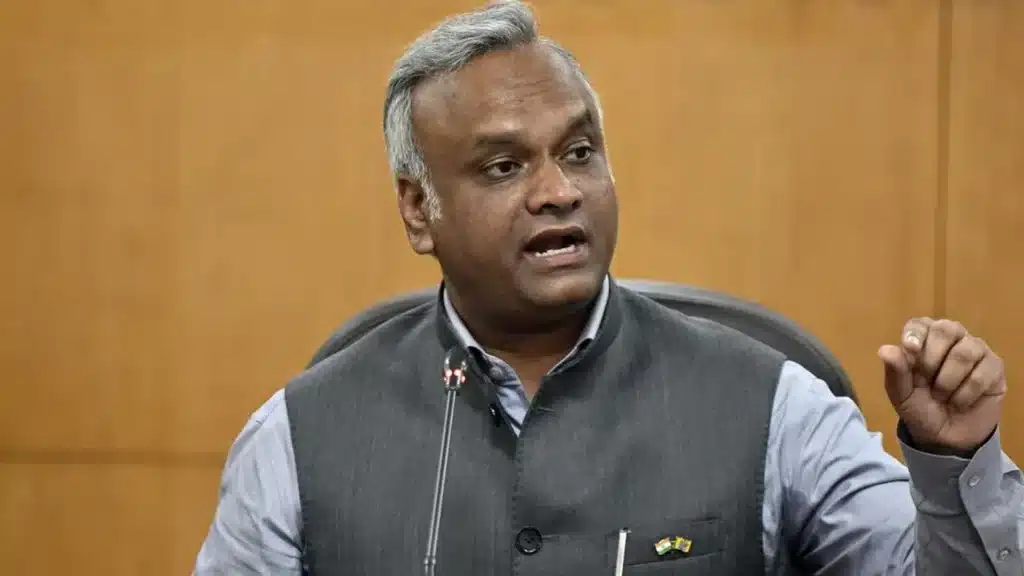
Karnataka Minister Priyank Kharge strongly criticized the Bharatiya Janata Party and the Rashtriya Swayamsevak Sangh regarding India’s history. His remarks followed a memorandum submitted by the organization Tehrik-e-Khudadaad to the state government. That representation requested the restoration of official Tipu Sultan Jayanti celebrations across Karnataka. Additionally, the group called for an examination of school textbooks covering Tipu Sultan and Hyder Ali. Addressing the media, Kharge mounted a fierce defense of the eighteenth-century Mysore monarch. “The BJP needs to get its history right,” Kharge asserted during his press briefing. He highlighted that Tipu Sultan courageously fought four Anglo-Mysore Wars against the British. In contrast, the Congress leader alleged that the RSS avoided the anti-colonial freedom movement entirely. “The RSS did not even participate in the freedom struggle,” Kharge claimed directly. Detailing his accusations, he listed landmark national protests to substantiate his argument. Kharge noted that the Sangh stayed away from the Non-Cooperation Movement and the Dandi March. Furthermore, he stressed their absence from the Civil Disobedience Movement and the Quit India Movement. Representatives of the organization never joined the historic Round Table Conferences, he argued. “They did nothing, and they are the ones dictating terms,” the minister remarked sharply. Targeting the opposition party further, Kharge pointed out contradictions within the state BJP leadership. He recalled that former Chief Minister B.S. Yediyurappa had previously praised Tipu Sultan in print. According to Kharge, the BJP alters its public posture purely for electoral convenience. “When they want votes, they are pro-minority; when they don’t, they behave like this,” he stated. Every administration must confront historical records responsibly rather than attempting to rewrite them, he maintained. “You cannot simply erase history, whether you like it or not,” Kharge concluded firmly. Official decisions regarding the restoration of celebrations remain under consideration by the state cabinet.
Is Diwali Really the Problem?
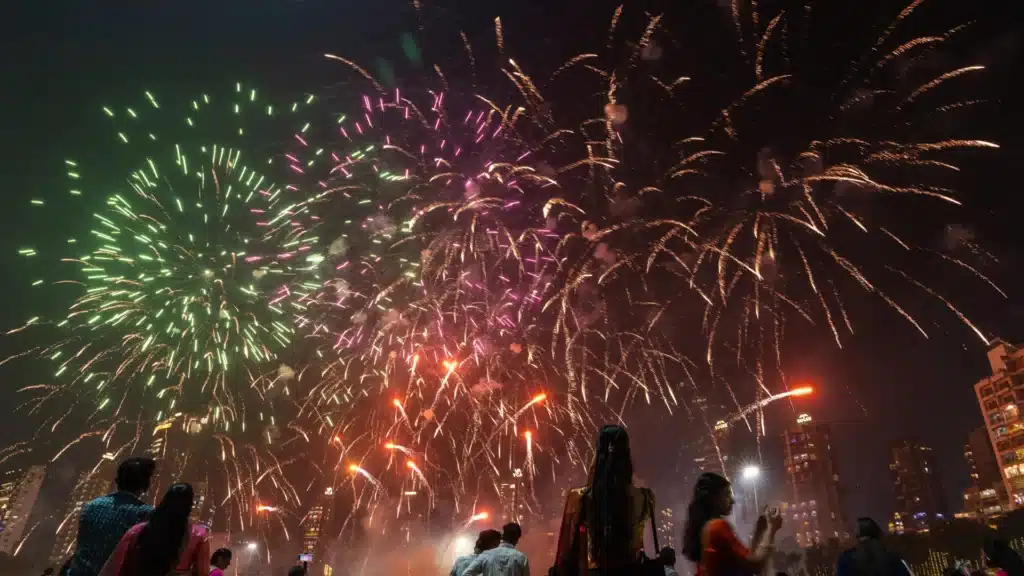
Firecrackers do pollute, and nobody seriously disputes that. But a one-night villain is a convenient story.
Chennai Open Final Postponed Amid Rising Smog

Air pollution disrupted professional tennis in Chennai after thick smog and heavy rainfall forced organisers to postpone the women’s singles final of the WTA 250 Chennai Open. The title clash between Indonesia’s Janice Tjen and Poland’s Magda Linette was originally scheduled for Sunday evening but moved to Monday morning. The SDAT Tennis Stadium was engulfed in smoke following Diwali firecracker celebrations, reducing visibility around the venue. Persistent rainfall had already delayed the match, forcing organisers to reschedule its start several times. Although officials initially planned to begin the final at 9 pm, worsening visibility and concerns over air quality prevented the match from proceeding. Both players reportedly discussed the conditions with tournament supervisor Sheetal Iyer before leaving the court. The pollution readings also raised concerns among the players. A reading shared on social media showed an AQI of over 1,500 near the venue. However, this figure came from a private monitoring platform and differed from official citywide readings. Defending champion Janice Tjen expressed her frustration over the organisers’ initial attempts to proceed with the match. She shared a photograph of the smog on Instagram with the caption, “And they still wanted the match to go ahead.” The postponement also drew attention to the impact of air pollution on professional sporting events. Players, officials, ball boys and spectators were all present at the affected venue. The final eventually took place on Monday, November 9, at 11 am. Linette defeated Tjen 5-7, 6-1, 6-4 to claim the Chennai Open title. The incident has brought renewed attention to the challenges of conducting outdoor sporting events during periods of severe pollution. It also highlighted the importance of considering local weather and air quality conditions while scheduling major tournaments.
Bus set ablaze, crude bombs explode outside South East University
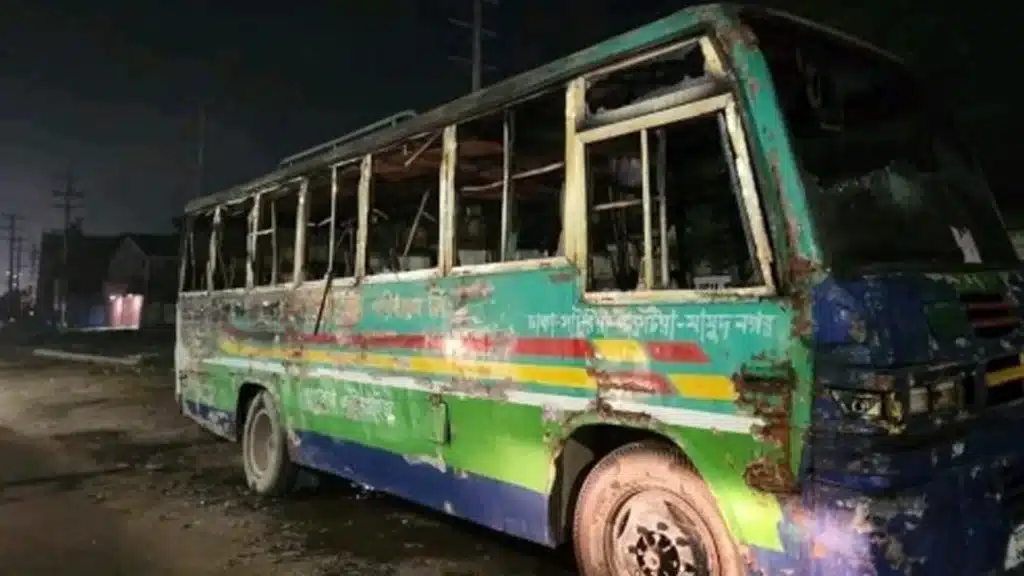
Dhaka faced widespread terror as fresh unrest destabilized the capital city. Unidentified assailants set a passenger bus ablaze directly beneath a metro station structure. Moments later, two crude bombs exploded right outside the gates of South East University. Panic gripped students and commuters as heavy smoke filled the surrounding streets. Emergency teams quickly rushed to the scene to extinguish the blazing vehicle. Authorities reported no immediate casualties from the dual blasts, but property damage remains significant. Security forces cordoned off the area to collect evidence and prevent further violence. This violent escalation follows an intense call for action across the nation. Discontented student organizations and opposition factions called for a nationwide strike on November 10. Organizers urge citizens to unite against the interim administration. Political tensions have mounted steadily in Bangladesh over recent months. The current crisis unfolds barely two years after former Prime Minister Sheikh Hasina lost power following mass protests. Disaffected groups now demand systemic reforms, lower commodity prices, and immediate elections. Police officers have intensified security checkpoints across all major transit hubs in Dhaka. Security officials warn against lawlessness and vow to track down all instigators. Meanwhile, public transport operators have halted services on several key city routes. City residents remain fearful of additional explosions as night approaches.
Punjab Blazes: Diwali Sees Record Surge of 1,152 Stubble Fires
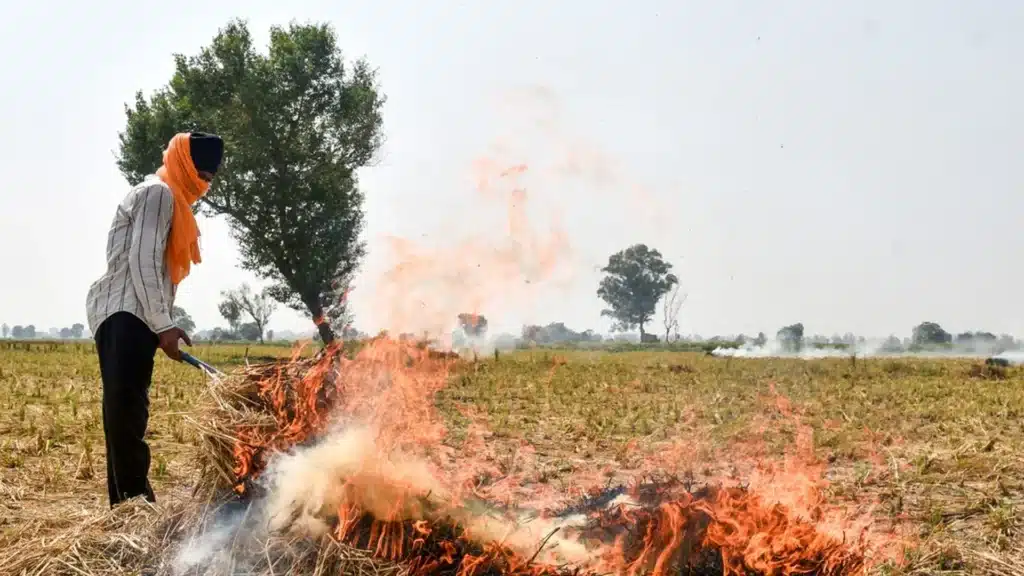
Punjab reported a massive spike in farm fires on Diwali. Farmers set 1,152 blazes in a single day across paddy fields. This single-day tally marks the sharpest surge of the current harvesting season. The sudden outbreak pushed the total seasonal fire count from 3,307 to 4,459. This represents a single-day increase of nearly 35 percent. Sangrur district led the daily tally with 194 fresh fires. Ferozepur recorded 157 blazes, while Bathinda registered 132 incidents. Officials noted that five key districts accounted for nearly 58 percent of all new fires. Narrowing time windows for winter crop sowing drive this sudden burning spree. Farmers clear paddy residue rapidly to prepare fields for wheat. Over 91 percent of paddy harvesting stands complete in the state. Yet, concentrated late-season burning completely erased previous regional progress against seasonal stubble burning. The massive smoke plumes directly aggravated air quality across northern India. Neighboring regions, including Delhi, woke up to dense toxic smog. Multiple monitoring stations in the national capital registered air quality index levels in the severe zone. Medical experts warn about severe risks to children, elderly citizens, and individuals with respiratory conditions. Enforcement agencies have intensified field actions to curb illegal crop burning. Authorities registered over 800 police cases under local regulations. Revenue officials marked more than 1,000 red entries on farm land records. The state imposed over ₹62 lakh in environmental compensation fines against violators. However, recovery rates remain low, with officials collecting just half the total fine amount. Special flying squads continue inspecting vulnerable agricultural belts across the region.
China October Trade Surplus Crosses One Trillion
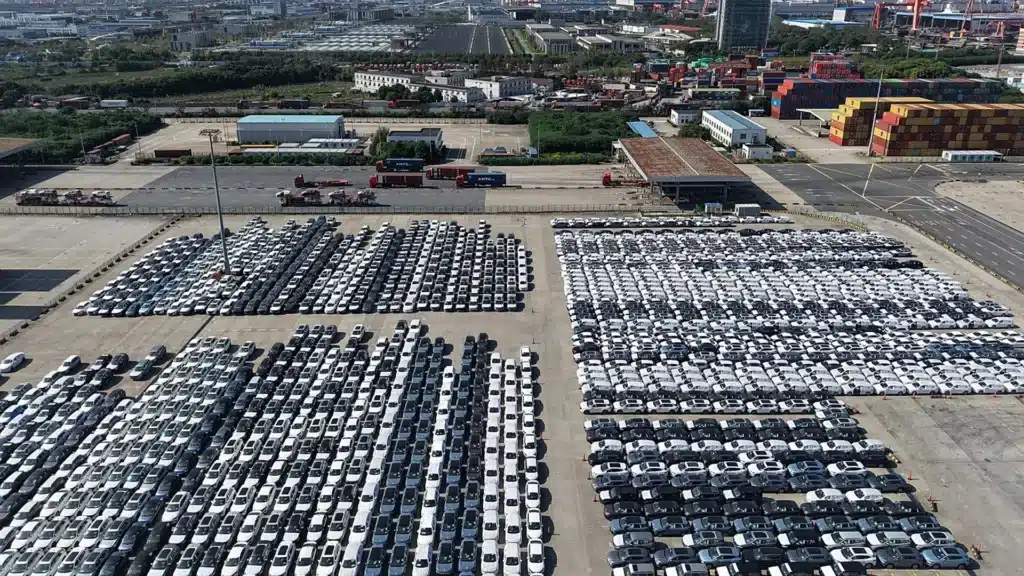
China reported strong international trade growth for October. Official customs data showed massive gains. Goods exports jumped 35.2% year-on-year. Global demand for artificial intelligence hardware drove this surge. Computer chips and servers led technology shipments. Meanwhile, inbound shipments accelerated at an even faster pace. Imports surged 41.6% compared to last year. Economists surveyed by Reuters expected much lower figures. Strong appetite for industrial materials fueled the jump. Domestic industries bought more copper and energy supplies. Despite rising import costs, the monthly trade balance remained positive. The monthly surplus reached $105.3 billion. Robust autumn shipments pushed cumulative figures higher. China surpassed a one-trillion-dollar trade surplus for the year. This milestone arrived earlier than previous historical records. Analysts noted mixed signals within the broader economic data. Weak domestic consumption continues to challenge local markets. However, foreign manufacturing demand offsets internal retail sluggishness. Trade partners continue buying Chinese goods aggressively. Policymakers monitor these shifting global dynamics closely.
Ex-WHO Scientist Urges Covid-Like Response to Pollution
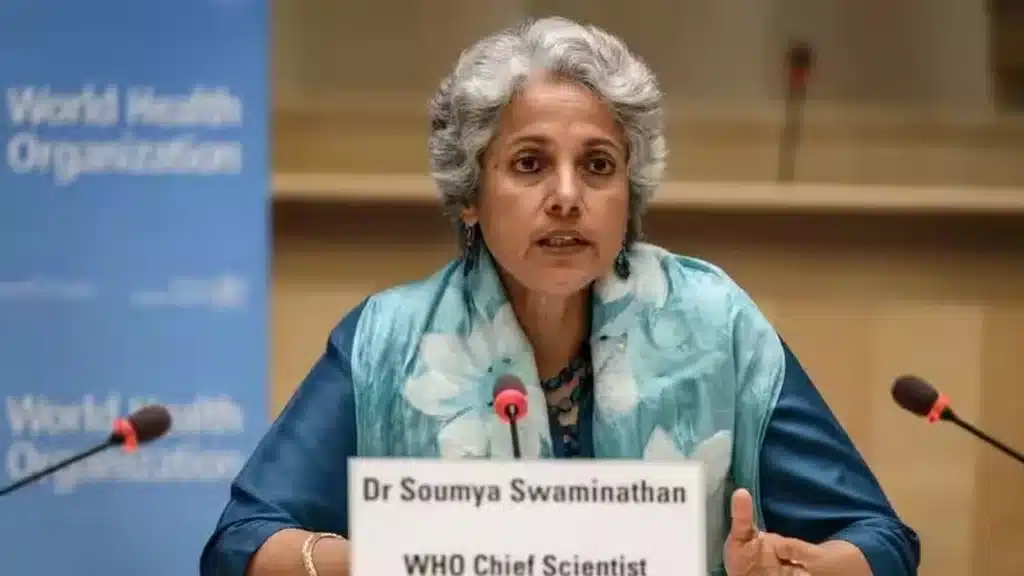
Former World Health Organization (WHO) chief scientist Dr Soumya Swaminathan has called for a nationwide, Covid-like response to tackle India’s worsening air pollution crisis. She warned that prolonged exposure to toxic air could cause lasting damage to children’s health and development. In an interview with India Today, Swaminathan described the government’s current approach as “too little, too late”. She urged authorities to treat air pollution as a public health emergency rather than an annual environmental concern. Citing estimates from the Indian Council of Medical Research (ICMR), she said air pollution contributes to approximately two million deaths in India every year. She also highlighted the growing risks for pregnant women, unborn babies and young children. According to Swaminathan, exposure to polluted air can affect lung development, brain function and cognitive abilities in children. She warned that some consequences may become visible only years later. She also raised concerns about possible links between air pollution and conditions such as dementia, Parkinson’s disease and diabetes. Additionally, she pointed to increasing lung cancer cases among non-smokers. Swaminathan said the government’s reliance on emergency restrictions, including the Graded Response Action Plan (GRAP), cannot address the crisis alone. She called for a science-based, 10-year national action plan targeting transport emissions, industrial pollution, waste burning and agricultural fires. Dr. Soumya also recommended expanding public transport, introducing more electric buses and trucks, and making clean cooking fuel affordable. She stressed the need to strengthen pollution monitoring and update India’s national ambient air quality standards. Drawing comparisons with India’s pandemic response, Swaminathan called for coordinated action involving central ministries and state governments. She also proposed a national climate and health data platform to track pollution-related illnesses and hospital admissions. “The same sort of urgency should be brought to air pollution,” she said. Her remarks come as Delhi and several other Indian cities continue to experience deteriorating air quality following Diwali celebrations.
Sonia Gandhi reveals reasons behind Manmohan for PM post
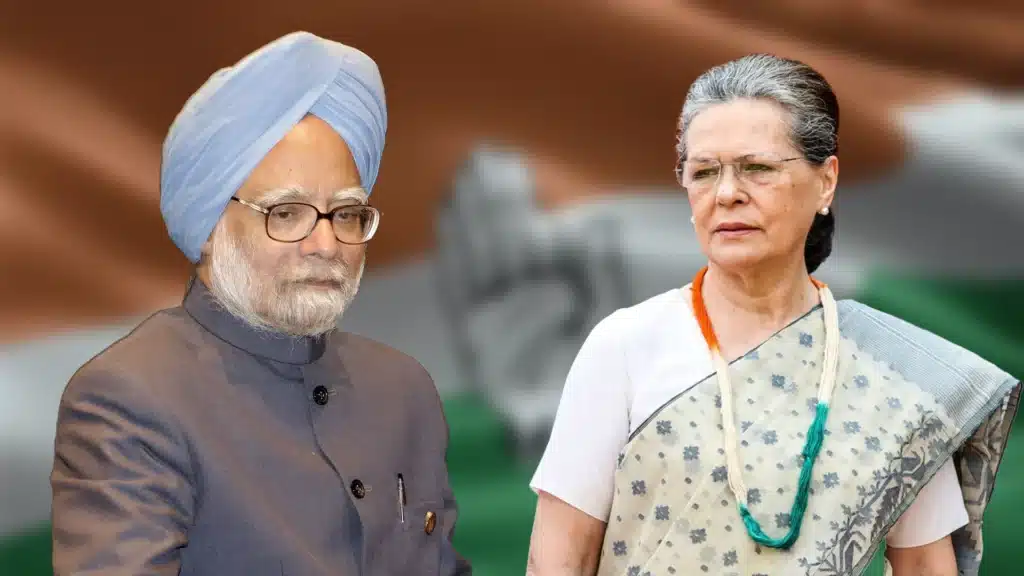
The Congress-led United Progressive Alliance (UPA) had won the 2004 Lok Sabha elections, placing Sonia Gandhi at the centre of government formation. However, she declined the prime ministerial position, citing her personal convictions and concerns surrounding the foreign-origin controversy. Gandhi writes that several senior Congress leaders were qualified to become Prime Minister. Yet Singh stood out because of his impeccable reputation and extensive experience in government. As finance minister under Prime Minister P.V. Narasimha Rao, Singh had played a key role in introducing India’s economic reforms. His appointment, Gandhi believed, would reassure allies about the UPA’s economic management and policy continuity. She also considered Singh politically independent within the Congress, without allegiance to any particular faction. This, she felt, would help secure wider acceptance, especially among Communist parties supporting the coalition. The memoir also highlights Singh’s personal journey, from a village school in present-day Pakistan to Oxford and Cambridge. Gandhi describes him as intellectually accomplished, compassionate and unwavering in his integrity. “I knew that our beloved country would be safe in his hands,” she writes. Gandhi consulted senior colleagues before proposing Singh’s name, and none opposed her recommendation. Singh was initially hesitant about accepting the responsibility, but private discussions eventually persuaded him. On May 18, 2004, Gandhi accompanied him to Rashtrapati Bhavan to stake the alliance’s claim. Interestingly, Singh had assumed Gandhi would become Prime Minister because they had never discussed his appointment. Her decision therefore came as a surprise to him. Through Belonging: A Journey of Love, Gandhi revisits a defining moment in India’s political history. Her account presents Singh’s selection as a decision rooted in trust, administrative experience and confidence in his leadership.