
Trump Declares US Army Locked and Loaded Against Iran
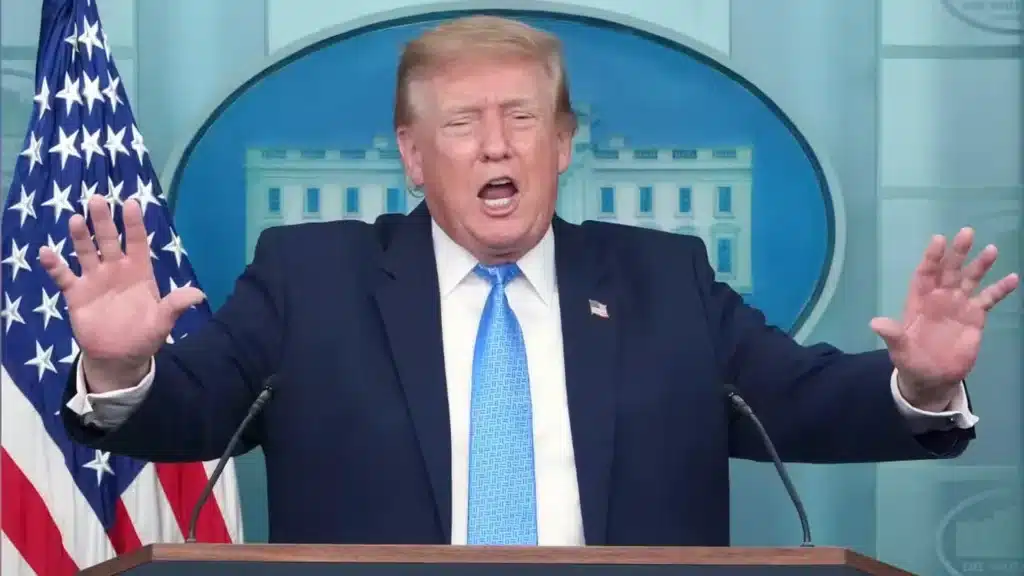
US President Donald Trump declared the war with Iran militarily over on Monday. He signalled a shift away from immediate large-scale attacks. However, he issued a stark warning that American forces remain locked and loaded. Trump spoke to reporters after meeting Qatari Prime Minister Sheikh Mohammed bin Abdulrahman bin Jassim Al Thani. He described the ongoing nuclear negotiations with Tehran as showing positive momentum. Trump noted that Iranian officials are talking to Washington very politely. He emphasized that current military action does not seem necessary. Yet, US forces stand ready if the situation changes dramatically. Despite the calm rhetoric, Washington maintains its massive naval blockade off the Iranian coast. Thousands of American troops remain deployed in regional waters. Trump warned that the US has identified 38 key infrastructure targets inside Iran. Military jets could strike those targets if talks break down completely. Tehran firmly rejected claims of smooth negotiations. Iranian security council chief Mohsen Rezaei demanded a full US surrender on social media. He urged Washington to accept Iran’s seven core conditions. These demands include lifting sanctions, unfreezing assets, and paying war compensation. Rezaei called rumors of imaginary nuclear talks fake news. Meanwhile, domestic political pressure mounts inside the United States. Republicans lost control of Congress during last week’s midterm elections. Public anger over fuel prices and military spending drove voters to the polls. Lawmakers now push to impeach US Defense Secretary Pete Hegseth over the conflict. They claim the administration launched military operations without proper congressional authorization. The State Department also raised travel warnings for six Middle Eastern countries. American officials urge citizens to avoid the region due to rising dangers.
Sonia Gandhi Reveals Cold Relationship with Modi
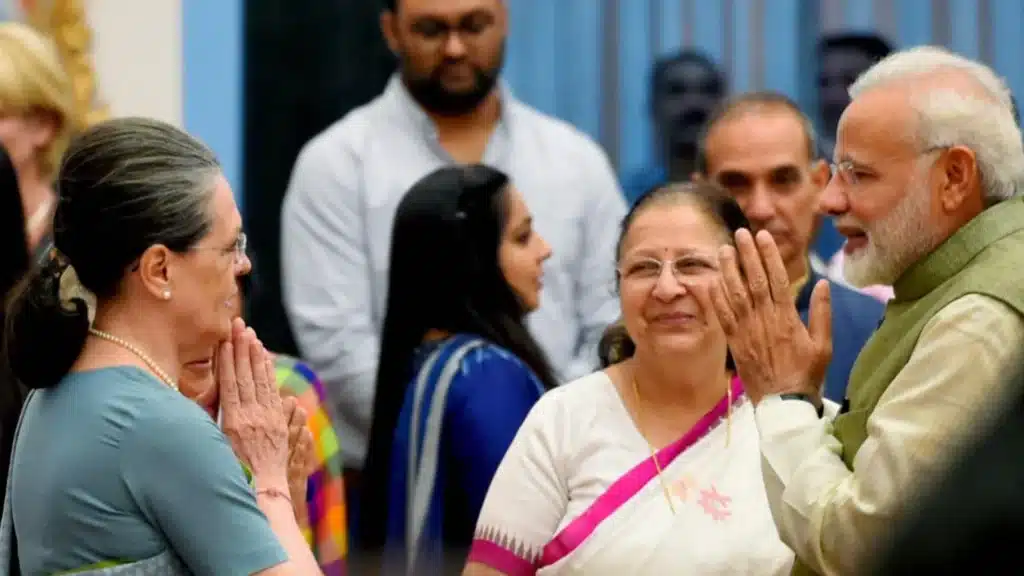
Congress leader Sonia Gandhi shared surprising personal details about Prime Minister Narendra Modi. She revealed that she maintains almost no personal contact with him. Gandhi highlighted the sharp contrast between their public roles and private interactions. She noted that the Prime Minister actively avoids eye contact during face-to-face encounters. Their brief meetings usually consist of simple exchanges of formal greetings. The senior politician detailed these observations in her newly released political memoirs. She described how official events offer very few opportunities for genuine communication. Political differences often create a deep personal barrier between government leaders and opposition figures. Gandhi expressed frustration over the lack of dialogue between top political leaders. She believes effective governance requires functional communication across parliamentary party lines. However, personal warmth remains completely absent from their official encounters. These revelations highlight the growing disconnect in modern Indian legislative politics. Political analysts point out that cold personal relations reflect broader systemic polarization. Key democratic discussions suffer when rival political leaders avoid direct personal connection. Gandhi hopes her honest account encourages healthier political exchanges in the future. She continues to lead discussions on opposition strategy within Parliament. Observers eagerly watch for any official reaction from the Prime Minister’s office.
“Diwali is human-made illness”: Congress MP Imran Masood
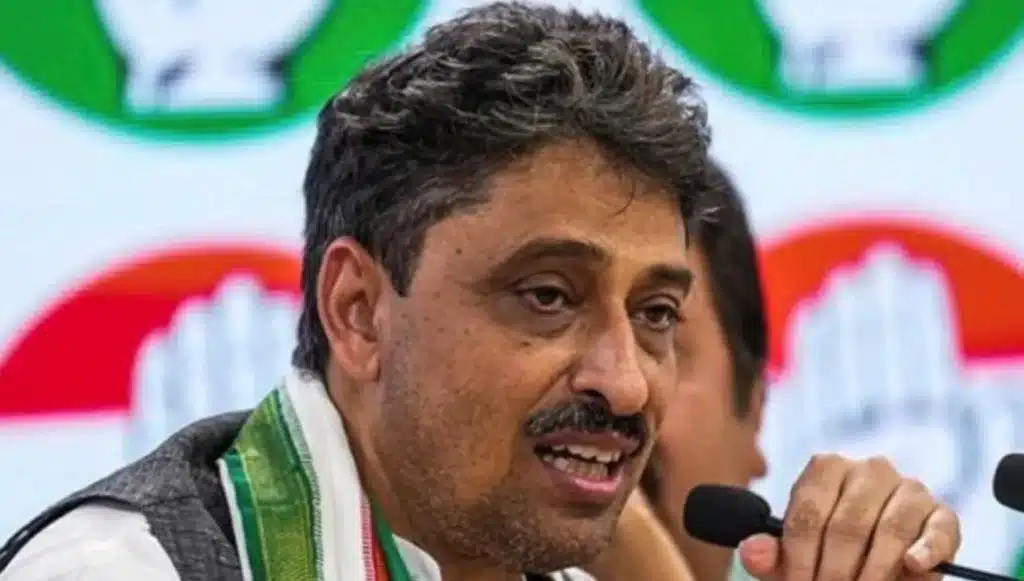
Saharanpur Congress MP Imran Masood sparked a major political controversy with his recent remarks linking Diwali to air pollution. Responding to BJP leader Kapil Mishra, Masood reportedly called both Diwali and pollution human-caused problems. He stated, “Diwali ho ya pollution, manav janit rog hai,” equating festival celebrations directly with man-made environmental hazards. Masood also challenged official air quality readings across North India. He cited extreme AQI figures, referencing numbers reaching 1,710 in Delhi and between 600 to 711 in Saharanpur. The lawmaker argued that government rhetoric cannot replace public awareness when tackling rising toxic air. He stressed that individuals must take responsibility for environmental degradation rather than blaming single factors. The controversial statement triggered intense political backlash. Opposition leaders strongly condemned the remarks, accusing the Congress leader of targeting traditional Hindu festival celebrations. Critics argue that blaming Diwali misrepresents the core causes of seasonal smog, such as stubble burning and industrial emissions. Meanwhile, environmental activists emphasize the need to balance cultural traditions with public health concerns. The episode has reignited nation-wide debates over firecracker bans, air quality monitoring accuracy, and political accountability regarding winter pollution.
UAE Minister Inaugurates Diwali Celebrations at Abu Dhabi Hindu Temple

ABU DHABI — UAE Minister of Tolerance Sheikh Nahyan bin Mubarak Al Nahyan visited the BAPS Hindu Mandir on Monday to mark Diwali. He inaugurated the Unity of Lights event and joined thousands of worshippers at the temple. More than 30,000 visitors attended the celebrations. The temple complex glowed with lights as devotees gathered for the festival. Officials and community members walked the illuminated pathways together. Children in traditional attire participated in the proceedings. Temple leaders guided the minister through the site and presented festive offerings during the Maha Annakut. Sheikh Nahyan emphasized the UAE’s commitment to tolerance, harmony and coexistence. He described the gathering as a reflection of the country’s values. Swamis and officials exchanged greetings near the main steps of the temple. The event formed part of Diwali observances running from November 6 to 10. The BAPS Hindu Mandir, a traditional stone temple in Abu Dhabi, has become a focal point for the large Indian community in the Emirates. Organizers reported strong turnout across the multi-day program. Visitors of different backgrounds shared the space without incident. Temple representatives expressed appreciation for the minister’s presence. They noted the occasion reinforced mutual respect between communities. The Unity of Lights display drew particular attention as evening crowds continued to arrive. UAE authorities have consistently supported cultural and religious events for expatriate groups. This Diwali observance fits that pattern. Officials and devotees marked the festival with shared rituals and open access to the grounds. The celebrations concluded with continued public visits and cultural activities through the festival period.
Vibrant Bama Kali Dance Draws Thousands in West Bengal’s Shantipur
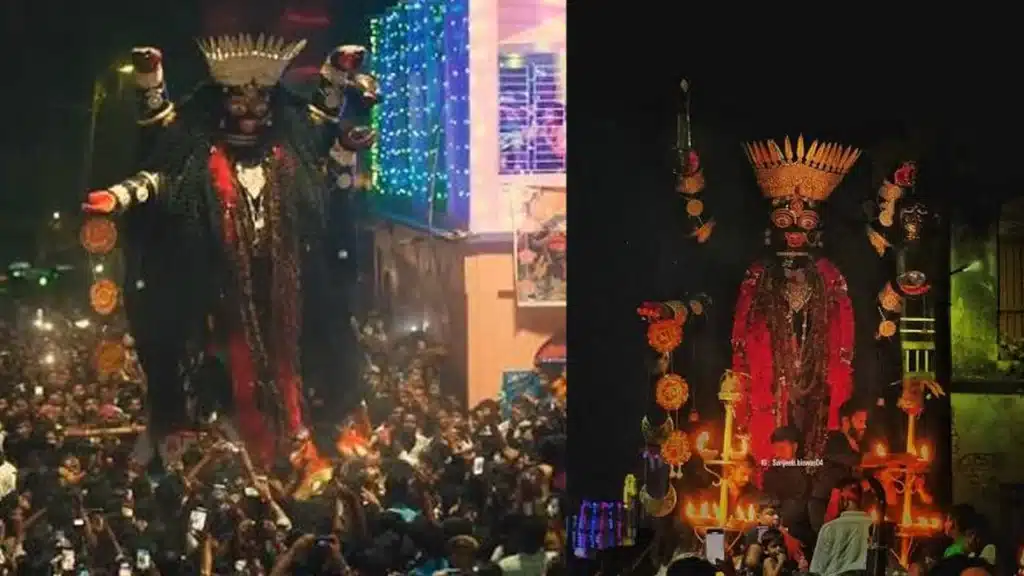
Vibrant Bama Kali Dance Draws Thousands in West Bengal’s Shantipur.