
Prince William Joins Tendulkar for Gully Cricket
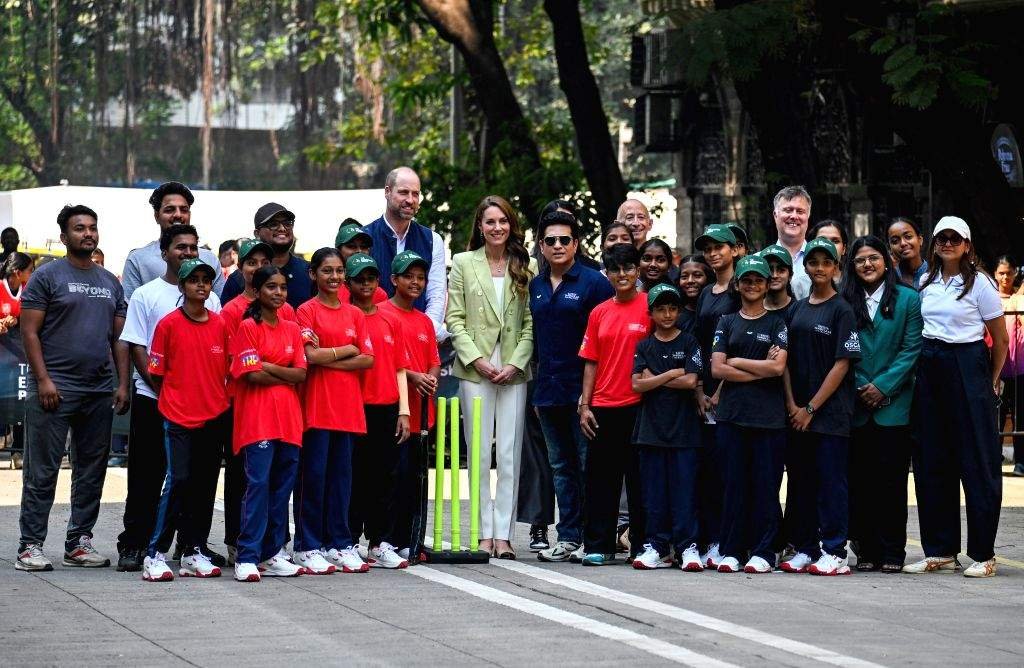
Prince William and Princess Catherine of Wales began their three-day visit to India with a game of gully cricket in Mumbai on Monday.
Yamuna Pollution Persists During Chhath Puja Celebrations

Thousands of devotees gathered along the Yamuna River today to offer prayers during Chhath Puja. However, the river’s persistent pollution crisis has once again exposed the gap between political promises and environmental reality. At Kalindi Kunj, one of the primary celebration sites, poisonous foam covered the water surface. The toxic froth prompted Delhi Jal Board workers to spray anti-surfactant solutions from boats to break it up. The persistent contamination highlights ongoing environmental challenges across Delhi’s sacred waterway during major religious festivals. For the four-day festival, the Delhi government prepared 1,482 Chhath ghats across 996 locations in the capital. The festival culminates today as devotees offer prayers to the rising sun along the riverbanks. These arrangements include 81 permanent ghats, 1,372 temporary ghats, and 29 sites directly along the Yamuna. Despite extensive civic preparations, the river continues to struggle with heavy pollution, untreated sewage, and floating waste. Several stretches of the waterway remain visibly degraded despite administrative efforts ahead of the celebrations. Official water quality data clearly reveals the severity of contamination across key monitoring points. Delhi Pollution Control Committee readings from September 2026 showed a sharp deterioration in water health. Specifically, biochemical oxygen demand at the ISBT Bridge rose from 8 to 30 mg/L in a year. Meanwhile, dissolved oxygen levels at Asgarpur dropped to nil during the same monitoring period. Across several locations, biochemical oxygen demand increased from 8 mg/L in September 2025 to 30 mg/L in September 2026. The ongoing pollution crisis has sparked intense political controversy between the ruling BJP and the opposition AAP. Both political parties traded blame over institutional responsibility for the river’s deteriorating environmental condition. In October, the Centre launched Yamuna-cleaning projects worth approximately Rs 8,941 crore to address the crisis. However, environmental activists argue that temporary cleaning exercises cannot permanently restore the polluted river. Long-term ecological recovery requires sustained structural interventions rather than seasonal cosmetic drives before major festivals. Meanwhile, major drainage networks continue pouring heavy pollutants directly into the sacred river system. The Najafgarh drain carries wastewater from parts of Haryana and Delhi before joining the Yamuna near Signature Bridge. This continuous inflow significantly increases the overall pollution load across the Delhi stretch. Untreated sewage and industrial effluents containing detergents and chemical pollutants primarily cause toxic foam formation. Environmental experts note that chemical spraying addresses only visible surface symptoms rather than the underlying causes of pollution.
Clash Outside London Restaurant Over Non-Halal Food Policy

Hundreds of angry demonstrators gathered outside an Indian restaurant in west London.The fierce protest ignited tensions over a controversial menu policy.Harman Singh Kapoor owns the establishment called Singh’s Dining.He displayed a handwritten sign on the exterior wall.The bold message stated that the business proudly does not sell halal food. That defiant stance sparked massive outrage across local communities.Crowds surged outside the venue to demand an immediate closure of the eatery.Protesters chanted slogans and called for a strict commercial boycott.The intense backlash severely damaged daily business operations. Kapoor reported receiving numerous alarming threats from radical groups.He expressed deep fear for the safety of his family.Local authorities arrested a fifty-four-year-old man during the demonstration.Police officers charged the suspect with distributing extreme digital images. Kapoor criticized the Metropolitan Police for lacking adequate security responses.He demanded better protection for small business owners facing intimidation.The restaurant owner insisted that peaceful work rights must prevail.Community leaders now urge calm while debates over food policies escalate.
China confirms first Xi-Trump-Putin summit on Nov 19
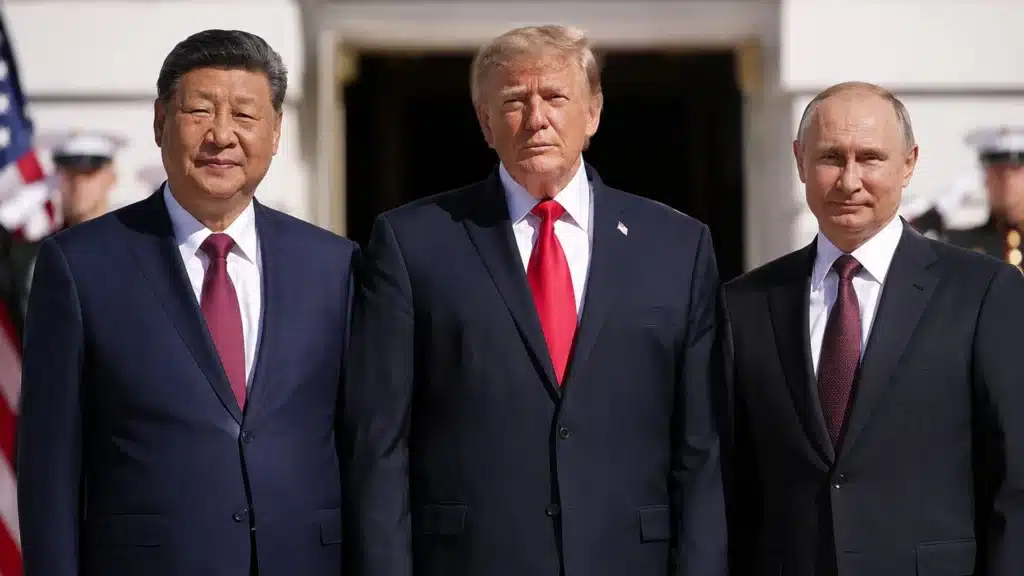
Beijing announced a historic trilateral summit. Chinese President Xi Jinping will host U.S. President Donald Trump and Russian President Vladimir Putin. The high-stakes meeting will take place in Shenzhen on November 19. Officials confirmed the diplomatic milestone on Monday. The gathering coincides with the Asia-Pacific Economic Cooperation meetings. This event marks the first meeting between leaders of these three nuclear powers. Global analysts anticipate intense discussions regarding international security. Leaders plan to tackle nuclear arms control issues directly. President Trump wants to explore a new agreement on nuclear stockpiles. The New START treaty expired earlier this year. Washington previously rejected Russia’s proposal to extend that treaty. Trump instead demands a modernized pact that includes China. Russia currently holds the largest nuclear arsenal worldwide. The United States and China follow closely behind. Stockholm international researchers verify these strategic rankings. Participants will also address regional conflicts during the talks. Trump plans to bring up the ongoing war in Ukraine. Leaders intend to discuss the volatile situation in Iran as well. Diplomatic insiders anticipate challenging negotiations ahead. Immediate breakthroughs remain unlikely due to deep geopolitical tensions. Beijing hopes the summit fosters open dialogue between major superpowers. Security teams already established strict protocols across Shenzhen. World leaders watch these developments closely. The upcoming dialogue shapes the future of global stability. Observers track every strategic move before Wednesday. International media outlets broadcast live updates continuously. Citizens expect major policy announcements after the conference ends. Governments invest significant resources into these diplomatic efforts. Delegations finalize their preliminary agendas right now. Officials urge calm amid rising global anxiety. Analysts evaluate potential geopolitical shifts carefully. Everyone awaits the historic outcome eagerly.
Carney: Canada May Turn to Chinese Carmakers
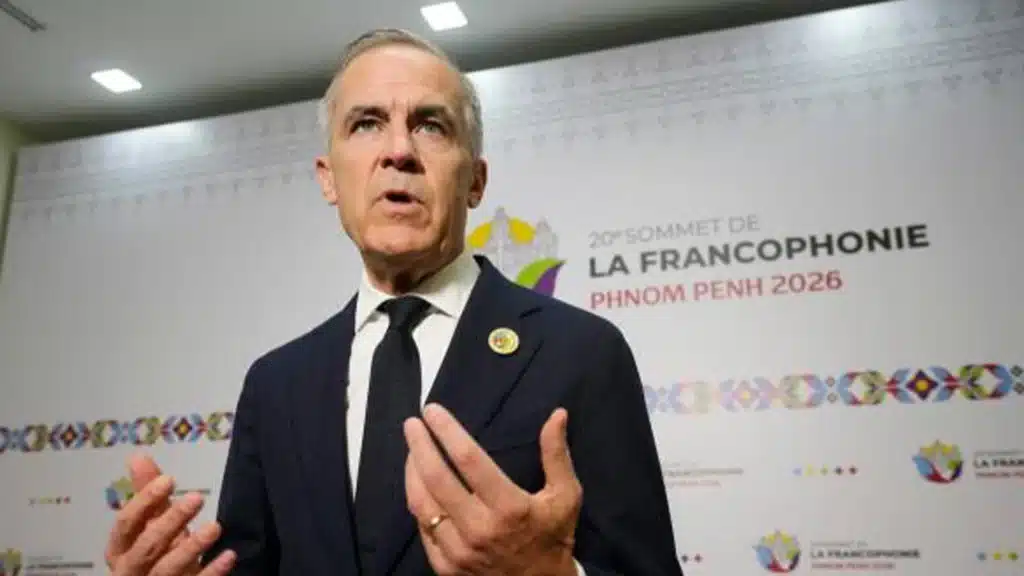
Canadian Prime Minister Mark Carney said on Monday that Canada could look to Chinese automakers if trade negotiations with US President Donald Trump fail to maintain an integrated North American auto industry. Speaking to reporters in Cambodia ahead of a planned meeting with Chinese President Xi Jinping in Shenzhen this week, Carney stated that the North American market “has become less integrated because of US trade actions.” He emphasised that Canada wants its auto workers “fully deployed” in an integrated market but is prepared to explore alternatives. “If they are not fully utilised in a North American context, that provides other opportunities,” Carney said. “Canada is going to move forward either way.” He listed European, Chinese and Japanese options among possible partners, depending on the outcome of talks with Washington. Carney rejected the idea that potential Chinese investment served as leverage in US negotiations, describing it instead as “action, reaction.” He stressed that any Chinese involvement would require substantial manufacturing in Canada, proper labour standards, domestic supply chains and the use of Canadian critical minerals, rather than simple assembly of imported kits. Canada-China Agreement Canada and China reached an agreement in January that allows a limited quota of Chinese electric vehicles into Canada at reduced tariffs of about 6.1 per cent, initially capped at 49,000 vehicles annually. The United States maintains a 100 per cent tariff on Chinese-made electric vehicles. Canada is seeking to scale back 25 per cent US tariffs on Canadian-made autos. Carney has previously said any trade deal with the US must leave Canada with a viable auto sector. The Detroit Three automakers operate plants across the three North American countries, with supply chains that cross borders multiple times.
India’s US Exports Rise 39% in October

India’s merchandise exports to the United States rose sharply in October 2026, increasing 39.3 per cent year-on-year to $8.72 billion from $6.26 billion in the same month of 2025, according to Commerce Ministry data. The figure formed part of India’s overall goods exports. It hit a record $49.47 billion in October, up 45 per cent from a year earlier. Petroleum products, electronics, engineering goods and gems and jewellery drove the broader rise. Shipments to the US benefited from a lower base after higher tariffs applied in the corresponding period of 2025. For the April–September period of financial year 2026-27, India’s exports to the United States increased 11 per cent to $50.80–50.81 billion from $45.73 billion a year earlier. The United States remained India’s largest merchandise export destination during the half-year. Cumulative goods and services exports to the US reached $59.52 billion in the April–October period. It went up from $51.99 billion previously. US tariffs on Indian goods had reached as high as 50 per cent in 2025, combining reciprocal and other levies. Rates were later reduced through negotiations, court rulings and interim arrangements, standing lower in 2026 than at their peak. Officials noted ongoing talks on a bilateral trade agreement, with discussions described as progressing. India’s overall merchandise trade deficit widened to $39.88 billion in October amid higher imports of oil and gold. Total goods and services exports for April–October rose 16.6 per cent to $568.84 billion. Growth was reported as broad-based across multiple destinations and product categories. The October US-bound figure was $8.72 billion and there was a first-half rise of around 11 per cent. It reflects the latest official trade statistics released in mid-November 2026.
“Does Bengal belong to rogue Biharis?”: Kalyan Banerjee
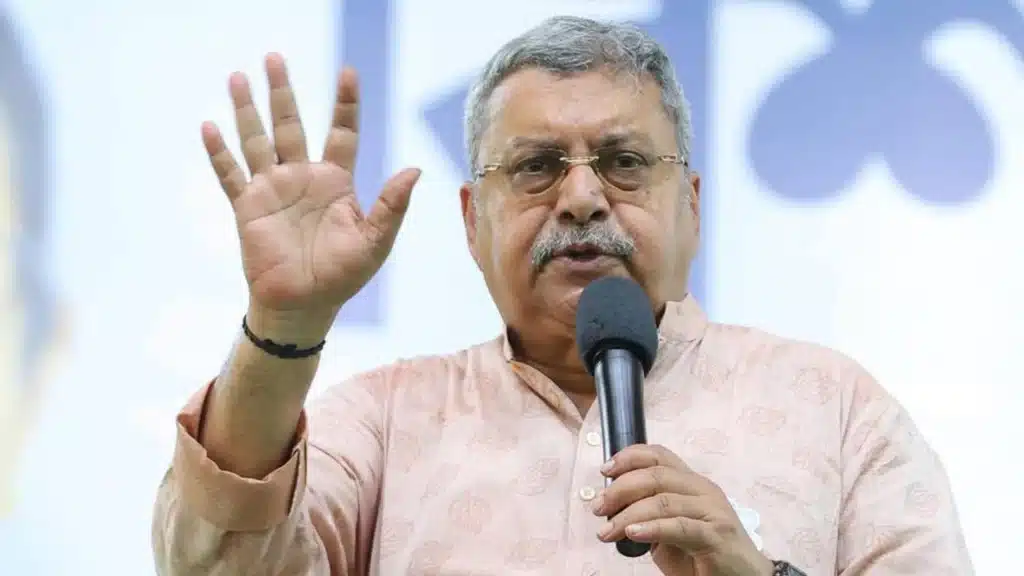
A fierce political storm erupted in West Bengal. Trinamool Congress MP Kalyan Banerjee criticized Chhath Puja arrangements. He questioned festival decorations at Howrah railway station. The senior leader asked a controversial question. He wondered if the state belonged to locals or outsiders. He claimed that non-Bengalis took over the region. Mr. Banerjee alleged that local culture faces severe threats. He warned that native residents became second-category citizens. His sharp comments immediately triggered massive nationwide backlash. Political opponents slammed his remarks heavily. State leaders accused the ruling party of promoting divisive politics. Critics argued that all citizens deserve equal festive celebration rights. The ruling camp distanced itself from the controversy. Ministers emphasized national unity and cultural diversity across India. Tensions continue to rise over festival politics in West Bengal.
PM Modi Strengthens Regional Ties During Key Visit to Manila
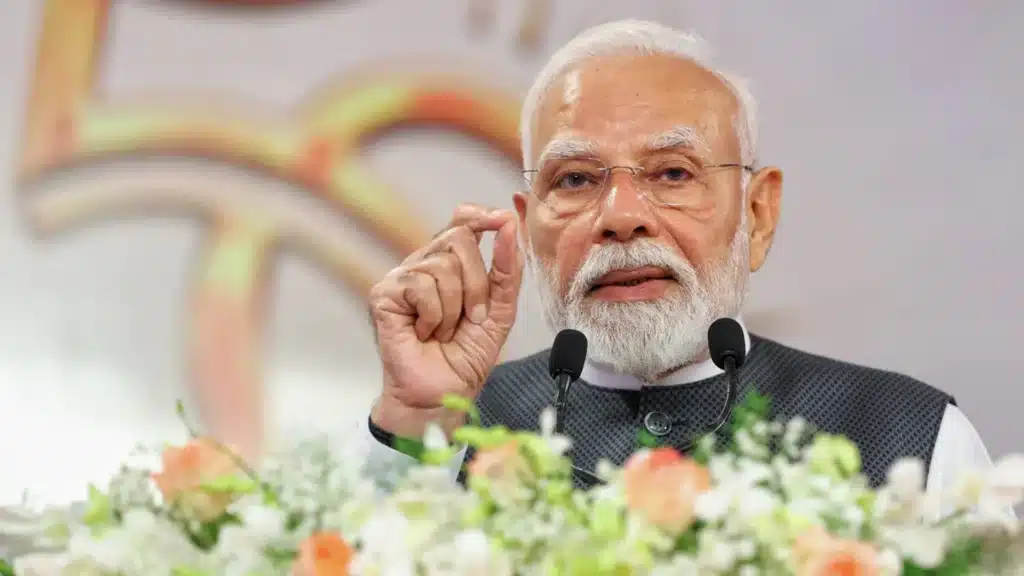
Prime Minister Narendra Modi launches a significant two-day diplomatic mission in the Philippines today. His busy itinerary centers on the 23rd ASEAN-India Summit and the 21st East Asia Summit in Manila. As the 2026 ASEAN Chair, the Philippines welcomes regional leaders to discuss pressing economic and geopolitical matters. Modi underscores that strong ASEAN partnerships anchor India’s broader Act East Policy and regional vision. Furthermore, both sides actively celebrate 2026 as the landmark ASEAN-India Year of Maritime Cooperation. Regional leaders will thoroughly assess ongoing milestones under their Comprehensive Strategic Partnership and joint Plan of Action. Key dialogues will drive progress across trade expansion, digital transformation, maritime security, and regional connectivity. Meanwhile, the East Asia Summit provides an essential platform to tackle urgent global security threats together. Beyond the main summits, Modi will conduct focused bilateral meetings with several international counterparts. He also plans to engage warmly with the vibrant Indian diaspora residing in Manila. Ultimately, this high-stakes tour aims to cement enduring strategic and economic bonds across the entire Indo-Pacific region.