
ICC Reappoints Jay Shah For Second Term
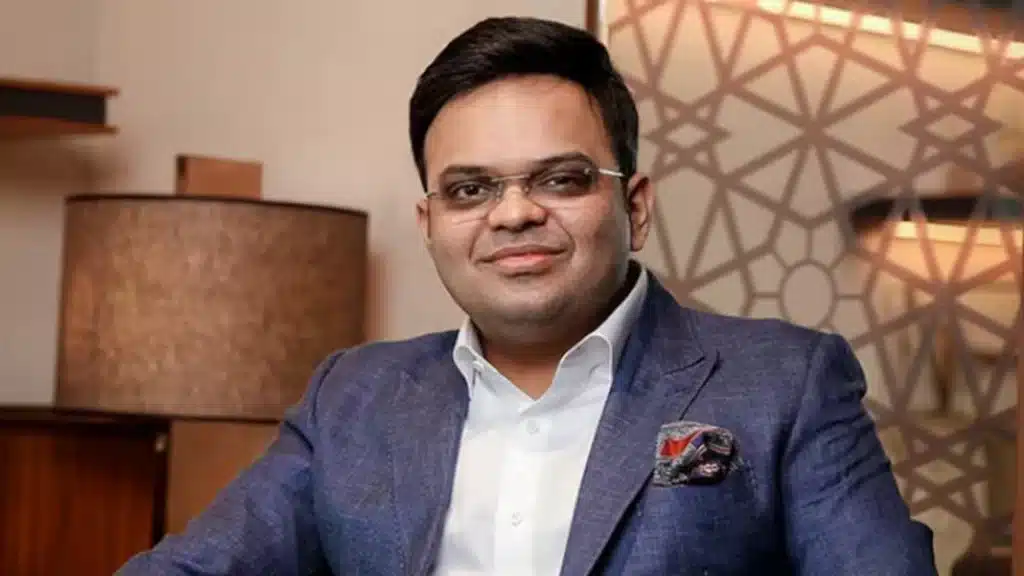
The International Cricket Council (ICC) Board confirmed Jay Shah’s unopposed reappointment as Chair for a second term on Monday. ICC directors proposed the decision during the global governing body’s recent Board meetings in Bali. Shah will now lead international cricket through a critical two-year period. This decision highlights the Board’s strong confidence in Shah’s leadership. His continued tenure ensures administrative stability as cricket prepares for major global milestones. Notably, Shah will oversee cricket’s historic return to the Olympic Games at Los Angeles in 2028. The Board also reaffirmed its commitment to strengthening cricket’s global foundations. Key priorities include growing the women’s game, expanding opportunities for Associate Members, and protecting the sport’s integrity. Furthermore, the council aims to build sustainable commercial pathways for long-term success. Shah expressed deep gratitude to every ICC director for their continued trust and support. He called serving as ICC Chair both a great privilege and a major responsibility. Shah noted that the sport is entering one of the most exciting periods in its history. “Cricket’s return to the Olympic Games at LA28 presents an extraordinary opportunity to introduce our game to new audiences,” Shah said. He added that the council must build a sustainable future for fans, athletes, and commercial partners. Several prominent cricket leaders welcomed the announcement. England and Wales Cricket Board Chair Richard Thompson emphasized protecting bilateral cricket while embracing innovation. Meanwhile, ICC Deputy Chair Tavengwa Mukuhlani highlighted upcoming opportunities surrounding the 2027 Men’s Cricket World Cup in Africa. Independent Director Dr. Ros Rivaz also praised Shah’s ongoing efforts to advance women’s cricket worldwide.
Adv Ajoy Hazarika Re-elected to Consumer Coordination Council
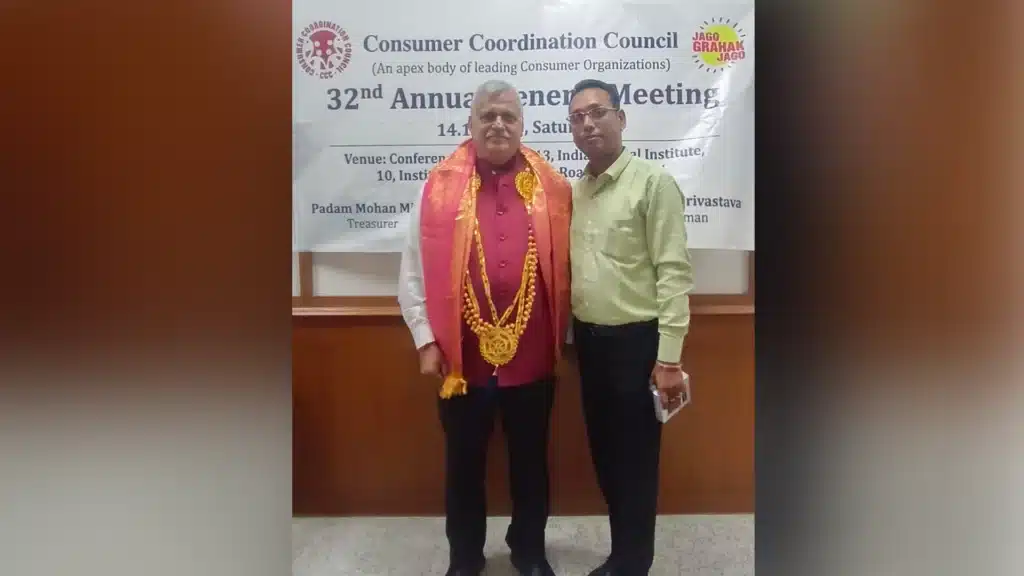
Advocate Ajoy Hazarika recently achieved a major milestone for Assam’s consumer rights movement. Delegates re-elected the prominent activist to the Governing Council of the Consumer Coordination Council (CCC) in New Delhi. This victory marks his fourth consecutive term on the prestigious national panel. Hazarika currently serves as the Secretary of the Consumers’ Legal Protection Forum, Assam. The CCC operates as an apex national network for leading consumer organisations across India. The Council conducted this crucial election on Saturday evening, November 14, during its Annual General Meeting (AGM). Representatives gathered at the Conference Hall of the Indian Social Institute in New Delhi for the event. Sixty-one member organisations from across the nation participated in the democratic voting process. These voters selected nine representatives to lead the Governing Council for the upcoming term. Alongside the elections, the two-day AGM hosted a national seminar on consumer rights. Organisers arranged this educational seminar in partnership with the Bureau of Indian Standards and the Legal Metrology Department. During the session, members also elected Ram Avtar Yadav as the new Vice-Chairman of the Council. Yadav leads Grahak Sahayak in Gurgaon as its President. Meanwhile, Hazarika practises law at the Gauhati High Court and champions public welfare. He has dedicated over two decades to legal literacy and consumer advocacy. Through sustained grassroots campaigns, he defends consumer interests at both state and national levels. His fourth consecutive triumph brings immense pride to the citizens of Assam. Ultimately, this success amplifies Assam’s voice within India’s broader consumer protection movement.
“India Is No Longer a Democracy”: Rahul Gandhi at Bharat Summit
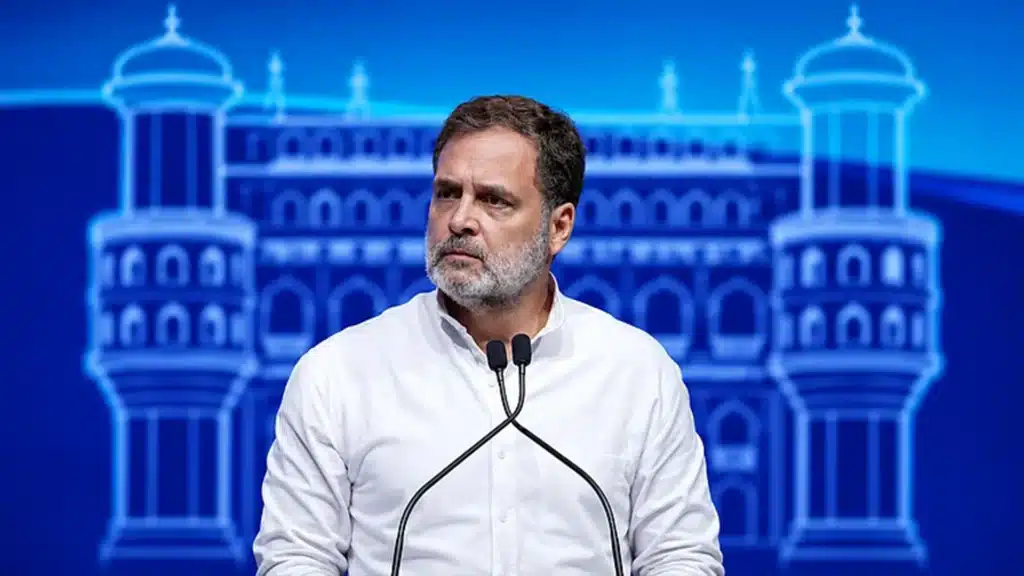
Lok Sabha Leader of Opposition Rahul Gandhi alleged on Saturday that India is no longer a democracy under the Narendra Modi government. Addressing the two-day Bharat Summit organised by the Congress Telangana government in Hyderabad, Gandhi accused the Modi government of undermining electoral institutions. He further claimed that the ruling dispensation manipulates the political system and uses financial power to weaken the Opposition. Despite these challenges, Gandhi expressed confidence that the Opposition would defeat Modi and remove the BJP from power. Gandhi claimed that the Election Commission’s Special Intensive Revision of electoral rolls rendered 140 million voters non-existent or ineligible. He questioned how an electoral exercise could remain fair when officials declare such a large number of voters invalid. Furthermore, he alleged that authorities subsequently removed voters who had participated in the 2024 Lok Sabha elections from the rolls. According to Gandhi, India’s democratic institutions began weakening after the BJP came to power in 2014. He stated that the Congress took nearly a decade to understand these systemic changes and claimed that democracy ended in 2014. During the summit, Gandhi also apologised to foreign delegates who could not attend the Hyderabad event. He alleged that the Union government prevented these international invitees from participating. Reports indicated that authorities denied visas or revoked clearances for over 100 foreign invitees, including Norwegian journalist Helle Lyng. Congress MP Shashi Tharoor stated that officials denied entry or cancelled visas for 115 of 315 cleared speakers. Responding to this controversy, Ministry of External Affairs spokesperson Randhir Jaiswal stated that visa decisions represent sovereign functions of every government. However, Gandhi has faced intense backlash over the presence of foreign delegates at the Summit. During the event, Party of European Socialists Secretary General Giacomo Filibeck claimed that Indian democracy needs saving. Filibeck directly echoed Rahul Gandhi’s partisan campaign slogan, chanting “vote chor, gaddi chhod” from the summit stage. He also translated the slogan into English, demanding that India’s elected leadership leave office immediately. Video clips showed Rahul Gandhi smiling and applauding enthusiastically as the Italian politician attacked India’s electoral system. Critics argue that Gandhi deliberately invited foreign figures to amplify domestic political falsehoods on Indian soil.