
Look Out Circular Issued Against CJP’s Saurav Das
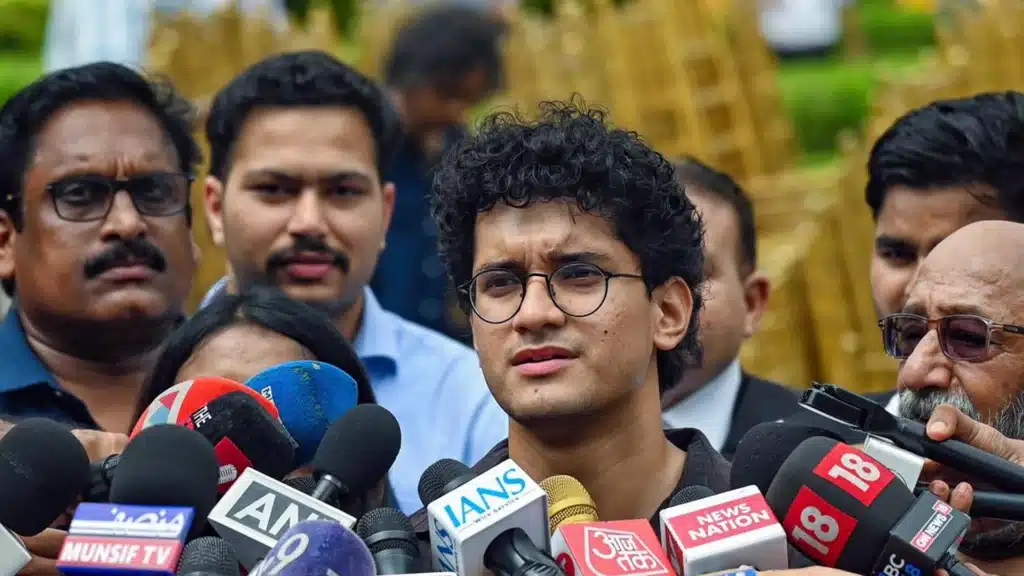
The Centre on Thursday informed the Delhi High Court that authorities had issued a Look Out Circular (LOC) against activist Saurav Das. The disclosure came during a hearing on Das’s petition challenging restrictions on his overseas travel. The government also flagged alleged discrepancies in his passport details. It told the court that these discrepancies could potentially affect his Indian citizenship. According to the Centre, Maharashtra Police requested the circular on November 22-23. Additional Solicitor General Chetan Sharma presented the government’s position before Justice Amit Mahajan. He also informed the court that authorities issued a show-cause notice to Das on November 23. The notice asked him to explain the alleged discrepancies and avoid travelling abroad during the inquiry. The government said Das had not responded to the notice. Das’s lawyer, senior advocate Akhil Sibal, disputed the government’s position during the hearing. He told the court that his client had received no information about the LOC. Sibal also sought a copy of the circular to understand its grounds and challenge the decision. However, the Centre’s counsel said authorities could not provide him with a copy. The legal team argued that a pending show-cause notice could not restrict someone’s fundamental right to travel abroad. The government also explained the ongoing inquiry into Das’s passport details. Authorities initiated the inquiry in Puducherry on August 20 to verify his birthplace, address and parentage. The investigation reportedly raised questions because Das left his father’s name column blank. The Centre argued that these alleged discrepancies could have implications for determining his Indian citizenship. However, the government clarified that no order had suspended or invalidated his passport. Das had approached the Delhi High Court after immigration officials stopped him at Delhi airport on November 23. He was preparing to board a London-bound flight for an event at Oxford University. He was scheduled to speak about the ‘Cockroach Movement’ associated with the satirical political group. The court issued notice to the Centre and sought its response. It has scheduled the next hearing for December 9.
India Approves Six Brownfield Urea Plants Across Five States
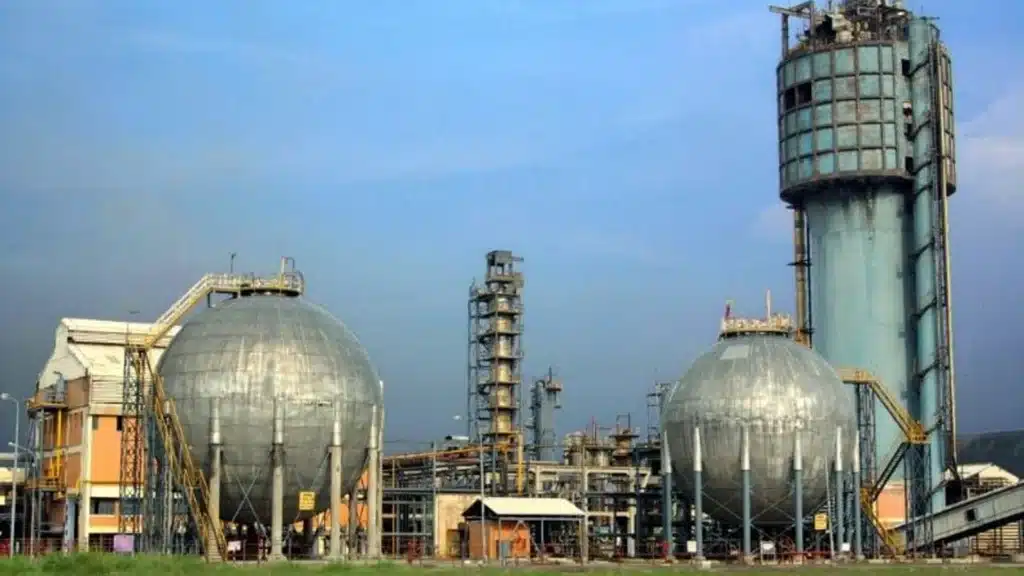
The government approved six brownfield urea plants under the National Investment Policy for Urea (NIPU)-2026. This major decision marks a significant push toward self-reliance in domestic fertiliser production across India. Specifically, the new initiative involves an estimated total investment of approximately ₹54,000 crore. Through this substantial financial commitment, the government aims to strengthen agricultural resilience nationwide. Simultaneously, policymakers intend to sharply reduce India’s reliance on expensive foreign fertiliser imports. Across five states, the approved projects span the public, private, and cooperative industrial sectors. Specifically, the plan replaces the ageing Madras Fertilisers Ltd plant in Chennai, Tamil Nadu. Similarly, authorities approved replacing the existing National Fertilisers Ltd unit at Nangal in Punjab. Additionally, the government cleared brownfield projects at KFL-Shahjahanpur and IIPL-Jagdishpur in Uttar Pradesh. Rounding out the list, developers will execute projects at Matix-Panagarh in West Bengal and CFCL Gadepan in Rajasthan. Each of these six modernised plants will feature an annual installed production capacity of 12.7 lakh metric tonnes. By adopting a brownfield approach, project developers can leverage existing infrastructure, land, and skilled manpower. Consequently, utilizing existing site resources helps teams accelerate project execution while significantly reducing overall construction costs. Collectively, these six new facilities will add 76.2 lakh metric tonnes of annual domestic production capacity. Furthermore, this government initiative particularly focuses on modernising India’s legacy fertiliser manufacturing units. Currently, some of these older domestic plants have operated for over 60 years. Because of their age, these legacy facilities face serious challenges related to high production costs. Moreover, older equipment causes elevated energy consumption alongside pressing operational safety concerns for workers. Upgrading these ageing sites ensures safer, cleaner, and far more cost-effective domestic urea production. At present, India’s annual urea demand stands at approximately 400 lakh metric tonnes across agricultural regions. Meanwhile, domestic urea production reached 293.30 lakh metric tonnes during the 2025-26 period. To bridge this supply gap, the country currently imports between 20% and 25% of its urea requirements. Primarily, India sources these foreign shipments from Middle Eastern nations, including Oman, Saudi Arabia, and the United Arab Emirates. Ultimately, these six brownfield plants will substantially boost domestic output and fortify India’s agricultural supply chain.
Why Reproductive Healthcare Access Matters in Northeast India
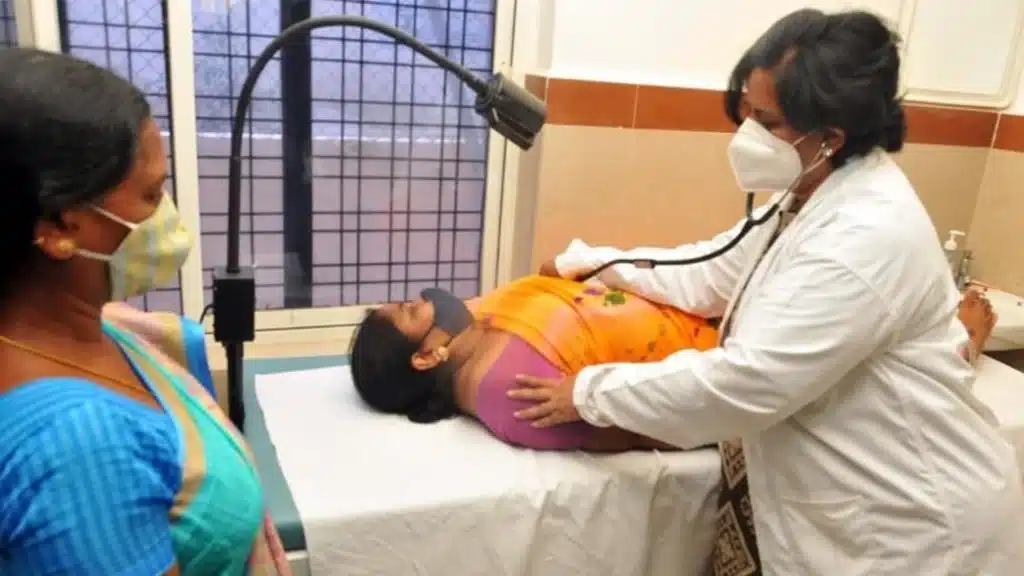
Good news about women’s health in the Northeast rarely makes headlines, so it is worth starting with some. Two decades ago, Assam suffered one of India’s highest maternal mortality ratios: 480 deaths per 100,000 live births. The latest Sample Registration System bulletin puts it at 84, below the national figure of 87 for the first time. As recently as the 2020-22 bulletin, the state’s figure was 125. That fall was not luck. Higher hospital births, expanded ambulances, trained staff, and thousands of ASHA workers visiting homes drove this improvement. This is what happens when reproductive healthcare actually reaches women. It also shows what is still missing. The Northeast is eight states with very different terrain, languages and health systems, and progress has been uneven. A woman’s chances of a safe pregnancy, a planned family and an early cancer diagnosis still depend heavily on where she lives. What the newest numbers say The provisional fact sheets of the sixth National Family Health Survey (NFHS-6, 2023-24), released in May 2026, give the most recent picture. The survey covers every northeastern state except Manipur. Across India, 90.6 percent of births now take place in a health facility. Sikkim (97.7 percent) and Mizoram (91.2 percent) are above that mark. Tripura (89.1 percent), Arunachal Pradesh (88.7 percent) and Assam (87.6 percent) are close behind, and Arunachal has climbed nearly ten points since the previous survey. Two states remain far behind. In Meghalaya, 65.6 percent of births are institutional. In Nagaland the figure is 62.2 percent, a real improvement on 45.7 percent in NFHS-5, yet it still means that more than one in three babies is born outside a facility. The quiet gap: care before and after birth Where a woman delivers is only one part of the story. What happens in the months before, and the days after, matters just as much. Here the region does poorly. Nationally, 65.2 percent of mothers had at least four antenatal check-ups. In Assam the figure is 51.4 percent, barely changed from 50.7 percent in the last survey. Meghalaya stands at 53.2 percent, Arunachal Pradesh at 46 percent and Nagaland at 32.5 percent. In Tripura the share has slipped, from 55.2 to 49.6 percent. Antenatal visits are when high blood pressure, anaemia, diabetes in pregnancy and a baby lying in a difficult position are picked up. A woman who has been seen only once or twice often arrives in labour with problems nobody had the chance to treat. Postnatal care shows the same pattern. Across India, 82.8 percent of mothers were checked by a health worker within two days of delivery. In Assam it is 67.4 percent, in Arunachal Pradesh 61.5 percent, in Nagaland 59.1 percent and in Meghalaya 51.9 percent. The first days after birth are when heavy bleeding and infection are most dangerous, and when breastfeeding problems and low mood first appear. Anaemia, the condition that sits behind many emergencies Anaemia makes pregnancy riskier at every stage. A woman with low haemoglobin tires easily, copes badly with blood loss at delivery and is more likely to have a small or early baby. NFHS-5 found that 65.9 percent of women in Assam were anaemic, up from 46 percent five years earlier, against a national figure of 57 percent. Among pregnant women in the state, 54.2 percent were anaemic. In obstetric practice in Assam, one often sees women in the last weeks of pregnancy whose anaemia could have been corrected months earlier had it been found. It is encouraging that the share of Assam’s mothers who took iron and folic acid supplements for at least 100 days has risen from 47.5 to 65.4 percent in the new survey. In Nagaland, it is still only 24.8 percent. Family planning is healthcare too Being able to decide whether and when to have a child protects a woman’s health. Pregnancies that come too early in life or too close together carry more risk for mother and baby. Assam has moved forward. Use of modern contraceptive methods among married women rose from 45.3 to 53.4 percent, and unmet need for family planning fell from 11 to 7.4 percent. Unmet need means women who want to delay or stop childbearing but are not using any method. Meghalaya tells a different story. Only 30.2 percent of married women use a modern method, and unmet need is 21 percent, more than double the national 8.5 percent. That is a large number of women who want something the health system has not yet delivered to them. Adolescent girls need information early In Tripura, 18 percent of girls aged 15 to 19 were already mothers or pregnant at the time of the survey, against 6.7 percent nationally, and 34 percent of young women had married before 18. Assam has improved on both counts, but one in four women aged 20 to 24 there was still married before 18. Menstrual health is uneven too. Almost all young women in Mizoram and Sikkim use hygienic methods of menstrual protection. In Assam it is 75.1 percent and in Meghalaya 68.7 percent, both below the national 79.2 percent. Girls who understand their own bodies, who can manage periods without shame and who know where to go with a question, are far better placed to stay in school and to seek care later in life. A cancer we can prevent Cervical cancer deserves particular attention in this region. In the national cancer registry’s 2012-16 report, the highest incidence rates in the country were recorded in Papumpare district of Arunachal Pradesh and Aizawl district of Mizoram. An ICMR profile of the Northeast found that cervical cancer was the second most common cancer among the region’s women, and that fewer than one-third of cases were still localised when diagnosed. Late diagnosis follows from very low screening. NFHS-5 found that well under one percent of women in Assam had ever been screened for cervical cancer. And when cancer is found, treatment is often far away. The same ICMR profile reported that 95.3 percent of cancer
Akshay Kumar Recalls Seizing Tape Recorder Over ₹68,000 Dues
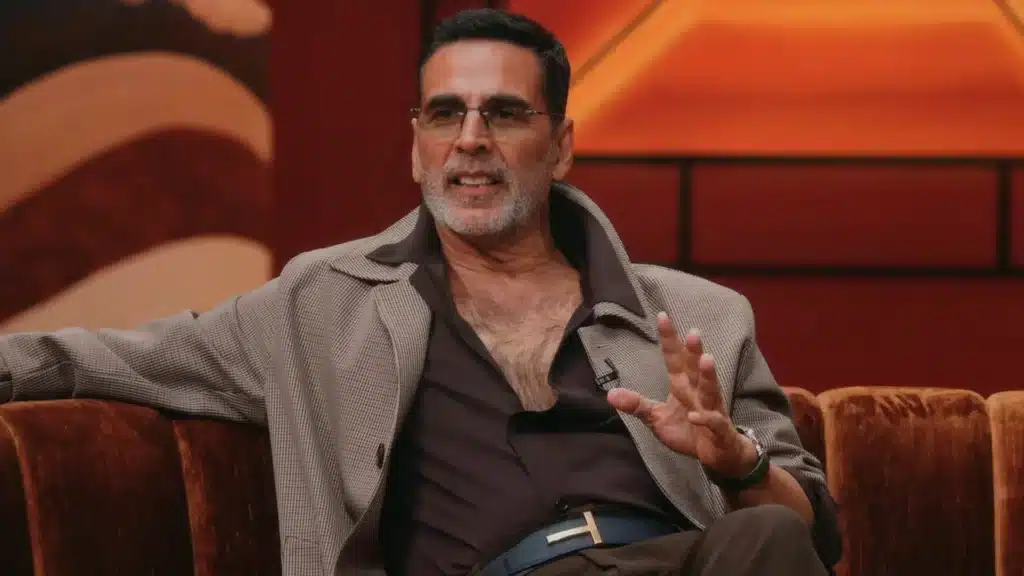
Akshay Kumar shared a bold story from his early career on Koffee with Karan 9. He appeared beside actor Ravi Kishan and host Karan Johar. Both actors spoke openly about tough early days in films. A producer owed Akshay Kumar nearly ₹68,000 after a movie failed. That sum mattered greatly to Akshay back then. Repeated requests brought no payment. Akshay finally visited the producer’s home in Mahim, Mumbai. Akshay rang the doorbell and waited. A short man opened the door. Akshay looked down while the producer looked up. The man quickly realized why Akshay arrived. Frustrated by the unpaid dues, Akshay spotted a tape recorder inside the hall. He unplugged the device and carried it away. He checked the room for other valuable items but saw none. The producer never stopped him from leaving. Akshay later sold the tape recorder at Heera Panna for ₹32,000. That sale covered only part of his pending fee. Akshay noted that the producer never paid the remaining balance. Ravi Kishan also recounted early financial struggles during the conversation. He recalled receiving just ₹8,000 initially against a ₹1.8 lakh promise. Both stars reflected on how far their careers have come since those days. Akshay now looks toward several upcoming film projects. Golmaal 5 arrives in January 2027. Mauja Hi Mauja follows in February 2027. Samuk opens in theaters on May 28, 2027.
Assam CM Lays Foundation for Defence Plant at Rangia
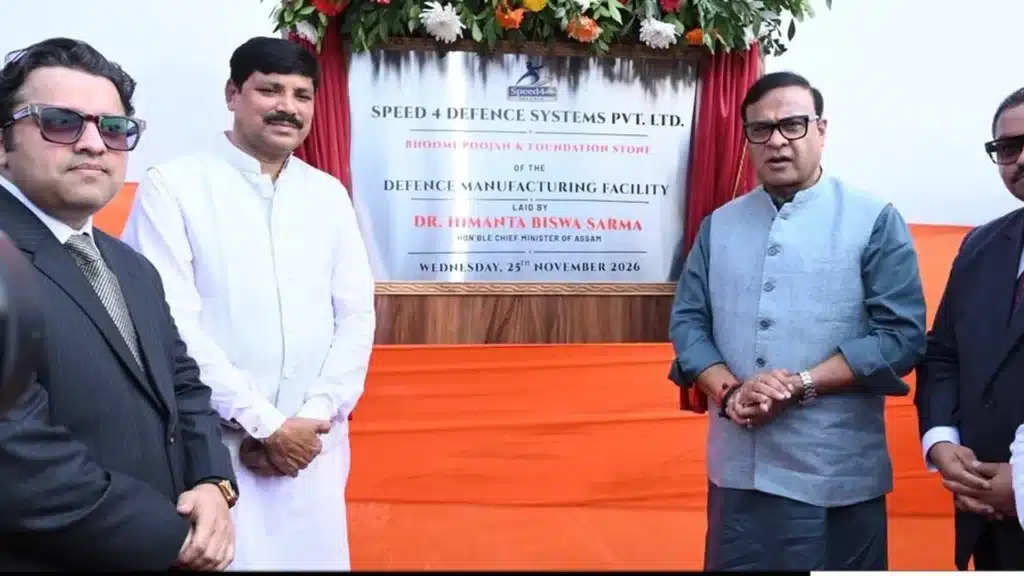
Assam CM Himanta Biswa Sarma performed Bhumi Pujan and laid the foundation stone at Tulsibari in Rangia on Wednesday. Speed4 Defence Systems Private Limited will build this defence equipment manufacturing unit inside the AIDC Industrial Estate. The Mumbai-based firm will invest nearly Rs 50 crore across about 14 acres of land. Operations aim to start by January 2028. At full capacity, the plant will produce roughly 5,000 prefabricated rapidly deployable structures every year. Annual output will also include 300 underground bunkers, 100 counter-drone systems, and 1,500 drones. The project promises around 150 direct jobs in its opening phase. Hiring could reach nearly 500 workers once the facility hits full capacity. Speed4 Defence Systems plans to source 25 to 30 percent of its supply chain locally. Local MSMEs, machinery makers, contractors, and service firms stand to gain new orders. Speed4 Defence Systems also plans to partner with IIT Guwahati on research and innovation. Students, researchers, and faculty members will tackle real defence engineering challenges through this tie-up. Sarma called the ceremony a fresh chapter in Assam’s industrial journey. He noted that the state now targets defence manufacturing after attracting semiconductor investments. Sarma stated that India’s armed forces buy roughly Rs 2 lakh crore of equipment annually. He added that India exports substantial defence products while building domestic capacity. No defence manufacturing unit previously operated in Assam or the wider Northeast. Sarma highlighted plans for a large defence park on 6,000 bighas at Jagiroad. The state also intends to amend its 2025 aerospace and defence policy. Sarma noted that Rangia has attracted Rs 3,400 crore in total investments. He also announced a water tank factory for Tulsibari.
Droupadi Murmu Honors 26/11 Victims and Salutes Security Forces
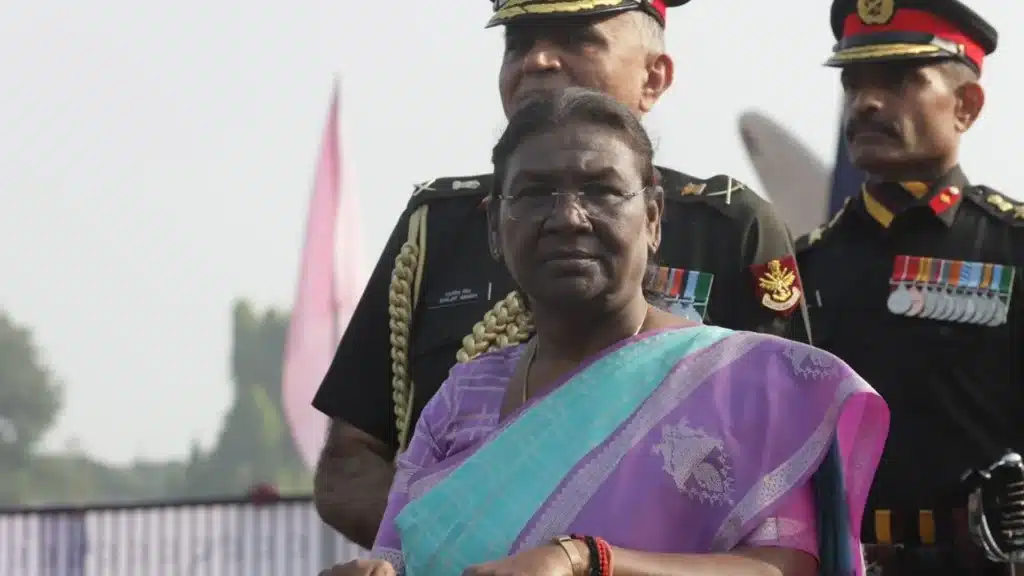
Droupadi Murmu honored the innocent victims of the November 26, 2008 Mumbai terror attacks on Thursday. She also saluted the courage and sacrifice of security personnel who battled the attackers. Murmu shared her message in a post on X. She bowed her head in remembrance of the victims. She praised brave soldiers, police officers, and others who stood fearlessly against terror. She declared that their sacrifice and selfless service stay etched in India’s soul forever. Murmu noted that terror shatters lives, yet it cannot break a united nation’s spirit. She stood beside survivors and their families on the solemn anniversary. Finally, she reaffirmed India’s resolve to wipe out terrorism in every form. She called for building a more peaceful and humane world.
Car Catches Fire After Fuel Tanker Crash on Cairo Ring Road

A fuel tanker crash triggered a massive blaze on Egypt’s Ring Road on Wednesday, killing at least 31 people. The inferno also injured 21 others in the Waraq district of Giza, near Cairo. Thick smoke rose high into the sky as flames consumed surrounding vehicles. Firefighters battled the roaring blaze while rescue teams pulled victims from blackened wreckage. Hundreds of residents gathered near the scene in Waraq, a densely populated Cairo suburb. The fire charred more than two dozen cars and motorcycles after spreading from the initial impact. Traffic backed up rapidly after authorities blocked the busy highway. Witness Ahmed Sameer watched the fuel tanker and nearby cars burn fiercely. He saw rescuers carry at least eight bodies from the twisted metal. Sameer noted that intense heat fused cars together during the shocking disaster. Egyptian President Abdel-Fattah el-Sissi offered condolences to the grieving families. Health Minister Khaled Abdel Ghaffar sent ambulances to rush injured victims to nearby hospitals. He planned to visit the crash site and warned that the death toll could rise. The Public Prosecutor’s office launched an investigation and ordered DNA tests to identify victims. The Ring Road serves as a vital transit artery across Greater Cairo. This major highway links Cairo, Giza, and Qalyubia governorates every day. Authorities worked for hours to clear debris and restore normal highway traffic. Emergency crews continued cooling hot metal along the scorched stretch of road. Families waited anxiously for updates from hospitals and forensic teams across the city. Officials urged drivers to exercise extreme caution along heavy commercial freight corridors. Investigators examined the tanker wreckage to determine what caused the initial collision. Many commuters expressed grief over the heavy loss of life on the route.
Centre Asks Netflix To Block Pakistani Content In India

The Centre has reportedly asked Netflix to ensure Pakistani content does not stream in India. The development comes amid growing controversy over the platform’s upcoming Pakistani series featuring Fawad Khan and Mahira Khan. The move follows renewed objections from Indian film industry bodies against Pakistani entertainment content. The controversy has placed Netflix’s India release plans under fresh scrutiny. The reported communication comes against the backdrop of the government’s May 2025 advisory. The Ministry of Information and Broadcasting had asked OTT platforms to discontinue Pakistan-origin content. The advisory covered web series, films, songs, podcasts and other digital entertainment. It cited national security and public order concerns. The latest controversy centres on Jo Bachay Hain Sang Samait Lo, Netflix’s upcoming Pakistani series. The show features Fawad Khan, Mahira Khan, Hania Aamir and Sanam Saeed. Netflix commissioned the series through its Middle East and North Africa division. The makers adapted the drama from Pakistani author Farhat Ishtiaq’s bestselling Urdu novel. The series is scheduled to premiere globally on December 4. Meanwhile, the All Indian Cine Workers Association (AICWA) has demanded a complete ban. The association wrote to Prime Minister Narendra Modi on November 24. It urged the government to prevent Netflix India from streaming the upcoming series. AICWA also demanded permanent legislation against Pakistani entertainment content across Indian platforms. Shiv Sena leader Anand Dubey has also supported the demand. The controversy has raised fresh questions about cross-border entertainment and streaming regulations. Netflix has not publicly clarified whether Indian subscribers will access the series. The reported government communication adds another challenge ahead of the show’s premiere. Its December 4 release now faces uncertainty in the Indian market.